Marking World Diabetes Day on November 14, Israeli researchers announced a treatment protocol that restored normal blood sugar levels in about 30 percent of mice engineered to mimic Latent Autoimmune Diabetes in Adults, or LADA.
LADA shares traits with both Type 1 and Type 2 diabetes. The body’s immune system attacks its own insulin-producing cells just as it does in Type 1 diabetes, yet the condition strikes in adulthood without an immediate need for daily insulin injections, presenting a distinct diagnostic challenge for clinicians.
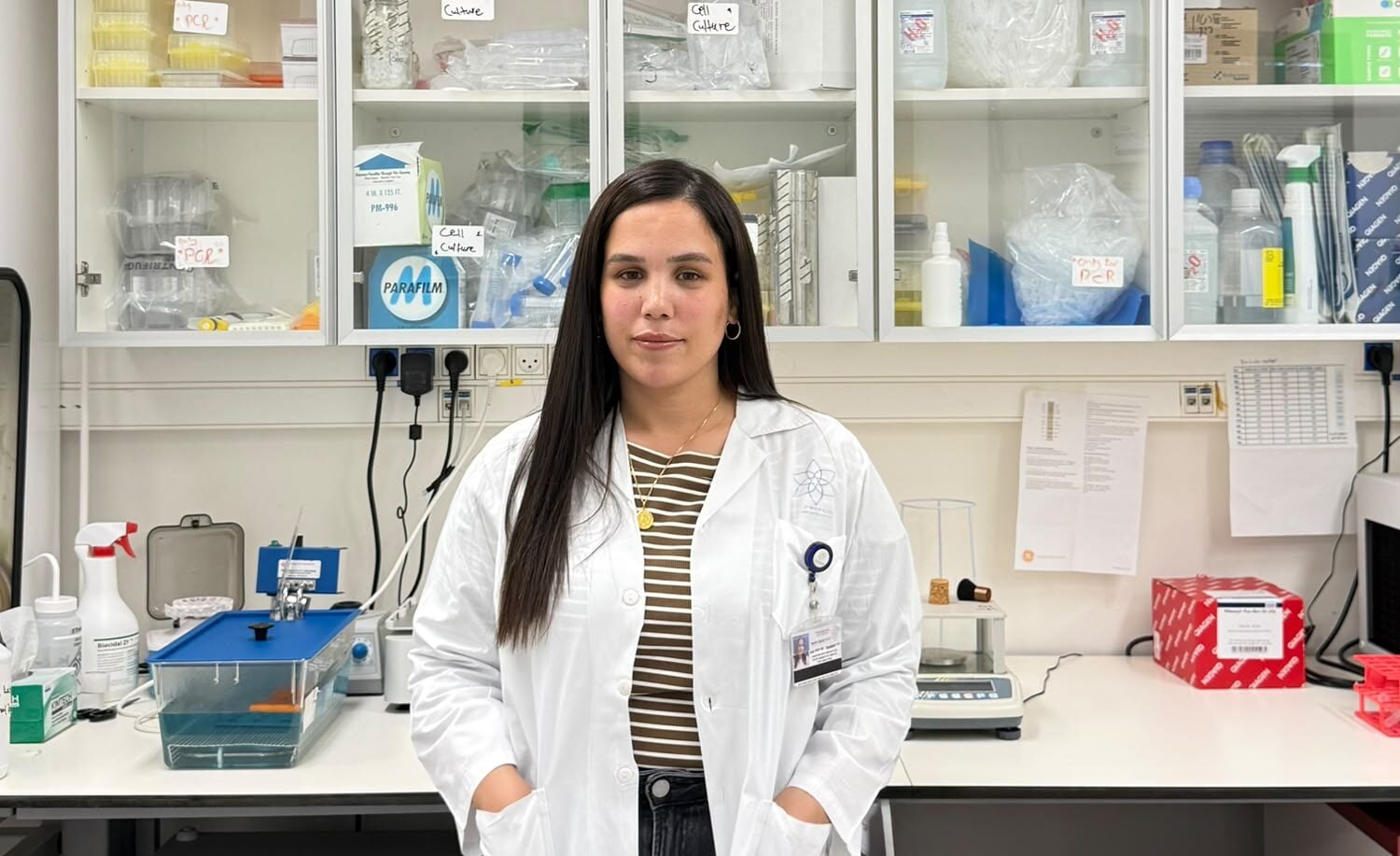
Scientists from Bar-Ilan University’s Azrieli Faculty of Medicine tested an experimental combination of three common, FDA-approved drugs on mice. Dr. Ron Piran led the study, and Wisal Sawaed served as the lead author.
The drug cocktail combined GABA, a neurotransmitter supporting beta-cell function and reducing inflammation; sitagliptin, a standard diabetes medication that helps regulate insulin; and omeprazole, a widely prescribed acid reflux inhibitor.
“A third of them were cured,” Sawaed told The Times of Israel, explaining that treated animals saw their blood glucose levels return to normal, required no further insulin, and remained diabetes-free for weeks after the treatment ended.
The researchers observed that the successful mice grew new insulin-producing cells primarily through the active replication of existing cells within the pancreas. However, the remaining two-thirds of the treated mice showed little or no response to the protocol.
To understand the split results, a team led by Dr. Shira Perez, head of the faculty’s genomic center, analyzed blood samples collected prior to treatment. They identified two cell-free RNA biomarkers, Adgrb1 and Chd5, that accurately distinguished the mice that recovered from those that did not.
“These RNA markers gave us a hint that animals with these specific markers were the ones that responded to the treatment,” Piran told The Times of Israel.
Piran said that the second author of the research paper, Ahmad Dallasheh, is currently investigating whether human patients share similar RNA signatures. The team plans to advance directly to human clinical trials because the three drugs are already commercially available and approved by the FDA.
Global diabetes statistics underline the urgency of refining diagnostics. Almost 600 million adults aged 20 to 79 live with diabetes worldwide, and that total is projected to reach 853 million by 2050. In Israel, approximately 548,000 individuals aged 18 and over had diabetes as of 2021, representing roughly 10 percent of the adult population according to the National Program for Quality Indicators in Community Healthcare.
Sawaed emphasized that LADA accounts for 9.1 percent of all global diabetes cases, noting that the condition is frequently overlooked because clinicians often assume adult patients presenting with high blood glucose over the age of 30 have Type 2 diabetes. She recommended that patients request a C-peptide test to secure an accurate diagnosis.
Worth a look

American Man Deported From Bali After Viral Kintamani Land Ad
An American man who went viral on social media for advertising a plot of land in Kintamani has...
Yale Study Reveals Which Anti-Aging Treatments Actually Reduce Biological Age
Yale scientists have identified specific prescription medications and lifestyle changes that can reduce biological age, according to a...

PM Modi, Rahul Gandhi Pay Tribute to Jawaharlal Nehru on His 137th Birth Anniversary
India's political leaders across the spectrum gathered on Saturday to commemorate the 137th birth anniversary of Jawaharlal Nehru,...
Scientists Discover Hidden Body Movement Map in Mouse Brains Using Optical Imaging
“Finding this map was unexpected,” said Elizabeth Hillman, PhD, St. Jude Department of Imaging Sciences chair. Scientists have...