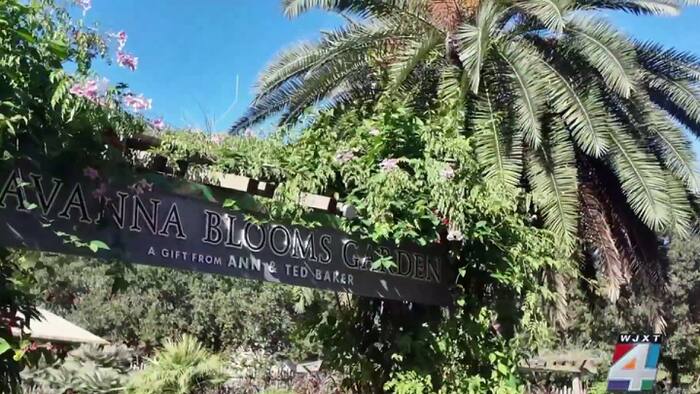
The botanical gardens at the Jacksonville Zoo and Botanical Gardens are not merely a scenic backdrop for the animals that live there; they function as a core, year-round operational effort requiring constant maintenance by a dedicated horticulture team, News4JAX reported.
That year-round dedication is driven by a simple reality. Thousands of plants, including rare varieties and species chosen to mimic natural environments, must be maintained daily across paths, greenhouses, and designated zones like Savannah Blooms, Trout River Garden, and the Asian gardens, while debris is cleared from walkways every morning before the gates open to the public.
The institution formally rebranded last year to elevate the profile of its plant life. “We’ve always been the Jacksonville Zoo and Gardens, but we rebranded last year the Jacksonville Zoo and Botanical Gardens,” said Curtis Dvorak, the zoo’s official Wildlife Wanderer. “We feel like just saying ‘and gardens’ is not quite giving it the emphasis that it needs, because our botanical gardens are world class.”
Transforming Grounds From Spooktacular to ZOOLights
Seasonal events require intricate logistical coordination between staff and outside contractors to protect delicate landscaping. During events like Spooktacular, decorations and lights are installed across the grounds after hours, with the horticulture team actively working alongside outside installers to limit damage to the plants.
#ilovejax 💙 Here's what our members are doing around Jacksonville! ⬇️✨ Riot Ten at DECCA LIVEGet ready for a high-energy night of dubstep as DJ Riot Ten takes over DECCA LIVE in downtown Jacksonville!📅 October 30, 10 PM📍 DECCA LIVE, 323 E Bay St.✨ SpooktacularGet… pic.twitter.com/7nVX02MfP3
When Spooktacular wraps up on Halloween, the property transitions into its winter holiday phase almost immediately.
“November 1st, the company we hired is now going to transform this and change over to ZOOLights,” Dvorak said.
Driving Conservation Through Visitor Revenue
Those large-scale seasonal attractions serve a direct financial purpose for the nonprofit facility. Revenue generated from admissions and events flows straight back into animal care, education programs, and active conservation efforts.

Visitors contributed to that mission by pushing attendance to about 880,000 during the fiscal year that ended October 1, moving closer to the zoo’s annual target of 1 million guests. That funding directly supports backstage operations, such as the rehabilitation of manatees currently housed on-site in the final stages of recovery before being released back into their native waters.
“The more revenue we can generate, the better we can take care of” the animals and support conservation and education projects, Dvorak said.
Related reading
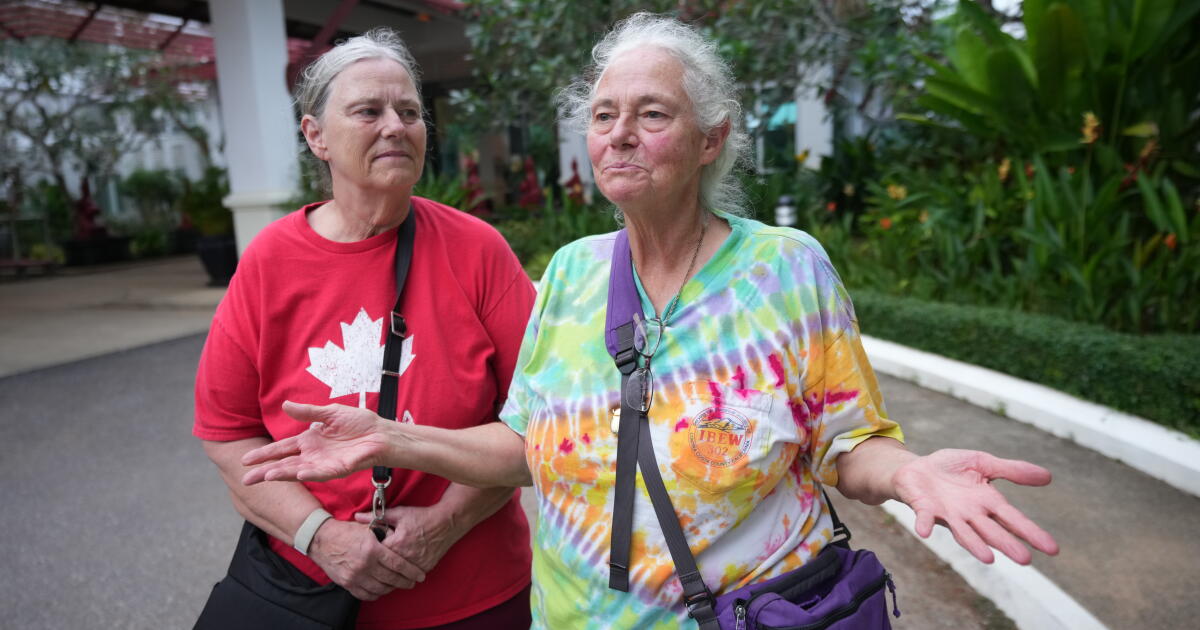
Villa Vie Odyssey Passengers Stranded in Cambodia After Cruise Suspends Operations
California Sisters Stranded in Cambodia After Residential Cruise Halts Operations Two California sisters and over 200 other passengers...

Week 8 Fantasy Football WR/CB Matchups to Target and Avoid
As the NFL season reaches Week 8, defensive coordinators have accumulated seven weeks of film on every receiver...
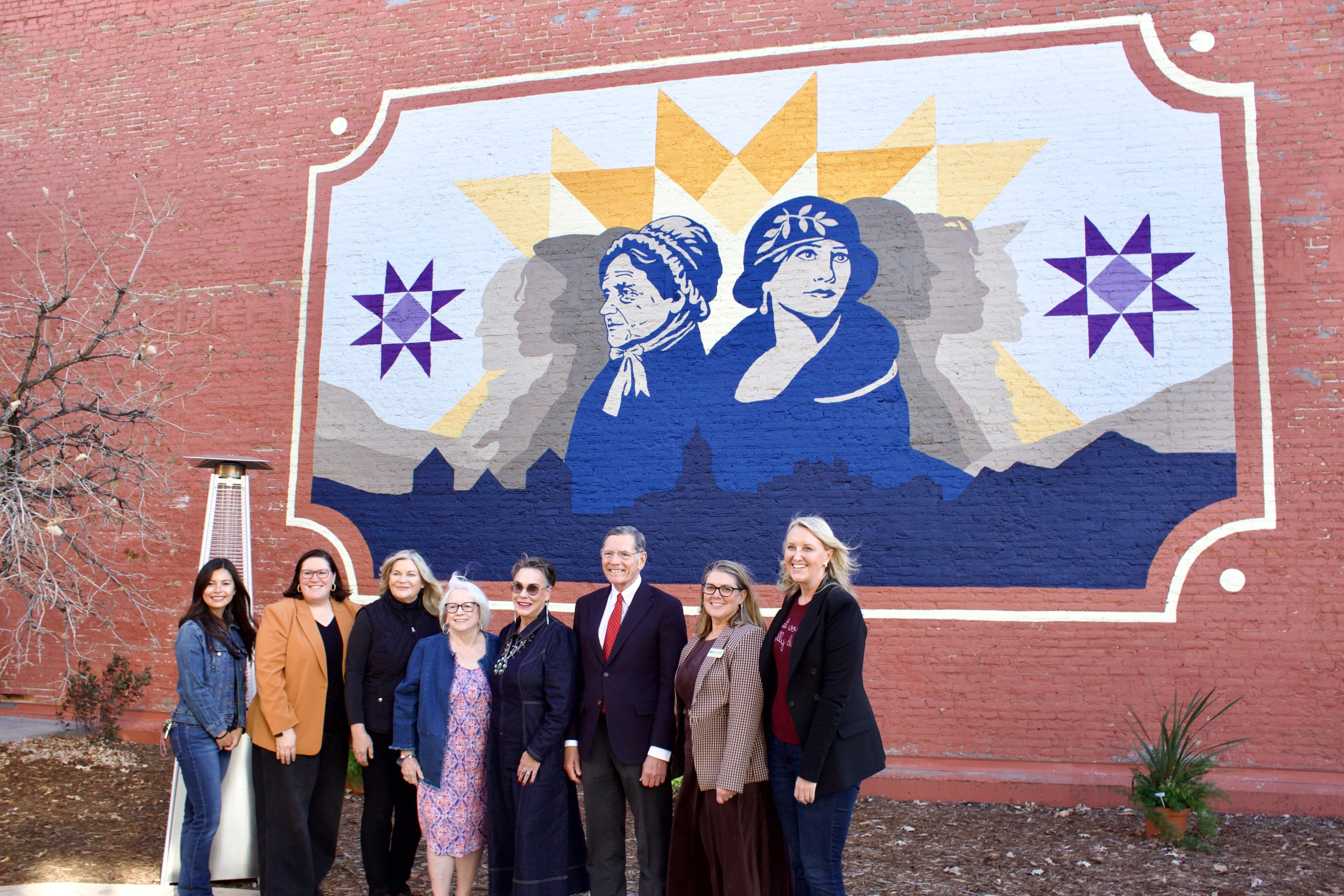
Wyoming Women’s History House Celebrates 25 Years With Courtyard Rededication
Twenty-Five Years of the Wyoming Women's History House in Laramie Twenty-five years ago, the Wyoming Women’s History House...

In-Person Absentee Voting Surges in Wisconsin as Mail-In Ballots Decline
As the final weekend before Election Day approaches in Wisconsin, voters are dramatically altering how they cast their...