
As the final weekend before Election Day approaches in Wisconsin, voters are dramatically altering how they cast their ballots. Statewide totals show a sharp shift away from the U.S. Postal Service and toward in-person early voting stations, driven by delivery delays and national legal battles over mail-in ballots.
A Major Surge at Early Voting Sites
Wisconsin Public Radio reported from Wisconsin Elections Commission data that statewide absentee ballot returns reached 693,334 by the Friday morning before Election Day—roughly 50,000 more votes than at the exact same point in the 2022 midterm elections. Yet the mechanics of how those votes arrived have completely transformed.
Mail-in ballots dropped by more than 20 percent, falling from roughly 384,000 in 2022 down to about 300,000 by October 30. Simultaneously, in-person absentee voting jumped by over 50 percent, climbing from approximately 259,000 four years ago to 394,000 in 2026.
In March, President Donald Trump issued an executive order directing the U.S. Postal Service not to transmit mail-in ballots unless individuals were enrolled on a specific state list. Although a federal judge blocked the proposed postal rule in September, subsequent appeals to the U.S. Supreme Court were rejected, leaving lingering confusion and anxiety among voters.
Clerks Warn of Postal Delays
Voters did not pull back from mailboxes by accident. Local election clerks across the state raised alarms earlier this year regarding chronic delivery sluggishness. In May, the Wisconsin Elections Commission sent a formal letter to U.S. Postmaster General David Steiner urging the postal service to take extraordinary measures to speed up deliveries after a state survey revealed that 67 percent of Wisconsin clerks had noticed significant mail problems.
For many local administrators, those delays had immediate consequences. The Fond du Lac County clerk reported receiving 100 absentee ballots too late to be counted following the April 7 election. Those missed deadlines, combined with warnings from officials to mail ballots at least two weeks before the November 3 election, pushed hundreds of thousands of residents to hand-deliver their votes directly to municipal clerks and early voting sites.
Shifts Across Urban and Suburban Counties
The pivot toward in-person voting appeared across the political map, reshaping turnout patterns in both Democratic strongholds and Republican-leaning suburbs.
In Milwaukee County, mail-in absentee ballots dropped by more than 25 percent compared to 2022, while in-person early voting surged by 45 percent. Dane County saw a similar trajectory, with mail-in ballots declining by over 30 percent and in-person voting climbing by nearly 50 percent.
Conservative-leaning counties experienced the exact same behavioral shift. Washington and Waukesha counties both recorded double-digit declines in mail-in returns. At the same time, Washington County’s in-person absentee votes spiked by about 75 percent, and Waukesha County saw a jump of more than 40 percent.
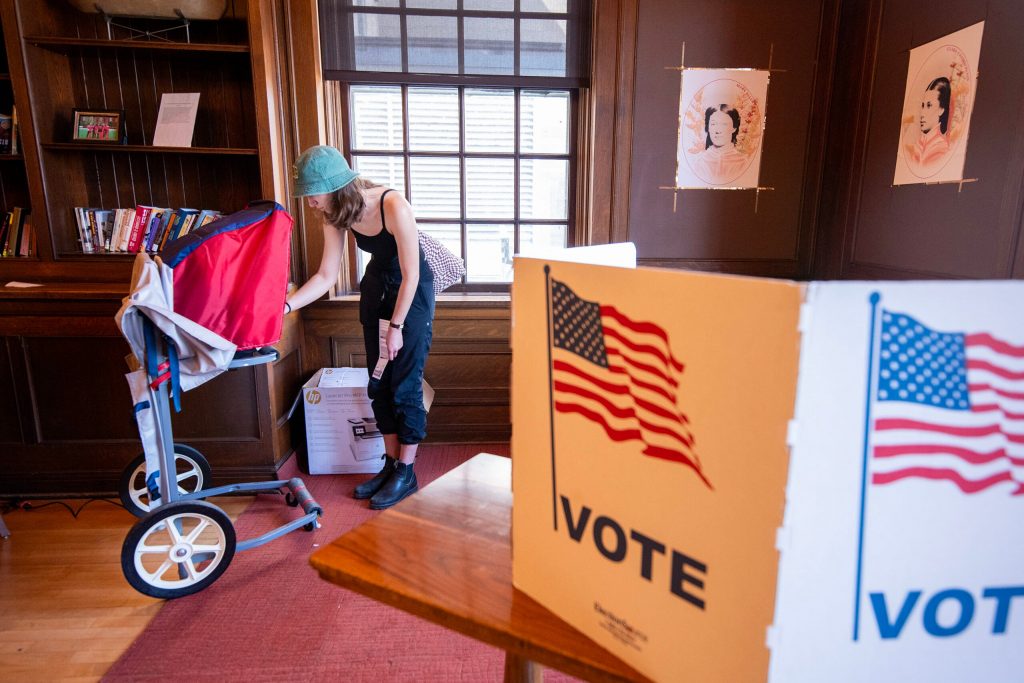
While some conservative commentators on social media initially pointed to the mail-in drop as a sign of waning enthusiasm in Democratic areas, local experts offered a different explanation. University of Wisconsin-Milwaukee emeritus political science professor Mordecai Lee told WPR that voters simply adapted to changing rules and delivery warnings.
“I think the Trump administration just shot itself in the foot with all these months of saying that it wanted the post office to be able to control who got to vote by mail,” Lee said.
Mordecai Lee
Lee added that the heightened activity reflects a hyper-engaged electorate. “We’ve got a very alert electorate — presumably mobilized partly because some of them love Trump and partly because some of them hate Trump, but they are mobilized — and they’re determined to make sure their vote counts.”

Rare Long-Tailed Jaeger Sighting at Wyoming’s East Allen Lake
The Arctic Seabird That Kept Wyoming Birders Waiting When an immature long-tailed jaeger touched down at East Allen...
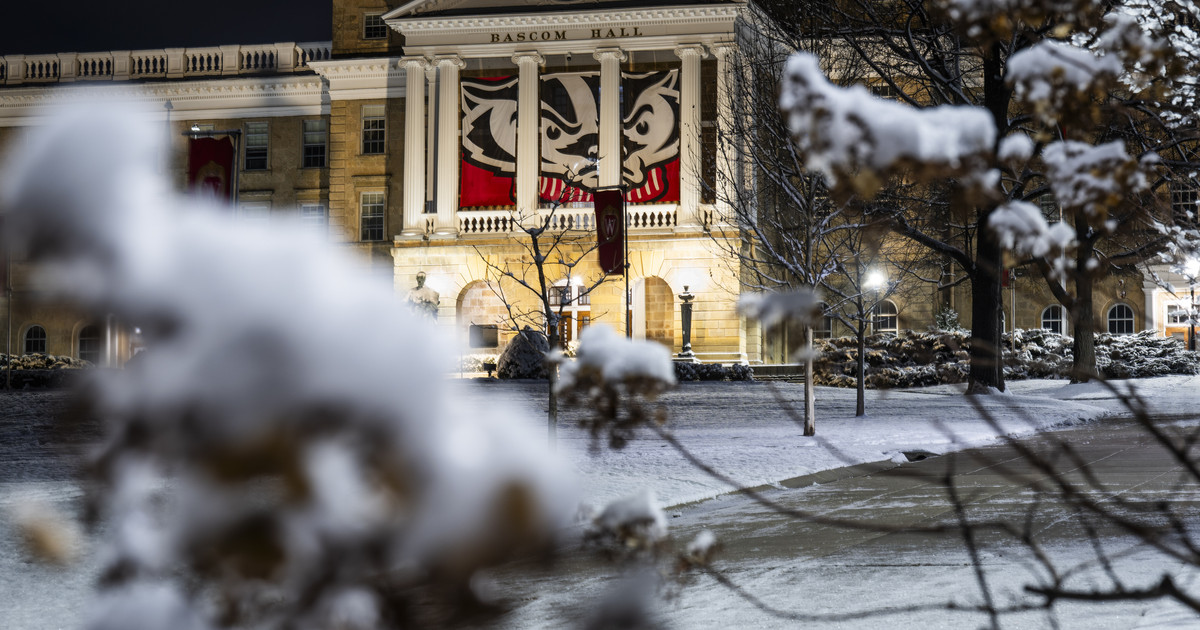
UW-Madison officials release winter weather and closure guidance
UW–Madison Sets Winter Storm Protocols as Unseasonably Warm Fall Fades As unseasonably warm fall temperatures give way to...
Nash Technologies Opens Charleston Hub, Expected to Add 30 Jobs
Logistics technology company Nash Technologies is expanding its operations in Charleston, South Carolina, a project expected to create...

Charming West Olympia One Bedroom Loft with All Utilities Included
A new rental listing on the west side of Olympia, Washington, offers a one-bedroom loft in a duplex...