
Nearly half of U.S. adults and one in five children now meet the medical definition of obesity, a JAMA report published Nov. 17 concludes, arguing that new medications alone cannot reverse the epidemic without sweeping changes to food policy, insurance coverage and clinical stigma.
- A JAMA summit of 53 experts proposed 10 solutions spanning food subsidies, insurance reform, childhood prevention and stigma reduction.
- More than 50% of patients seen at a major weight-control center lack medication coverage unless they have complications, a co-author said.
- The report calls for coordinated action across government, industry, health systems and communities to make strategies “sustainable” and “durable.”
Summit maps a multisector response
The JAMA Summit on Obesity convened in May 2026, drawing patients, clinicians, scientists, economists, policy experts and representatives from government, food, wellness and pharmaceutical industries, Medscape reported. First author Anne R. Cappola, MD, professor of medicine at the Perelman School of Medicine at the University of Pennsylvania, presented the resulting 10-point framework at ObesityWeek 2026 in National Harbor, Md.
“No single intervention will be enough, and medical therapy alone cannot address the root causes of the obesity epidemic,” the authors wrote in the report, published in JAMA. They described existing efforts — including school meal policies and nutrition standards for programs such as WIC and SNAP — as “inadequate” in bringing meaningful change, noting implementation “varies considerably across the US.”
Access barriers dominate clinical reality
Co-author Louis Aronne, MD, director of the Comprehensive Weight Control Center at Weill Cornell Medicine, said coverage gaps drive high discontinuation rates for antiobesity drugs. “More than 50% of the patients we see don’t get the medication coverage unless they have complications,” he told the summit session.
“In taking care of people with obesity, the big issue that we face every day is coverage for the treatment,” Aronne said.
Childhood prevention avoids medicalization
“I don’t think anyone [is] interested in medicalizing this for children, so [the challenge is], what can we do to strengthen childhood obesity prevention?” Cappola said. The report cites improved school nutrition standards and restrictions on marketing unhealthy foods to children as priorities.
Report names 10 solutions across sectors
They include improving the food environment through federal agricultural subsidy reform, stronger food labeling and support for community programs; enhancing physical activity and built environments via school programs and walkable communities; and improving communication to combat misinformation, as reported by Medscape.
Additional solutions address health equity and socioeconomic barriers through policy initiatives for underserved communities and federal investment in WIC, SNAP and Medicaid; modernizing obesity care delivery with insurance reform that reimburses interdisciplinary programs; and strengthening childhood obesity prevention through improved school nutrition standards and restrictions on marketing unhealthy foods to children, Medscape reported.
Authors call for coordinated, durable action
They argue that potential solutions require a coordinated, multisector response involving government, industry, health systems and communities, the report states.
“I think that’s really powerful,” Jakicic said. He also said that the American Medical Association is putting its stake in the ground to say obesity is something the nation needs to deal with, which helps change the game for patient care, according to KU Medical Center.
Next steps hinge on funding and coordination
The authors underline that proposed strategies — from federal agricultural subsidy reform to interdisciplinary insurance reimbursement — “must also be sustainable, workable within the realities of people’s daily lives, and durable within the healthcare and payment systems.”

Passenger Arrested for Punching, Attempted Strangling on Abu Dhabi-Kochi IndiGo Flight
A passenger was arrested in Kochi on Wednesday following a mid-air assault on an IndiGo flight from Abu...

Omega and Swatch Announce Snow-Dependent Silver Snowflake MoonSwatch for Nov 27 Sale
Omega and Swatch announced the Mission to Earthphase – Silver Snowflake on Wednesday.
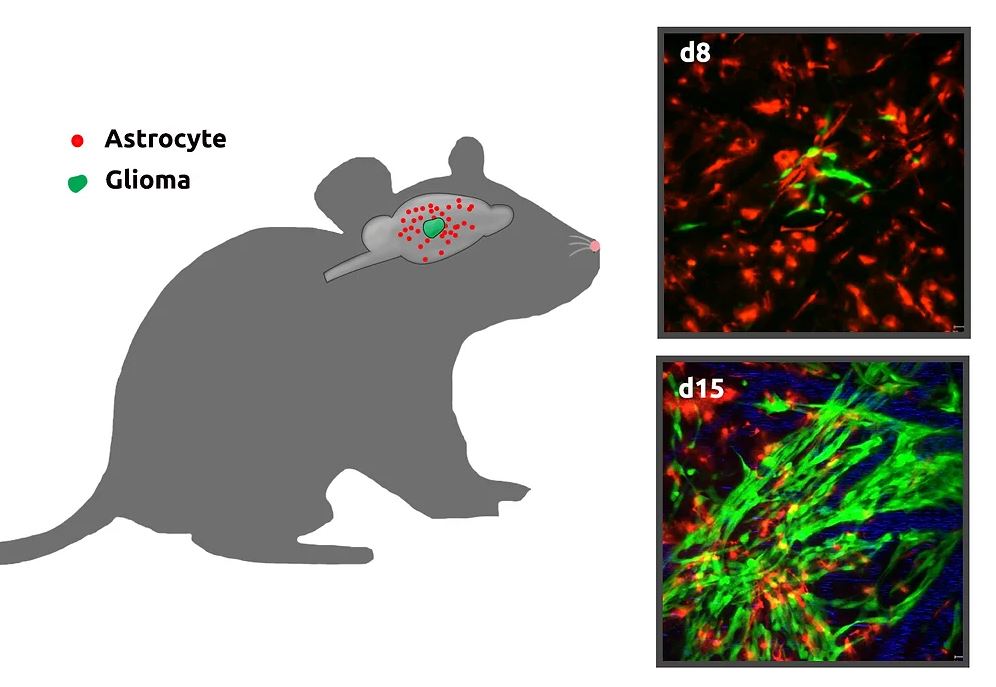
Stroke Repair Process May Drive Glioma Growth in Mice, Study Finds
"When we activated this calcium activity, tumor cells were actually suppressed," said Hyun Kyoung Lee, associate professor of...

Indonesia Stops Two Citizens at Airport Over Suspected Russian Military Recruitment
Immigration officers at Juanda International Airport in Surabaya stopped two Indonesian citizens on Nov. 18 after discovering they...