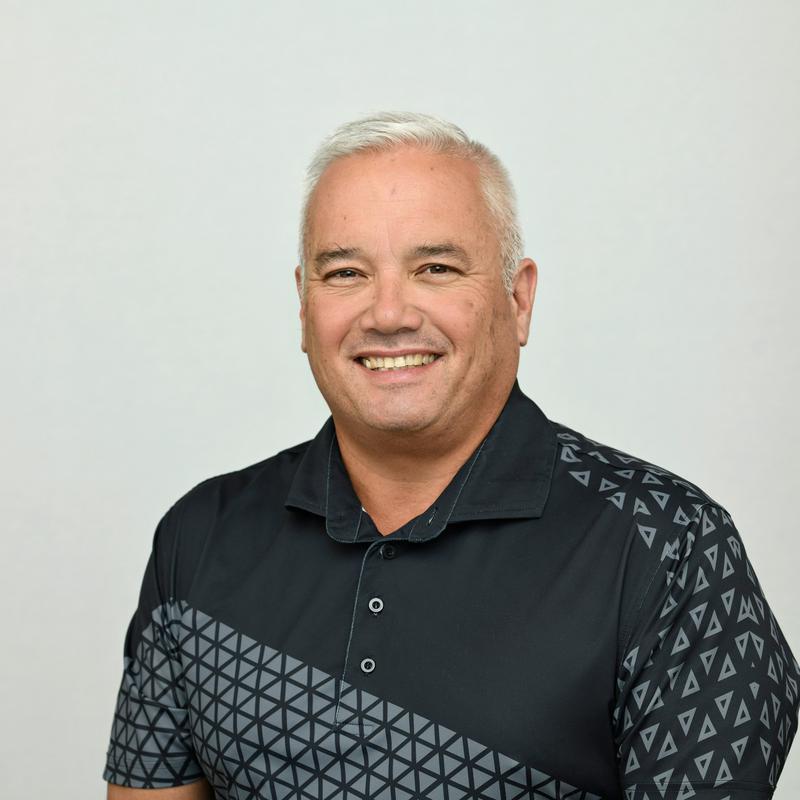
Hawaii State Representative Jamie Wataru maintains a legislative presence in the Hawaii House of Representatives.
While specific recent legislative actions or policy shifts are not detailed in current biographical snapshots, Wataru’s role remains centered on representing his constituents within the state’s governing body. Legislative profiles for officials like Wataru often serve as the primary roadmap for voters attempting to track service history, educational background, and professional ties.
According to biographical data provided by LegiStorm, Wataru’s professional and personal details—including gender, hometown, and place of residence—are maintained within their specialized databases for tracking elected officials. This level of biographical tracking is a standard component of civic transparency, allowing the public to verify the background of those holding state-level power.
The utility of such data extends beyond simple identification. For constituents in Hawaii, understanding a representative’s educational history and previous office holdings is essential for evaluating their preparedness for complex policy debates involving state budgets, land use, and local infrastructure.
LegiStorm reports that detailed information regarding Wataru’s education history and specific legislative office history is available to subscribers of their professional services. This includes a comprehensive look at college degrees and previous activities that shape a legislator’s perspective when drafting or voting on state law.
Accessing these records is often the first step for political analysts and community organizers looking to understand the political lineage of a specific district. By reviewing an official’s office history, observers can identify patterns in legislative priorities or shifts in political alignment over time.
For those following Wataru’s career through digital platforms, his presence extends to social networking sites, including Instagram and Threads, which are increasingly used by modern legislators to communicate directly with their base and bypass traditional media gatekeepers.
Related reading

Seattle University Redhawks Men’s Basketball Game Play-by-Play Highlights
Cal State Fullerton’s men’s basketball team faced Lincoln University on Thursday in a high-intensity matchup that saw multiple...

No. 7 Louisville Beats Ball State 94-73 Led by Imari Berry’s 22 Points
No. 7 Louisville defeated Ball State 94-73 in Muncie on Thursday to extend their perfect start to the...

Seven Arrested After Illegal Car Meet Disrupts Jacksonville Streets
Seven people faced arrest and 17 traffic citations were issued following an unpermitted car meet that drew approximately...

Remembrance Tree Lighting Honors Loved Ones in Greenwich
For hundreds of families in Greenwich, the holiday season begins not with a shopping list, but with a...