Inside the University of Alaska Anchorage Science Building on a Saturday in November, a tactical radar dish and a bomb suit bracketed a pair of Air Force tables where children lined up to talk to satellites and inspect inert ordnance.
Joint Base Elmendorf-Richardson Airmen staffed the exhibits during UAA’s STEM Day on Nov. 7, part of a broader effort to connect military technical specialties with the surrounding community, JBER reported. The base sits in a state with one of the highest per-capita concentrations of military personnel in the nation, yet daily active-duty life often remains behind the gate.
“I think community relations is really important,” said Staff Sgt. Sheldon Brown, 673d Communications Squadron. “Whenever we integrate with them, we get to build these relationships. Events like these give us a chance to show them some cool stuff and give them some insight on some things that they may not know.”
Beside Brown, Senior Airman Cameron Farina and Airman 1st Class Alexander Rivera handed a heavy black radio to a young girl and pointed skyward, explaining how their team uses tactical satellite networks to reach fighter jets miles overhead. “Cool!” she said, leaning in to key the handset.
At the next table, Staff Sgt. Kanoa Gallegos, 673d Explosive Ordnance Disposal, walked a row of boys through inert munitions and the robotics used to render them safe. “I wasn’t a fan of how teachers explained information, and wasn’t a great student,” Gallegos said.
“The love of learning was always there, but the avenue was not. Moving into my career in EOD, I found that happy balance of learning theory and concepts, mixed with the practical applications of what I was learning about.”
Modern defense runs on technical literacy — cyber, aerospace, communications, engineering — and the service treats early exposure as a long-term readiness investment. By placing uniformed technicians beside university exhibits, the event also reframes the uniform: neighbors and mentors rather than a distant institution.
The radar dish was packed up, the radios stowed, and the robot powered down by afternoon. Children left into the Anchorage cold with coat-carrying parents, pockets full of giveaways, and a clearer picture of what science can build.

Augusta University Honors Veterans; Military-Affiliated Enrollment Reaches 1,898
Augusta University honored its military community on Veterans Day with a pin ceremony and armed forces salute at...

Tulane Heads to Ruston Thursday Trying to Stop Two-Game Slide
Tulane heads to Ruston Thursday night trying to stop a two-game slide against a Louisiana Tech team that...

Kentucky Women’s Golf Signs Alabama’s Top-Ranked Junior Anna Christian Beeker
Kentucky women's golf secured its second major commitment for the Class of 2027 on Wednesday when Alabama's top-ranked...
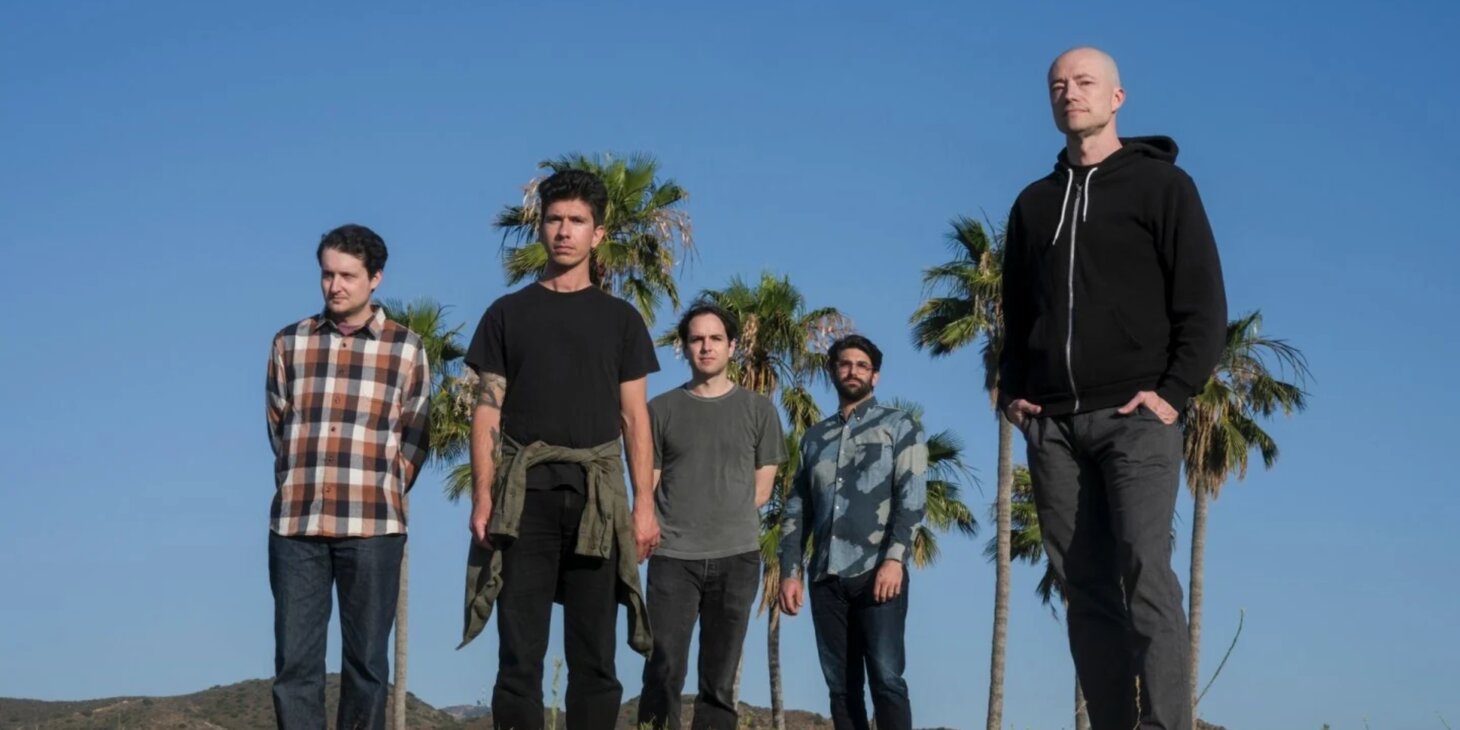
Touché Amoré Announce 2027 Indianapolis Headlining Show at Turntable
Los Angeles post-hardcore band Touché Amoré will perform at Turntable in Indianapolis on April 21, 2027, as part...