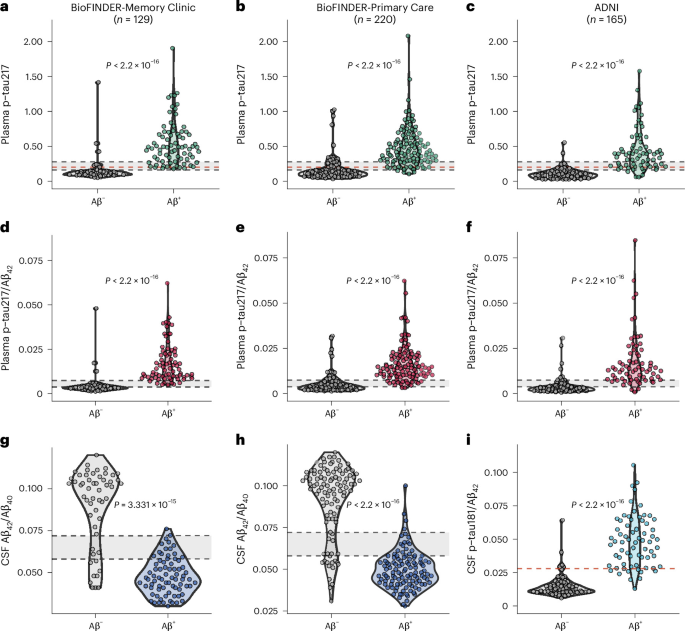
A Mayo Clinic study published Nov. 16 in JAMA Neurology shows that a blood measure of phosphorylated tau 217, combined with age, sex, and APOE ε4 status, can estimate a cognitively healthy older adult’s five- and 10-year risk of developing mild cognitive impairment or dementia.
The model translates a plasma p‑tau217 value into an absolute probability over a set time frame — a number a patient and clinician can discuss — rather than reporting only whether the test is positive or negative for amyloid pathology. Researchers analyzed 1,644 participants from the Mayo Clinic Study of Aging and 534 from the Alzheimer’s Disease Neuroimaging Initiative, all ages 60 to 90, with repeated cognitive assessments.
“The goal is to provide a personalized estimate of the risk of developing cognitive impairment that is more meaningful than simply reporting whether a blood test is positive or negative for amyloid pathology,” said Alicia Algeciras‑Schimnich, Ph.D., a Mayo Clinic laboratory medicine and pathology researcher and the study’s first author.
What the risk numbers look like
For a 75‑year‑old woman who lacks the APOE ε4 variant, the projected five‑year risk of mild cognitive impairment was roughly 5% with a relatively low p‑tau217 level and 16% with a higher level; her 10‑year risk climbed from 12% to 35%. Age had an even larger effect: at the same elevated p‑tau217 level, a 65‑year‑old faced a 6% five‑year risk, while an 85‑year‑old faced 37%.

“Absolute risk gives the biomarker result clinical context,” said senior author Clifford Jack Jr., M.D., a Mayo Clinic neuroradiologist. “If preventive treatments become available, this kind of information could help patients and clinicians have more informed conversations about the potential benefits and risks of treatment.”
Test Not Ready for Routine Screening
Despite the predictive signal, the researchers emphasized that the model is not ready for clinical use in asymptomatic people. The risk estimates were derived from the Mayo Clinic Study of Aging, which draws participants from southeast Minnesota — a population that “is not representative of the entire United States,” Jack told Fox News Digital. The findings need replication in more diverse cohorts and with other p‑tau217 assays.
More critically, no disease‑modifying therapy is currently approved for people who have Alzheimer’s‑related brain pathology but no cognitive symptoms. “There is no treatment that’s been approved for people who are [asymptomatic] but have the disease in the brain,” Jack said. “Therefore, there’s no reason to do the test. … The results of the test would not change your medical management at all since there’s no treatment available.”
Where this fits in the prevention pipeline
The approach builds on earlier Mayo work that used amyloid PET scans to predict cognitive decline. A blood biomarker is “less invasive and potentially more scalable” than imaging, the authors noted. Ongoing prevention trials — AHEAD 3‑45 and TRAILBLAZER‑ALZ 3 — are testing amyloid‑targeting therapies in preclinical stages and already use blood biomarkers to help identify participants.
A blood biomarker for Alzheimer's disease may help estimate a cognitively healthy person's risk of developing mild cognitive impairment or dementia over the next five or 10 years, according to a new Mayo Clinic study. Learn more: https://t.co/px8SNAsJCW pic.twitter.com/AeIAxqGLEQ
“If preventive therapies prove effective, those numbers could become very important in treatment decisions,” said Ronald Petersen, M.D., Ph.D., a Mayo Clinic neurologist who directs the Mayo Clinic Study of Aging.
For now, the study provides a framework for how absolute risk estimates might eventually guide conversations — if and when preventive treatments arrive. The researchers also cautioned that even a high risk estimate does not mean impairment is inevitable, and a low estimate does not rule it out; some people with brain pathology die of other causes before symptoms appear.
Study design and statistical approach
The study, titled Absolute Risk of Progression to Cognitive Impairment Based on Plasma Phosphorylated Tau 217, Age, Sex, and APOE ε4, was published in JAMA Neurology in 2026 with DOI 10.1001/jamaneurol.2026.4292. The first author is Alicia Algeciras-Schimnich, and the senior author is Clifford Jack Jr. The researchers developed risk estimates using data from 1,644 cognitively unimpaired participants in the Mayo Clinic Study of Aging, a long-running population-based study based in Olmsted County, Minnesota.

They then confirmed the association between higher p-tau217 levels and greater risk of cognitive decline in an independent sample of 534 participants from the Alzheimer’s Disease Neuroimaging Initiative (ADNI). All participants were ages 60 to 90 and had plasma p-tau217 measurements, APOE genotyping, and repeated cognitive assessments over time.
The statistical analysis used bootstrap hypothesis testing with 2,000 resamples to calculate two-sided P values, with results corrected for multiple comparisons. Significance was assessed at Padj < 0.05. Across various analyses the study reported a range of P values and adjusted P values, including 0.010 (Padj = 0.07), 0.016 (Padj = 0.07), 0.034 (Padj = 0.12), 0.027 (Padj = 0.12), 0.016 (Padj = 0.024), 0.002 (Padj = 0.006), 0.009 (Padj = 0.041), 0.004 (Padj = 0.036), 0.007 (Padj = 0.054), 0.013 (Padj = 0.054), 0.018 (Padj = 0.05), 0.029 (Padj = 0.075), <0.001 (Padj < 0.001), 0.027 (Padj = 0.041), and 0.036 (Padj = 0.24).
Limitations and clinical context
The researchers explicitly said that Alzheimer’s biomarker testing is not currently recommended for people without cognitive symptoms. The risk model is observational and does not establish that routine blood testing prevents dementia or improves clinical outcomes.
The estimates were developed in a single, geographically defined cohort and require validation in more racially, ethnically, and geographically diverse populations. The model also needs evaluation with other commercially available p-tau217 assays, as performance may vary across platforms. The study did not test any intervention or demonstrate that lowering p-tau217 prevents cognitive decline.

Clifford Jack Jr. said that many older adults with lower levels of Alzheimer’s-related pathology may never develop symptoms in their lifetime, and some individuals with such pathology may die of other causes before cognitive impairment manifests.
Ronald Petersen emphasized that a person may want to know their personalized risk of developing cognitive impairment in the next five or 10 years and how the blood test modifies that risk, but such information currently lacks a therapeutic context for asymptomatic individuals.
Individuals concerned about cognitive health or interested in risk assessment should consult a qualified healthcare professional, such as a neurologist or primary care physician, who can evaluate personal medical history, discuss the current evidence, and determine appropriate next steps based on individual circumstances.

Hallgrimsson: Ireland Became Stronger After ‘Strange Campaign
Republic of Ireland secured a 3-0 Nations League victory over 10-man Kosovo on Tuesday night in Dublin, booking...

TSN: McDavid on 200-Point Pace as Oilers Lead NHL Standings
Connor McDavid has registered a point in all 23 Edmonton Oilers games this season, totaling 55 points as...
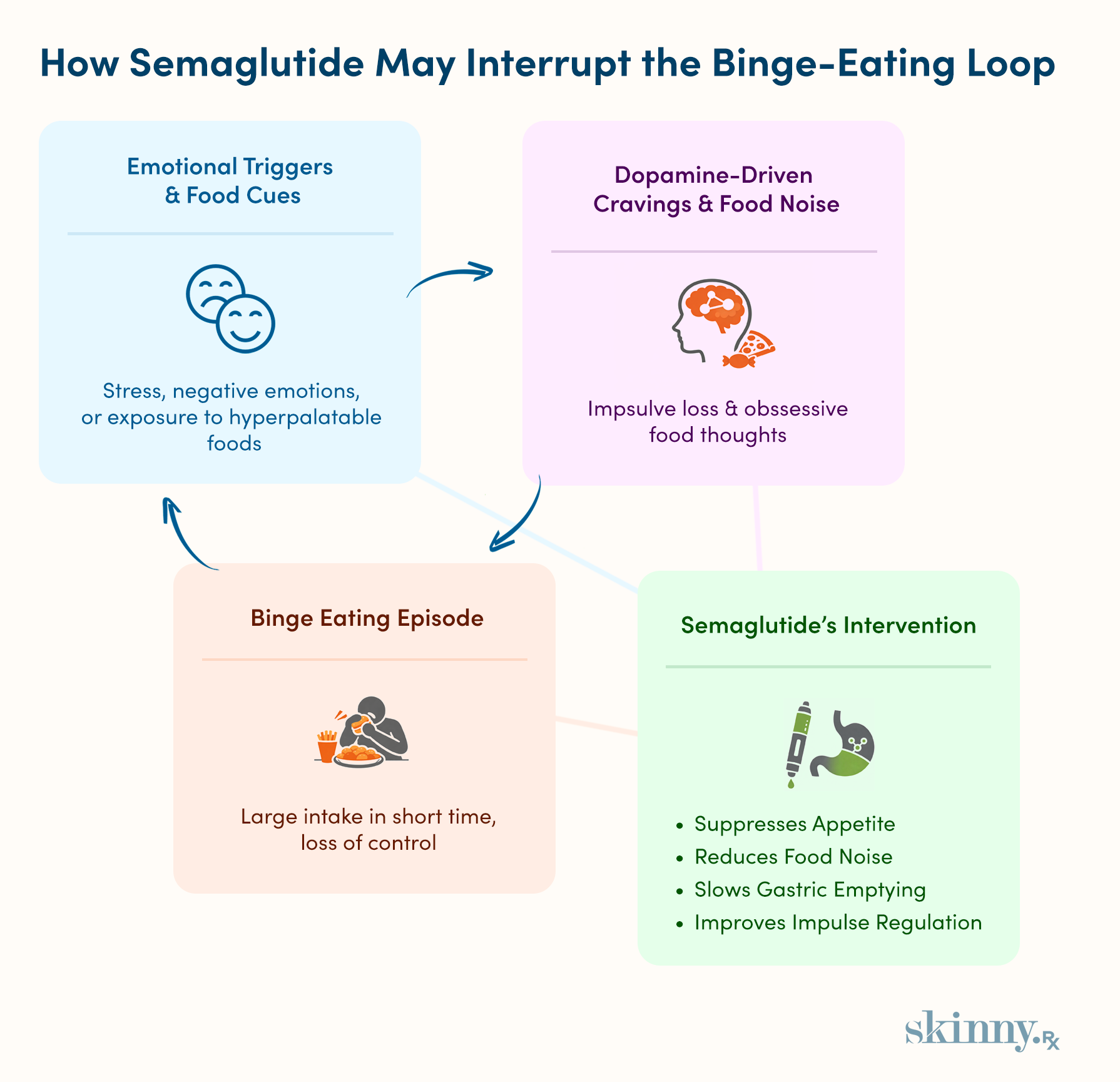
Jena Tronieri Says Semaglutide Reduces Binge Eating, Study Finds
Our findings suggest that semaglutide not only supports weight loss but may also improve several measures of eating...

Hugo Lloris Hails Harry Kane After 2026 Ballon d’Or Win
Harry Kane’s coronation as the 2026 Men’s Ballon d’Or winner has drawn significant praise from his former Tottenham...