
Jessie Thompson, a 2015 graduate of the University of Richmond, has spent her career translating the influence of her own youth coaches into a structured pipeline for the next generation of hockey players.
Currently serving as the director of youth hockey development for the NHL’s Washington Capitals, Thompson manages more than 30 programs aimed at lowering the barriers to entry for families across the Washington, D.C. area.
Her path to the professional front office began in a leadership studies classroom during her junior year at Richmond.
When asked by a professor to identify three role models outside of her family, Thompson did not hesitate to list the coaches who had guided her through years of lacrosse, hockey, and figure skating. “That’s when I realized I wanted to work in sports,” Thompson said in an interview with Magazine.
Thompson’s transition from the field to the boardroom was deliberate. A fifth-generation legacy Spider, she played club lacrosse for all four years of her undergraduate career. Following her time at Richmond, she pursued a master’s degree in sports management from Georgetown University. Her internship with the Washington Capitals during that graduate program served as the foundation for her current role with the franchise.
The stakes for these youth programs extend beyond simple participation numbers. In the United States, the cost of equipment and ice time has historically created an economic barrier for many households.
The USA Hockey governing body has long grappled with these accessibility challenges, as inflation in youth sports often forces families to choose between sports based on household income levels. Thompson’s work focuses on mitigating these disparities through targeted outreach.
In 2021, Thompson expanded her reach by launching ALL CAPS ALL HER, an initiative specifically designed to increase the participation of girls and women in hockey. The program has seen significant growth in its first few years, with more than 5,000 participants picking up a hockey stick since its inception. This effort was recognized in 2024 when the program received the NHL’s Stanley Award for Social Impact and Growth.
“Jessie, thank you for making my dreams come true,” wrote six-year-old Macy, one of the first participants in the initiative.
The handwritten note from Macy now hangs in Thompson’s office, serving as a daily reminder of the program’s intent.
While critics of professional sports organizations sometimes argue that youth outreach is merely a marketing tactic to secure future ticket buyers, the National Hockey League has increasingly emphasized these social impact awards to validate community investment. For Thompson, the metric of success is not just institutional growth, but the individual realization of belonging.
Youth sports management is highly competitive, often requiring both athletic experience and corporate administrative skill. Thompson’s career trajectory highlights how academic preparation in leadership and sports management can be applied to create tangible community outcomes. As she continues to oversee her programs, her goal remains focused on the same simple principle that drove her to list her own coaches years ago: ensuring that every participant knows they matter.
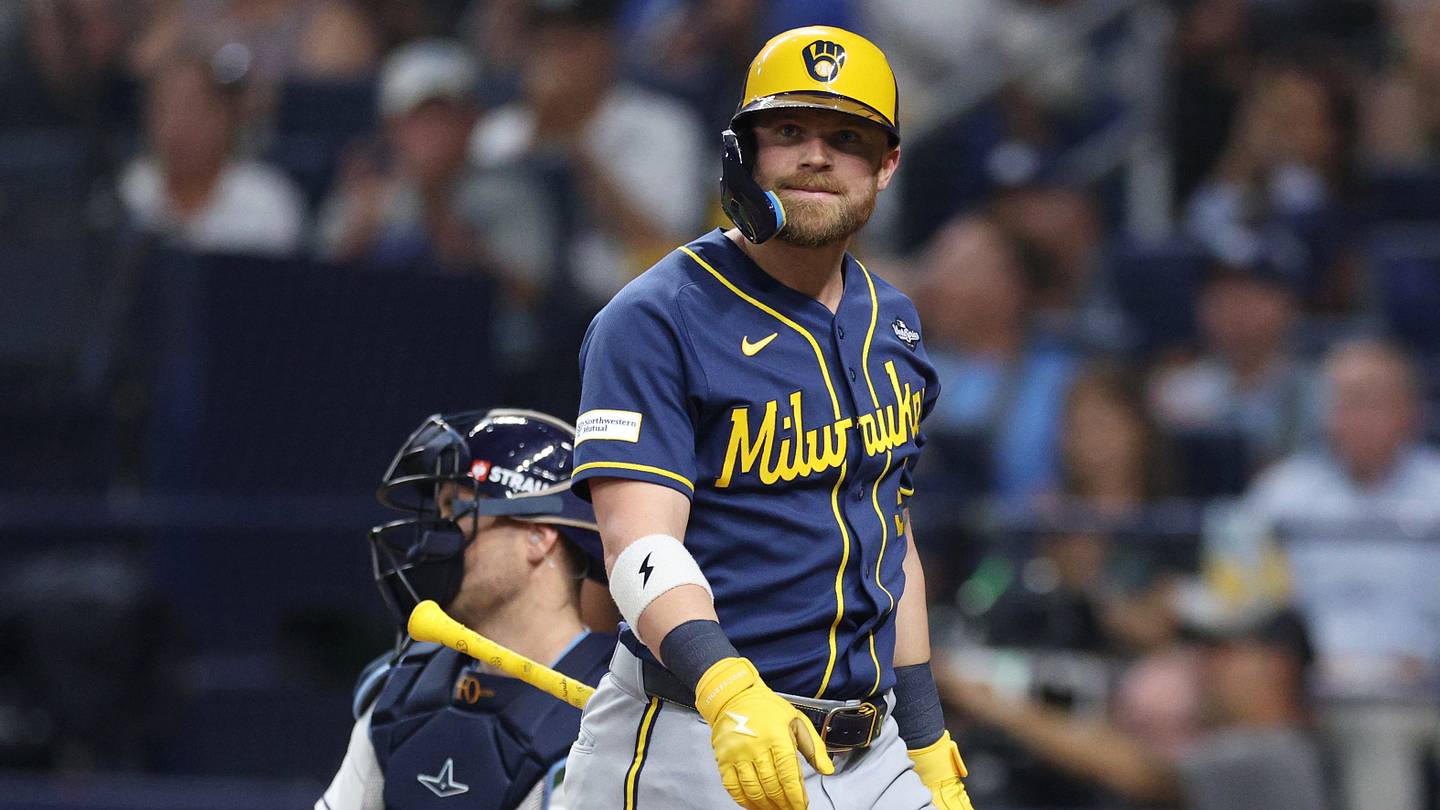
Paul Hembekides Projects Bauers to Join Diamondbacks for $54M
The Milwaukee Brewers are facing a cold reality this offseason: one of their most impactful contributors from a...

Texas Tech Defeats WVU 53-48 in High-Scoring Shootout
The West Virginia Mountaineers fell to Texas Tech in a 53-48 shootout on Friday night, a loss defined...

Utah Beats BYU 28-20 to Remain Undefeated and Control Big 12
The win, reported by Deseret News, keeps the Utes undefeated at 9-0 and firmly in control of the...

No. 16 Tennessee Defense Shuts Down No. 8 Kentucky 34-6
Tennessee’s defense dismantled Kentucky in a 34-6 victory on Saturday night, a result that keeps the Volunteers firmly...