
In a recent column for SiouxFalls.Business, Jodi Schwan argues that the visible anger displayed by citizens at local intersections and public meetings reflects a deeper, widespread anxiety regarding concentrated power and the rising cost of living.
Schwan points to an incident at the intersection of 41st Street and Louise Avenue in Sioux Falls, where she observed a man gesturing aggressively at passing traffic, as a physical manifestation of the frustration that also surfaced during last week’s elections.
Schwan notes that this sentiment is not isolated to one individual. She reports that local City Council and County Commission meetings have seen similar displays of volatility, suggesting that voters are increasingly fearful of two specific forces: the concentration of authority and the escalating prices for basic necessities.
The column highlights data from recent polls to contextualize the current political mood. According to an Associated Press voter poll cited by Schwan, roughly six in 10 voters disapproved of President Donald Trump’s job performance, while nearly seven in 10 expressed a desire for Congress to provide more checks and balances on the presidency. An NBC News exit poll indicated that 90 percent of voters viewed government corruption as a major factor in their decision-making for Congress.
Schwan observes that this distrust extends to private industry, particularly regarding the development of data centers. She argues that the opposition to these projects is often directed at the immense influence of the tech companies involved rather than the infrastructure itself. She encourages leaders to prioritize transparency and emotional intelligence to address these perceptions.
The financial strain on households remains a primary concern for the electorate. Schwan cites the NBC News poll, which found that 89 percent of respondents identified the cost of living as a major factor in their vote. She points to persistent inflation, mortgage rates, and rising gas prices as ongoing challenges, with additional concerns regarding anticipated increases in health insurance premiums for the coming year.
“It is likely that members of your workforce are feeling economic stress at a level they might not have encountered in a long time,” Schwan writes. “They might be feeling it every time they fill up the tank or get groceries.”
Schwan suggests that businesses must recognize these pressures, as employees are essentially “voting” with their loyalty and contributions to the workplace. She argues that leaders who acknowledge these collective challenges and provide a clear vision for the future are better positioned to retain talent and maintain morale.
Beyond national and local politics, Schwan emphasizes the role of individual responsibility in addressing societal gaps. She highlights upcoming educational initiatives in Sioux Falls, including a new junior kindergarten program and efforts to improve college advising, as necessary steps to support the community. She notes that in some Sioux Falls high schools, fewer than half of graduates currently pursue postsecondary education.
Schwan warns against the emergence of a “K-shaped society,” where opportunities and power remain concentrated among a select few while others feel increasingly disenfranchised.
She calls for a more proactive approach to personal and community development, suggesting that teaching new skills and engaging in local needs can help mitigate these trends.
“I don’t know what drove him there on Saturday with his frustration on full display,” Schwan writes regarding the man at the intersection. “But while he stood alone, I think last week’s events prove he exists in anything but isolation.”
Worth a look
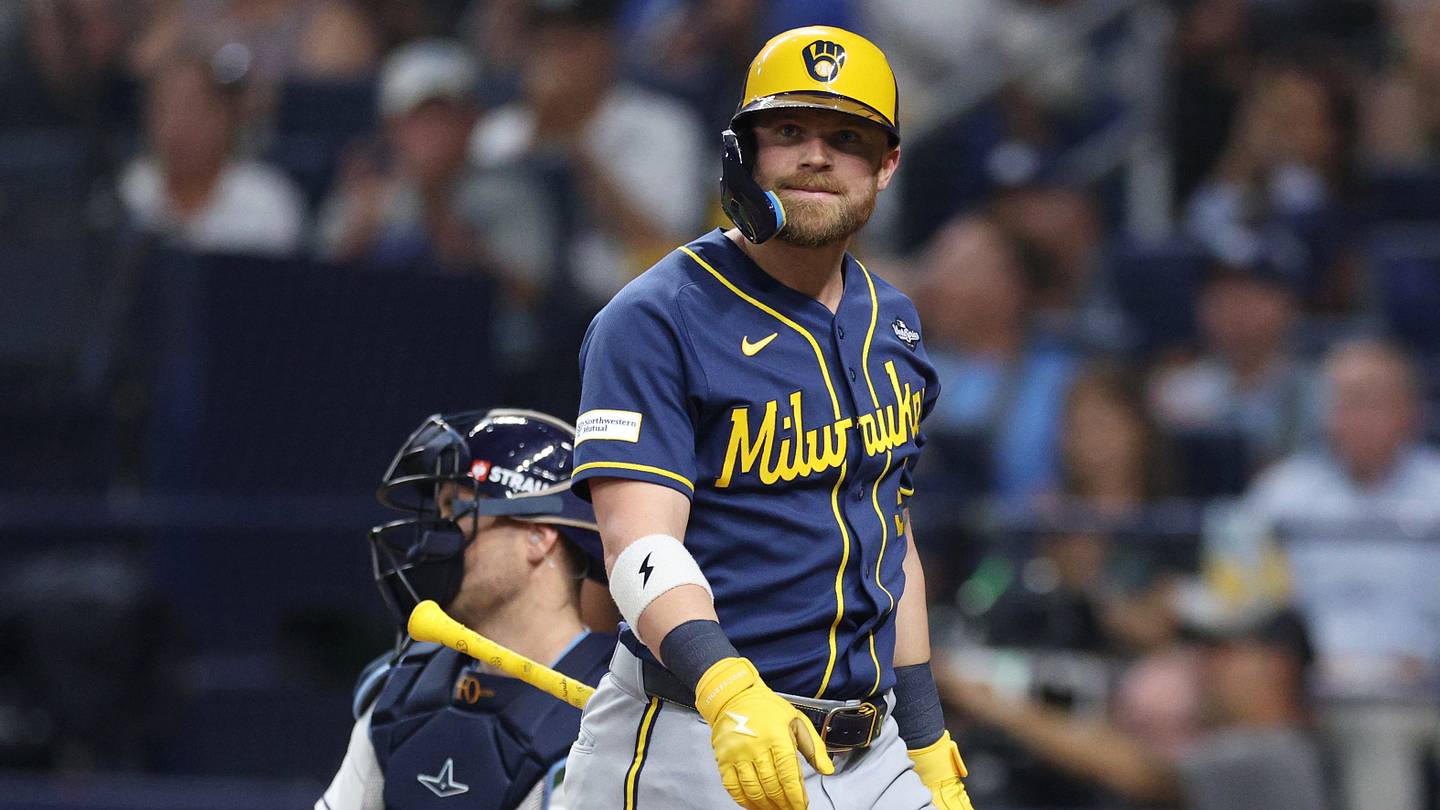
Paul Hembekides Projects Bauers to Join Diamondbacks for $54M
The Milwaukee Brewers are facing a cold reality this offseason: one of their most impactful contributors from a...

Texas Tech Defeats WVU 53-48 in High-Scoring Shootout
The West Virginia Mountaineers fell to Texas Tech in a 53-48 shootout on Friday night, a loss defined...

Jessie Thompson Drives Youth Hockey Growth With Washington Capitals
Jessie Thompson, a 2015 graduate of the University of Richmond, has spent her career translating the influence of...

Utah Beats BYU 28-20 to Remain Undefeated and Control Big 12
The win, reported by Deseret News, keeps the Utes undefeated at 9-0 and firmly in control of the...