
The political pendulum in Nevada has swung with such violent velocity that it has left the state’s landscape unrecognizable.
In a column for The Nevada Independent, veteran political analyst Jon Ralston argues that the 2026 election cycle represents a mirror image of the 2014 “shellacking” Democrats endured, marking a total reversal of fortune that has effectively erased the Republican bench in the Silver State.
The scale of the shift is difficult to overstate. As of November 8, 2026, Democrats hold every statewide constitutional office, both U.S. Senate seats, and all of the state’s congressional districts.
This is a dramatic departure from the era of Governor Brian Sandoval, whose 2014 re-election helped secure a GOP trifecta in Carson City and set the stage for what many believed would be a lasting Republican renaissance. Now, that era is definitively closed.
The rout was widespread. Every statewide Democratic candidate, with the exception of Governor-elect Aaron Ford, cleared their opponents by double digits and margins exceeding 100,000 votes, according to The Nevada Independent. Even in districts not considered safe, Democratic incumbents secured roughly 60 percent of the vote.
As noted by Webstat.net, the Republican Assembly caucus has been reduced to a size where they could comfortably hold meetings in a walk-in closet, while the state Senate GOP is left with little more than a front-row seat to the Democratic agenda.
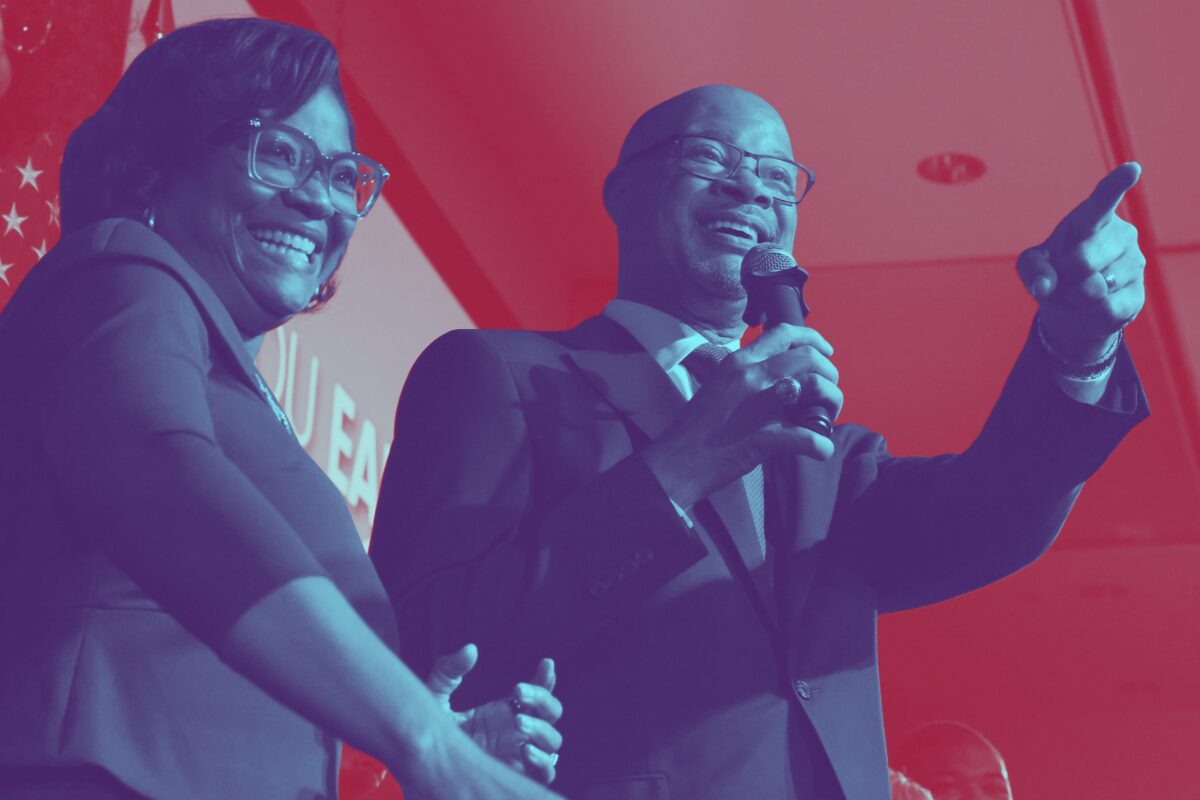
This collapse stems from a national blue wave that hit Nevada with unexpected force. The legendary “Reid Machine,” often dismissed as obsolete following Republican successes in 2022 and 2024, proved its durability by re-engaging Latino voters and outspending GOP opponents by more than two-to-one in most contests. The machine’s success was fueled by a relentless commitment to ground-level operations that caught even party insiders off guard.
“It is one of the great just deserts of this cycle that Republicans who genuflected to and enabled Trump out of fear for their own political lives have lost their careers because the man they kowtowed to has destroyed them and their party’s brand,” Ralston writes.
While the economic anxiety surrounding gas and grocery prices was a persistent theme, the analysis points to President Donald Trump as the primary architect of the Republican defeat.
His historically low approval ratings acted as an anchor for GOP candidates at every level, regardless of their individual records or campaign strategies. Even Governor Joe Lombardo, who often kept a distance from the national party’s more extreme rhetoric, could not escape the gravitational pull of the president’s unpopularity.
For Governor-elect Aaron Ford, the path forward is far from certain. While he has won five consecutive elections since 2012, his campaign was criticized for being light on specific policy substance.
He now faces a Legislature dominated by a Democratic majority that includes members eager to pursue aggressive changes, such as the repeal of “right-to-work” statutes or the implementation of rent control. The business community is already expressing concern that these new majorities may overreach, potentially destabilizing the state’s current economic standing.
The “so what” for the average Nevadan is immediate: the state government is now a single-party affair with few structural brakes. The success of the incoming administration will depend on whether leadership—specifically Governor Ford and legislative leaders like Speaker-to-be Elaine Marzola and Senate Majority Leader Edgar Flores—can exercise fiscal restraint.
If they fail to moderate, they risk alienating the very electorate that handed them this mandate, potentially setting the stage for a 2028 backlash.
Political power in Nevada has proven to be notoriously fleeting. Just two years after the 2014 Republican sweep, the state saw a return to competitive tension.
As the 2027 legislative session approaches, the Democrats have been granted a rare opportunity to govern without opposition, but they also inherit the total responsibility for the state’s fiscal health. The risk for the party is that they may eventually look upon their own works and see not a legacy, but a “colossal wreck.”
Keep reading

South Dakota Voters Reject Amendment I to Protect Medicaid Expansion
South Dakota voters have delivered a definitive message to the state legislature: the current Medicaid expansion program is...
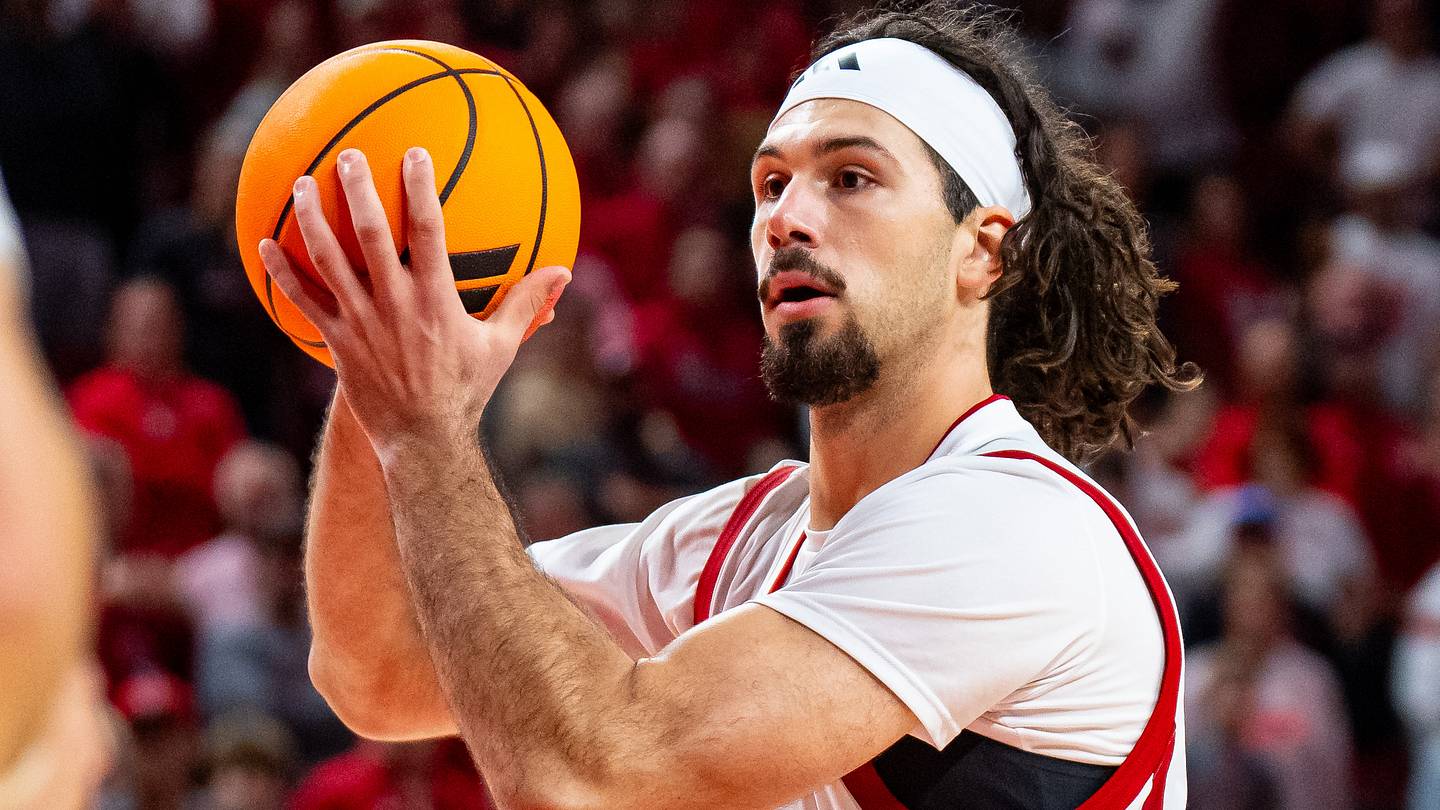
Nebraska Defeats Providence 67-58 as Sandfort Scores 25 Points
Nebraska basketball walked into the Mohegan Sun this Saturday and secured a 67-58 victory over the Providence Friars,...

Leaders Condemn Philadelphia Bike Protest Targeting Six Restaurants
A planned bicycle protest aimed at six Philadelphia restaurants drew condemnation from state and city leaders this weekend,...

Search Oregon Healthcare Providers via CMS NPI Registry
Searching for reliable provider data in Oregon has historically involved using fragmented state databases or cumbersome registry portals....