Ad Hoc Judge Denies AG’s Bid to Remove Baton Rouge Judge from CATS Cases
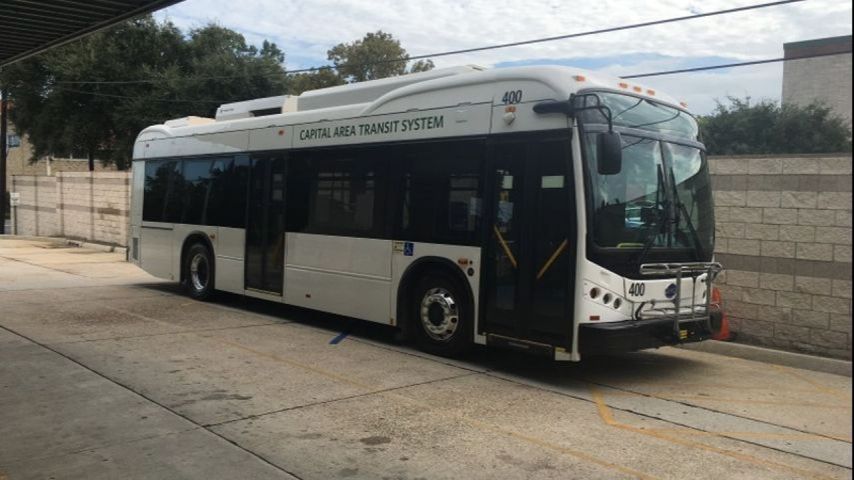
In a dramatic twist in the ongoing Baton Rouge corruption probe, an ad hoc judge has struck down a move by the state’s Attorney General to remove the presiding judge from the cases. Baton Rouge’s WBRZ reported that Ad Hoc Judge Bonnie Jackson denied the request to recuse Judge Gail Horne Ray from overseeing the indictments of several individuals, including Councilman Cleve Dunn and a former CATS administrator, tied to a probe into alleged corruption at the Capital Area Transit System.
The decision was announced in court on Wednesday, Nov. 4, a development confirmed by attorneys directly involved in the proceedings. The battle, however, is far from over. According to WAFB 9 News in Baton Rouge, the Attorney General’s office has already stated its intention to seek writs, signaling a continued legal fight to remove Judge Ray from the high-stakes cases.
The Core of the Conflict: A Lawsuit and a Lawsuit
The roots of this judicial clash lie in a public statement made by Judge Ray’s own attorney, Steven Irving. Last month, Irving told a Baton Rouge-area news station that three judges, including Ray, were suing Governor Jeff Landry, Attorney General Liz Murrill, and Secretary of State Nancy Landry over voting rights. This comment became the central pillar of the Attorney General’s motion for recusal.
WAFB reported the motion, filed in September, argued that Irving’s comments and Judge Ray’s involvement in a renewed attempt to reopen a federal voting rights lawsuit against Murrill created an insurmountable conflict of interest. The motion from the AG’s office claimed that because of these public actions, “No reasonable observer therefore could conclude that Your Honor can now fairly preside over a case in which the Attorney General appears through the undersigned counsel.”
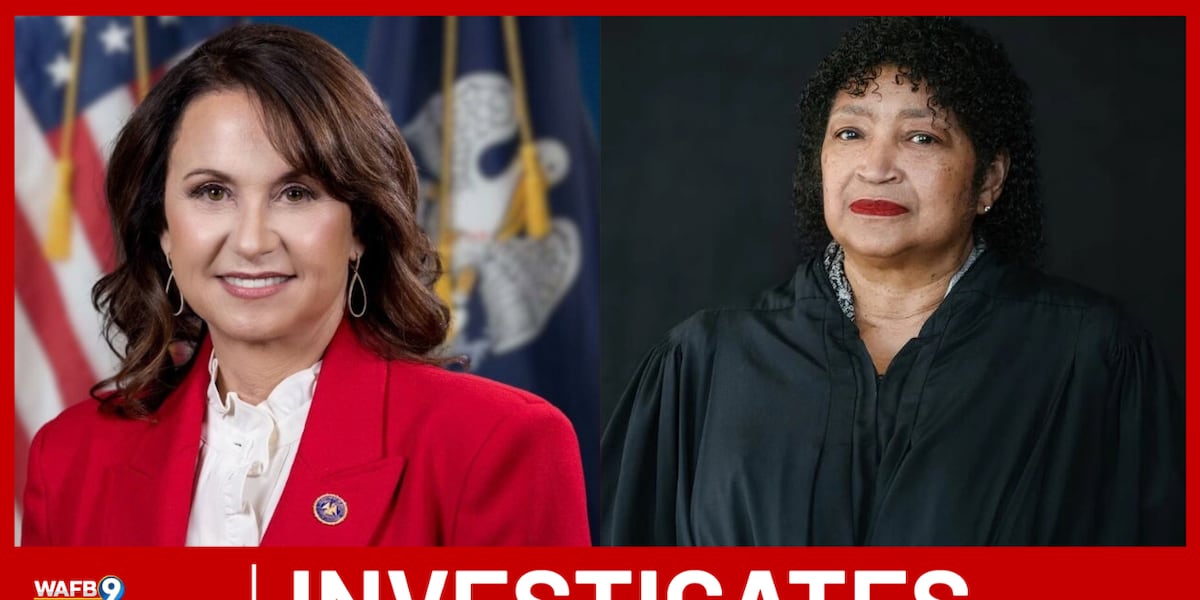
In response, Irving pushed back forcefully on the characterization. He issued a statement clarifying that there are, in fact, two separate legal cases at play. “There is a motion to reopen the Clark case to which Judge Ray is not a party and a separate declaratory judgment suit filed in February by three judges, one of whom was Judge Ray,” Irving explained. “These are two separate court cases.”
The Federal Voting Rights Case at the Heart of the Dispute
To fully grasp the tension, one must look at the larger legal battle that prompted Judge Ray’s name to enter the public discourse. The federal lawsuit in question stems from a significant change in Louisiana’s judicial map. In 2025, the Louisiana Legislature passed Act 243, which eliminated the three-subdistrict map for the 19th Judicial District Court, replacing it with two subdistricts and a new at-large seat. This move was made without seeking approval from the federal court that had established the original consent decree decades ago.
The stakes of this map change are profound. Under the previous map, nine of the 19th JDC’s 15 judges were Black, while six were white. Plaintiffs in the federal lawsuit, which includes the three judges, allege that Act 243 was specifically designed to reverse this demographic trend. They contend that lawmakers only intervene when white voting power is perceived to be at stake, but not when Black voting power is diluted. The judges are asking the federal court to reopen the historical case, declare Louisiana still bound by the original consent decree, and block Act 243 from taking effect, all as the 2026 judicial elections approach.
This context is crucial because it frames the Attorney General’s motion not as a simple procedural request, but as a challenge to Judge Ray’s ability to remain impartial in cases involving a key figure—the Attorney General herself—while she is simultaneously locked in a legal battle against that same office over voting rights.
The Attorney General’s motion read, “Although your Honor is not formally listed as a movant, Your Honor’s own lawyer thus publicly attributed the renewed Clark litigation to you.” The motion added, “That disclosure created a new and more serious recusal problem.”
What Happens Next in the Legal Standoff?
With Judge Jackson’s denial of the recusal motion, the cases against Cleve Dunn and the other indicted individuals are set to continue under Judge Ray’s authority. However, the Attorney General’s vow to seek writs means the legal battle will ascend to a higher court. A writ is a formal order from a higher court directing a lower court to take a specific action, or in this case, to reconsider a decision. This move will force the Louisiana Supreme Court or another appellate court to intervene and decide whether Judge Ray truly has a conflict of interest.
The entire saga leaves a critical question hanging in the air: Can Judge Ray, who is publicly aligned in a lawsuit against the Attorney General, preside over cases brought by that same Attorney General’s office? The Attorney General’s office says no, while Judge Ray’s side argues the two matters are entirely separate and that her impartiality remains intact. The courts will have to be the final arbiter of that question, a process that could extend for weeks or even months, leaving the fate of the CATS corruption cases in a state of legal limbo.
For now, the Baton Rouge legal community and the public are left with a clear confirmation of the deep rift between the state’s top law enforcement official and a sitting judge, a conflict that is now playing out in the open courtroom and is poised to test the boundaries of judicial impartiality in the heart of Louisiana.
Worth a look

Yahoo Travel: Folly Beach, SC: The Edge of America
Cross the Bridge to Folly Beach, Where America's Edge Ends Cross one bridge from Charleston, and you land...

Madison Moore shares her October garden log and bean harvest
For the author of the House Logs, the October log from her new home is more than a...

Richmond Bridge Traders Association Unveils New Brand Identity
The Richmond Bridge Traders Association (RBTA) has launched a new brand identity and website, a project driven by...
Gov. Ferguson says voters rejected millionaire tax repeal
Washington Voters Back Millionaires Tax, Blue Wave Fuels Governor's Hopes for Federal Action OLYMPIA – Governor Bob stood...