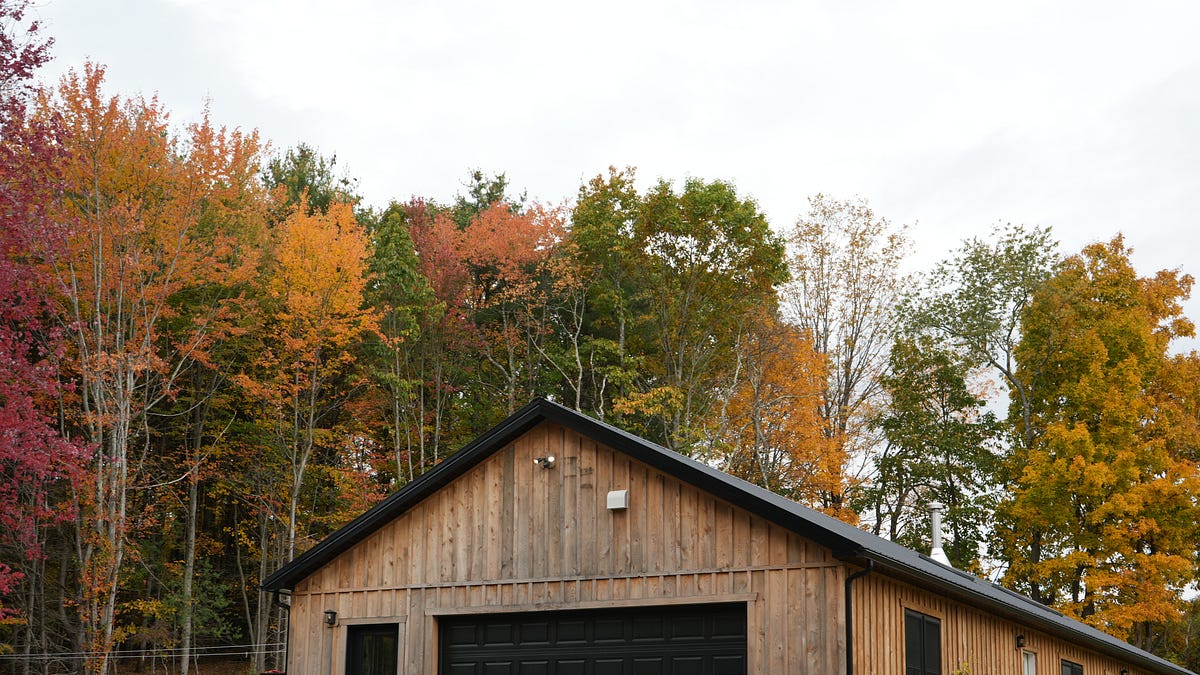
For the author of the House Logs, the October log from her new home is more than a record of the seasons; it’s a meditation on the quiet, powerful rhythms of a life lived close to the land. In a recent log, she invites readers into the closing chapter of her garden’s year, sharing the beauty, the challenges, and the profound sense of peace that comes with embracing the natural cycle.
The month began with a fat Tomato Hornworm, a voracious caterpillar of the Five-Spotted Hawk Moth, still munching on the last green fruits of the season. But as October progressed, a dozen light frosts signaled a definitive shift. “Y’all the beginning of October feels like it happened eons ago,” she writes, capturing the feeling of time accelerating as the season changes. This transition marked the end of the main growing season, prompting a flurry of activity in the garden as she worked to salvage the last of her harvest.
A Race Against the Frost
The primary mission became clear: protect the late-planted beans. She and her family have been harvesting beans like crazy, but many pods planted later in the season were still not ready for picking. To protect the maturing pods from the encroaching cold, they began covering the bean rows. “It’s been working okay,” she admits, showing both the resourcefulness and the uncertainty that defines this kind of work. She opens the floor to her readers, a direct request for practical wisdom: “if you have any tips on getting the pods to mature as the season ends, we’d love to hear them!” This small, specific problem highlights the larger, unspoken challenge for all gardeners: the relentless march of time and the fight to work with, not against, nature’s schedule.
The efforts paid off. She details the harvest of Sunset & Black Coat Runner Beans, a tangible reward for their labor. This wasn’t the only bounty. They pulled all their green onions, transforming them into dozens of scallion pancakes—a favorite preservation method. “Frozen pancakes are our favorite way to preserve them,” she explains, while also noting a new experiment: “this year we also decided to dehydrate a jar-full.” The garden also yielded a surprise harvest of volunteer butternuts, a mystery plant from May that proved to be a productive success. These small victories, born of patience and adaptation, are the substance of a life lived in tune with the seasons.
A Symphony of Autumn’s Last Notes
As the garden winds down, the natural world outside its borders puts on a spectacular show. “I can not exaggerate about how beautiful the fall colors are where we live,” she writes. This isn’t just aesthetic appreciation; it’s an acknowledgment of the sheer scale of the transformation. She describes how the colors change everything, from the quality of light at sunrise and sunset to the very feel of a walk or a drive. This beauty is fleeting, a point she makes with a sense of wonder: "The beauty of the month sort of outstrips every other month…" It happens in the blink of an eye!”

This seasonal shift also brings changes in the avian population. By the end of the month, the migratory songbirds have departed, their flow having slowed to a stop. In their place, the “steadfast winter birds” have arrived in force. She shares her sightings, including a Yellow-Rumped Warbler and a Brown Creeper, and points out new species to watch for, encouraging her readers to stay attuned to the world around them. Her personal connection to this wildlife is profound. She recounts a lucky encounter that, while not technically at her house, was too incredible not to share: getting up close with a lifer species, the Northern Saw-Whet Owl.
“A night visit to a bird-banding station collecting data on these little beauties was truly incredible. I got to release one, and she sat in my hands for over a minute.”
This intimate experience shows the deep, personal connection she has developed with her new environment. It’s a connection that goes beyond simply observing nature; it’s about participating in it, however briefly.

The Earth’s Slowdown
With the sun having “really set on the growing season,” she feels a shift within herself. “I’m getting ready to take it slow alongside the rest of the Earth,” she writes. This is the core of her October reflection: the harmony between human life and the natural world. The weather itself seems to conspire to create a perfect atmosphere for this transition—cold nights perfect for a fire, warm, sunny days perfect for napping. The skies, too, paint themselves beautifully, with the Hunter’s Moon standing out as “the most best full moon I’ve seen this year,” dramatic and huge.
As the log closes, she looks ahead with a mix of nostalgia and anticipation. With only two more house logs planned, she is capturing a finite, precious moment. The October log demonstrates that a place is not just a physical location, but a collection of experiences, a community of living things, and a series of small, meaningful rituals. It’s a quiet story, but its stakes are deeply human: the struggle to nurture life, the joy of a hard-won harvest, and the profound peace found in simply watching the world turn.
Related reading

Minnesota official challenges ICE claims using prison records
Paul Schnell challenged federal claims of immigration enforcement accuracy by releasing prison records and video footage during Operation...

Katseye Faces Backlash After Last-Minute Detroit Concert Cancellation
K-pop band Katseye canceled its sold-out Detroit concert just 30 minutes before it was set to begin at...

Augusta Athletics Announces Partnership with Wellstar on Youth, Family Outreach
Augusta Athletics and Wellstar Hospital Team Up to Score Big for the CSRA This collaboration is designed to...

Councilor Durkan Objects to Crime Lab Debate After Flynn Remarks
Boston Council Vote Halted After Sexual Assault Remark A routine debate over crime lab leadership on Wednesday erupted...