
A federal judge has dismissed a lawsuit brought by a Portland-based immigration law firm that alleged federal agents were blocking detained immigrants from accessing legal counsel.
According to reporting from the Oregon Capital Chronicle, U.S. District Judge Ann Aiken approved the plaintiffs’ request to dismiss the case without prejudice on Thursday.
The decision means the groups involved—the CLEAR Clinic, Pineros y Campesinos del Noroeste (PCUN), and an anonymous 32-year-old DACA recipient known as Leon X—retain the right to file a similar lawsuit in the future. However, the ruling denies advocates immediate judicial intervention to protect the rights of those in federal custody.
The dismissal follows a September ruling by Judge Aiken in which she denied a preliminary injunction. That order would have prevented federal agents from denying legal counsel to detainees while the litigation was ongoing. At that time, Aiken determined the plaintiffs failed to provide sufficient evidence that agents were purposefully denying access to attorneys before transferring individuals out of state.

The legal battle emerged from the fallout of Operation Black Rose, a federal enforcement initiative launched in October 2025. The operation targeted immigrants living throughout the Willamette Valley and led to more than 1,200 arrests during the final three months of 2025, the Oregon Capital Chronicle reported.
These enforcement numbers align with a directive from President Donald Trump, which instructed U.S. Immigration and Customs Enforcement (ICE) to increase daily arrest quotas from 1,000 to 3,000. The plaintiffs alleged that the administration pursued these higher quotas by denying detainees access to lawyers or restricting legal consultations to only a few minutes. They further alleged that ICE agents pressured individuals to waive their rights and sign voluntary departure orders.
The legal challenges also faced hurdles regarding “standing,” a requirement that a party must have a sufficient connection to and harm from the law or action challenged. Judge Aiken previously ruled that PCUN and Leon X lacked the necessary standing to bring the suit.
Because PCUN was suing on behalf of its members but did not name a specific member who had been denied counsel, Aiken described the omission as “fatal” to the claim. Regarding Leon X, the judge noted that while his fear of being detained was reasonable, it was not distinct from the fears felt by any other immigrant in the country.
While the lawsuit did not secure the immediate relief the plaintiffs sought, legal representatives argue the process uncovered significant documentation of federal conduct. Jordan Cunnings, the legal director at Innovation Law Lab, which represented the plaintiffs, suggested the litigation served a broader purpose.
“Documenting ICE’s disregard for the fundamental right to an attorney is a win that we can build on,” Cunnings said in a blog post.
The case highlights a growing tension between federal enforcement mandates and the constitutional protections afforded to individuals in custody. As the administration continues to implement higher arrest quotas, how those targets are met—and whether they compromise due process—is a central point of contention in Oregon's legal system.
The federal government did not immediately respond to requests for comment following the ruling, according to the Oregon Capital Chronicle.

Feds Investigate Gender Identity Policies in Albuquerque and Santa Fe Schools
The U.S. Department of Education has launched investigations into the Albuquerque and Santa Fe public school districts regarding...

Clark Police Investigate Racist Letter Sent to Somali Family
Police in Clark, New Jersey, are investigating a racist letter sent to a Somali family that has sparked...

Concord Hospital Cardiovascular Institute Welcomes Three New Providers
“Adding three providers with such complementary backgrounds strengthens our ability to care for patients throughout their cardiovascular journey,”...
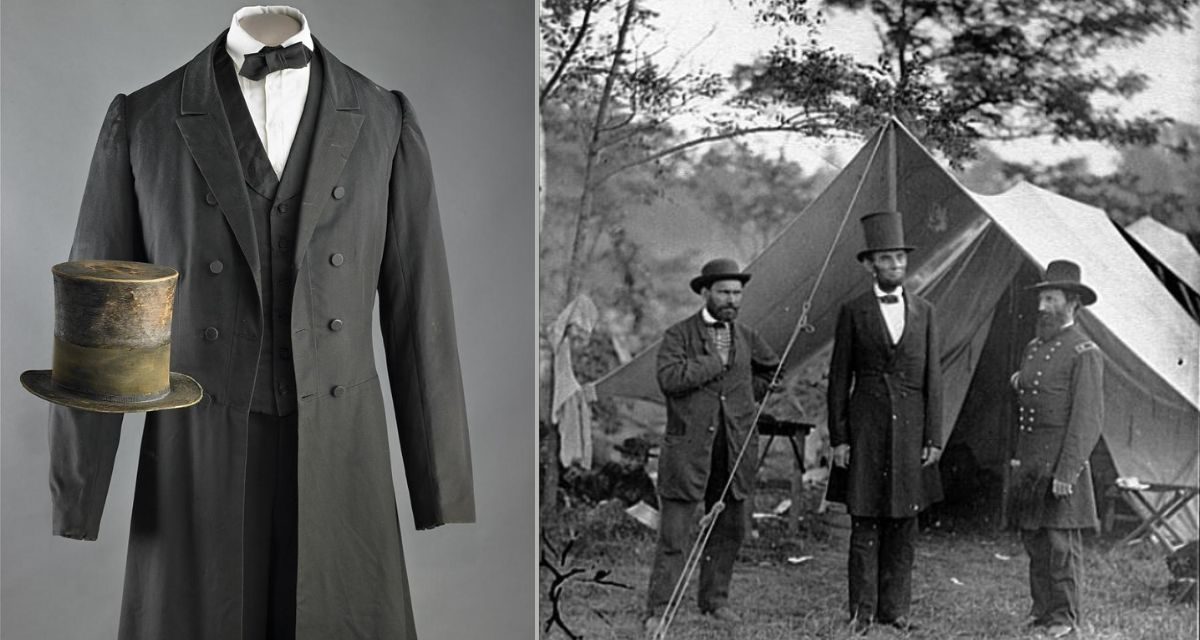
Lincoln’s Stovepipe Hat Was an Impulse Purchase to Overcompensate, Reports Say
Abraham Lincoln’s signature stovepipe hat was born from a moment of fashion-induced insecurity during a 1860 presidential campaign...