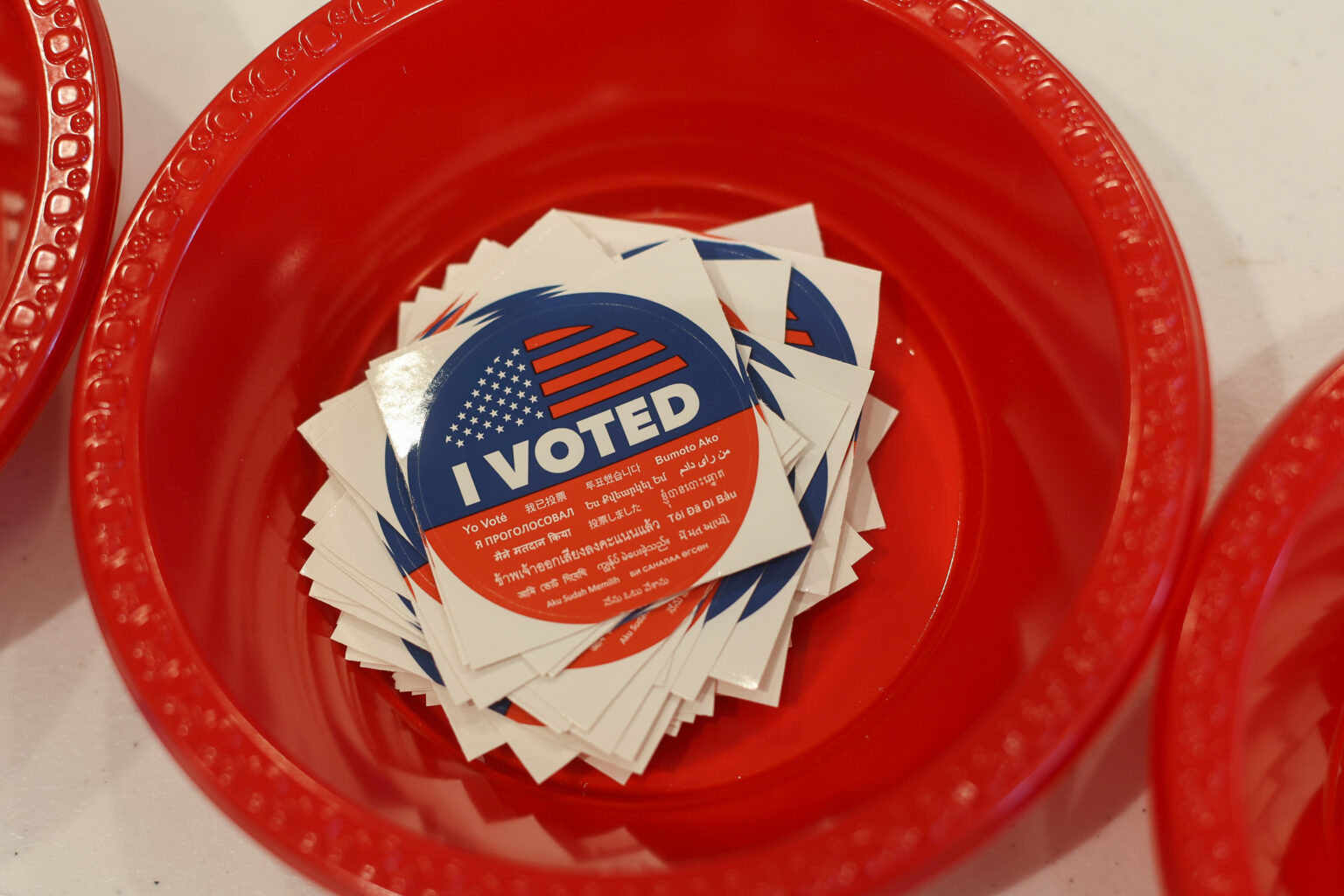
A federal judge has blocked a Department of Justice attempt to force California to segregate 20,000 ballots from people the Trump administration claims are “likely” noncitizens. In a 26-page ruling issued Wednesday evening, U.S. District Judge David Carter rejected the government’s request for a temporary restraining order, stating that the federal government cannot coerce a state into abandoning its own constitutional election procedures on the eve of an election.
The decision preserves the status quo in California, a universal vote-by-mail state where hundreds of thousands of ballots have already been processed. The ruling is a significant setback for the DOJ, which had sought to intervene in the midterm elections by targeting ballots it alleged were cast by ineligible noncitizens.
Carter rejects federal overreach
Judge Carter did not mince words regarding the timing or the nature of the DOJ’s request. He wrote that never before in American history has the federal government sought to force a state and local government to bend to the will of the Executive Branch just before an election. While the DOJ argued that it was protecting the integrity of the vote, Carter countered that the Executive Branch does not reign as a “sole sovereign” and that California and its people possess their own sovereignty.
The judge identified several fatal flaws in the government’s case. He found that the DOJ likely lacked standing and a cause of action, and noted that federal criminal laws prohibiting noncitizen voting do not grant the Justice Department the authority to override California’s specific ballot-processing rules. Carter also noted that the "emergency" the DOJ claimed was actually the result of its own neglect.
The human stakes of such an order would have been immediate. Carter warned that segregating ballots would “wreak havoc” on an election already in progress and create a chilling effect for both voters and the workers managing the process. He noted that once a vote is segregated, lasting harm occurs, and the court would not be a party to a process that could discount the votes of legitimate U.S. citizens.
The dispute over ‘likely noncitizens’
The conflict began on October 15 when the DOJ sued California and Los Angeles County after state officials refused a 48-hour deadline to review a list of individuals the federal government flagged as likely noncitizens. The DOJ argued the matter was urgent because of how mail-in ballots are handled: once signatures are verified, ballots are separated from their envelopes to ensure voter confidentiality. After that point, the DOJ claimed, it would be impossible to retrieve an ineligible ballot.
California officials, however, challenged the reliability of the federal government’s data. A preliminary analysis by Los Angeles County revealed that many people on the DOJ’s list did not even have active voter registrations. State Attorney General Rob Bonta argued that the litigation was a precursor to further federal interference and a degradation of constitutional principles.
“If the Executive can discount votes and threaten an ongoing election due to unproven allegations, then our democracy is in danger.” — U.S. District Judge David Carter
A broader strategy of federal intervention
This case is not an isolated incident. It is part of a wider pattern of DOJ actions targeting state election procedures across the country. The administration sent a similar demand to Washington state, asking them to withhold ballots from more than 400 people accused of being noncitizens. In Alaska, the DOJ filed a lawsuit attempting to stop the certification of a Senate race if a Republican incumbent loses due to votes for a “spoiler” candidate with a similar name.
The legal battle in California also saw an unusual attempt by the DOJ to bypass the district court. The administration filed an appeal to the Ninth Circuit before Judge Carter had even held a hearing. The Ninth Circuit dismissed that request as premature in a 2-1 decision. Two judges in that majority—including one appointed by President Trump—suggested they would have rejected the DOJ's emergency request regardless of jurisdiction.
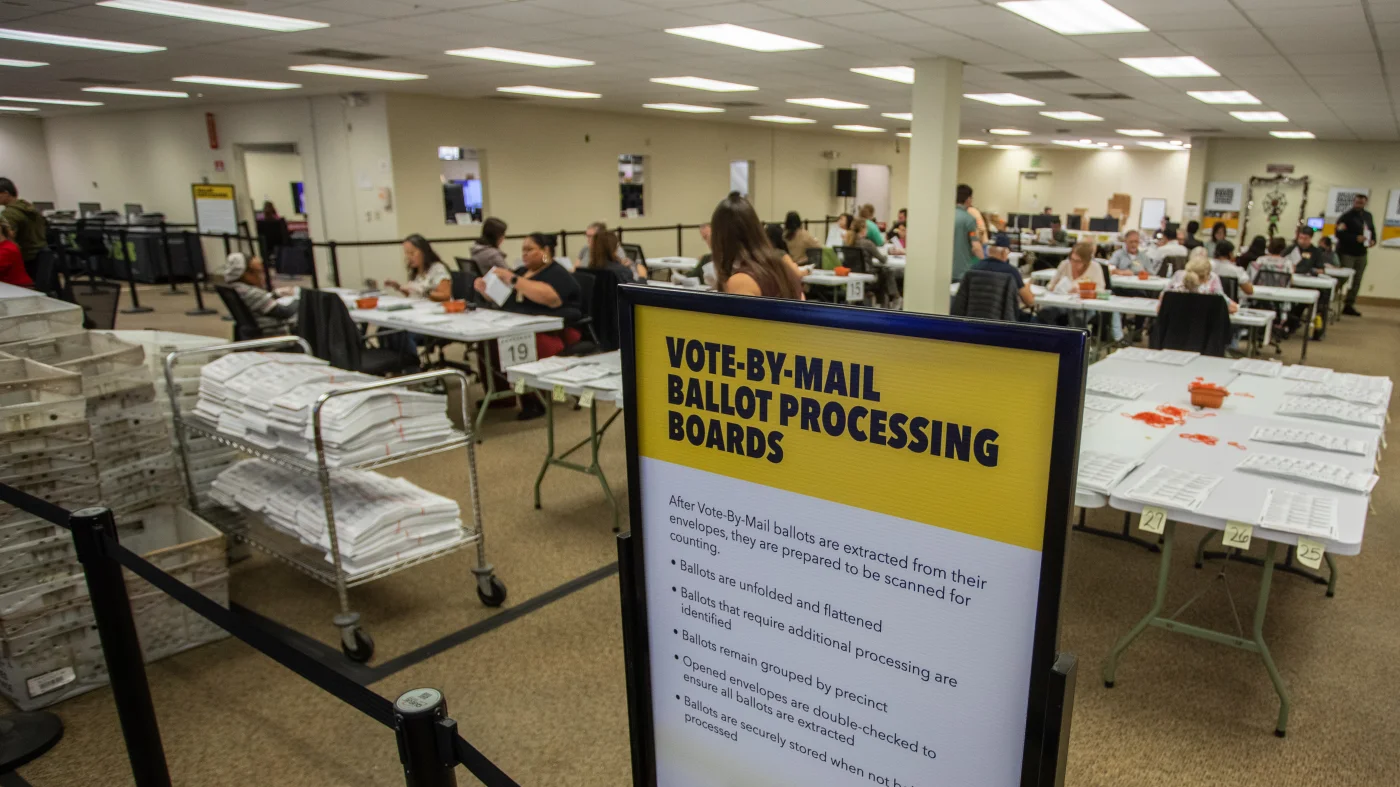
The DOJ has also used the threat of criminal prosecution to pressure local officials. The department warned county workers they could face federal scrutiny and criminal exposure if they continued to process ballots on the government’s list. Judge Carter explicitly condemned these threats, ordering that they “must stop.”
The path to the Supreme Court
Despite the ruling, the Trump administration is not backing down. The DOJ immediately appealed Carter’s decision to the Ninth Circuit. Bill Essayli, the top federal prosecutor in Los Angeles, stated on X that the ongoing emergency “disenfranchises American citizens through dilution” and that he would seek an emergency order from the appellate court.
The district court denied our emergency request to sequester ballots from 20,000 suspected noncitizens. Every day, more ballots are processed by election officials. This ongoing emergency disenfranchises American citizens through dilution. The Solicitor General authorized an… pic.twitter.com/4wz8GhxWXo
While the DOJ maintains that it is simply enforcing the law—pointing to dozens of recent charges against individuals for registering or voting as noncitizens—the court has provided a clear alternative. Judge Carter noted that the government remains free to prosecute individual noncitizens who vote illegally based on evidence, but it cannot substitute its own preferred procedures for those established by Congress and the state of California.
With the Ninth Circuit already expressing doubts about the validity of the case, the matter may eventually reach the U.S. Supreme Court. For now, the ballots in California continue to be processed under state law, leaving the final outcome of several competitive congressional races in the hands of the state’s established electoral machinery.
Keep reading

When the Atlanta Dream’s ownership team raised red flags two months ago about the WNBA locking in
When the Atlanta Dream’s ownership team raised red flags two months ago about the WNBA locking in playoff...

In a column for the Jacksonville Review, Sandra Colley argues that The Gold Room has successfully
In a column for the Jacksonville Review, Sandra Colley argues that The Gold Room has successfully reimagined a...

The Hartford Names Ryan Nally Head of Energy
The Hartford has tapped a seasoned oil and gas underwriter from a competitor to steer its national energy...
Wolves Expand Western Range: Colorado Gray Wolf Activity Map
Colorado's collared gray wolves expanded their footprint across the Western Slope through October, pressing into watersheds from Walden...