
Two of Kansas’s most powerful statewide offices—attorney general and secretary of state—remained up for grabs early Wednesday morning, with narrow margins leaving the outcomes uncertain nearly twelve hours after polls closed. In a stunning reversal from four years ago, Democrat Chris Mann held a two-point lead over Republican incumbent Kris Kobach in the attorney general race, while Republican Pat Proctor clung to a one-point advantage over Democrat Jennifer Day for secretary of state, according to vote totals reported by the Kansas Reflector.
The unresolved contests matter because these offices control the machinery of democracy and the state’s legal enforcement priorities. The secretary of state oversees elections, while the attorney general sets the tone for how Kansas enforces laws and whether state resources chase partisan agendas or stick to traditional law enforcement.
As of midnight Tuesday, neither the attorney general nor the secretary of state race had been called, even as Republican candidates claimed victory in two other statewide contests. Dan Hawkins won the insurance commissioner race, and incumbent Steven Johnson retained the treasurer position, the Kansas Reflector reported.
A Rematch Reversed: Mann Leads Kobach Where He Once Won
The attorney general race carried the night’s biggest surprise. Chris Mann, a Democrat and former police officer who was struck by a drunk driver during a traffic stop, held 51% of the vote to Kobach’s 49% as the clock struck midnight. Four years ago, Kobach narrowly defeated Mann by just 15,892 votes, capturing 50.8% to Mann’s 49.2%.
Kobach appeared briefly at a Republican watch party in Topeka but left within an hour without addressing supporters, the Kansas Reflector reported. The two candidates sit on opposite sides of most issues. During an October debate, Mann argued the attorney general should enforce the law rather than pursue partisan politics.
“My opponent has never worn a badge,” Mann said. “He’s never stood toe-to-toe with violent criminals on the street or in a courtroom. Instead, that man has run for almost every office in the state of Kansas, and he’s done it because he wanted to push his political agenda.”
Kobach, who served as secretary of state from 2011 to 2019, campaigned on his record on immigration and what he called his “extremely effective” crackdown on fentanyl abuse.
Secretary of State Race: One Point Separates Proctor and Day
In the race for the state’s top election official, Republican Pat Proctor moved a percentage point ahead of Democrat Jennifer Day with 48% of the vote to her 47% as counting continued. Neither candidate claimed victory. Scott Morgan, running with Kansas United, a new alternative party, held 4% of the vote.
By 11:45 p.m., Proctor had pulled ahead by 1%, with 519,402 votes to Day’s 510,491. Proctor, who has represented a Leavenworth district in the Kansas House since 2021, chaired the House Elections Committee and led the effort to place a constitutional amendment on the ballot requiring only citizens to vote—a measure already covered by existing constitutional language, according to the Kansas Reflector.
Day, who served one session in the Kansas House before resigning after moving out of her district, campaigned on making the office “quiet and boring.”
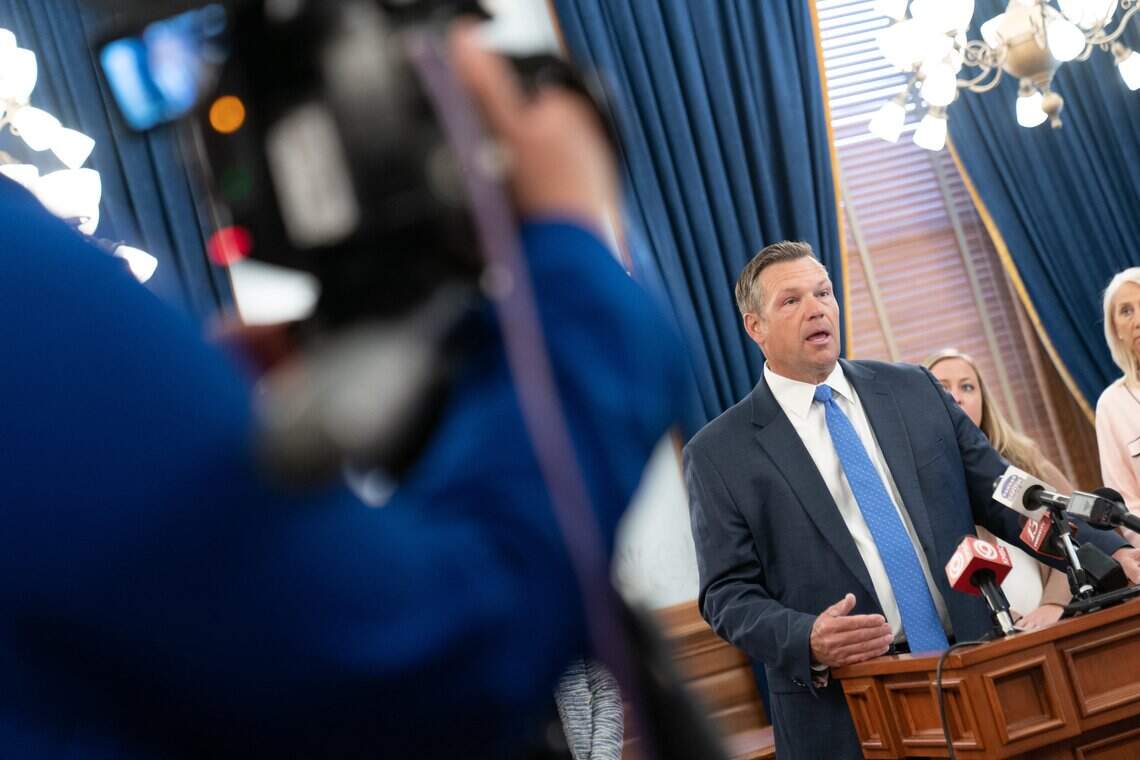
“The majority of Kansans really appreciate leaders that are not looking to make headlines and are really just wanting to do the job,” Day told the Kansas Reflector.
Both Day and Morgan have stated that Kansas elections are secure and called the citizenship amendment redundant.
Certification Deadline Sets Final Election Timeline
The Kansas Secretary of State’s office has set December 1 as the last day for the State Board of Canvassers to certify official results, according to kssos.org. Until then, the margins in both the attorney general and secretary of state races remain too narrow to call, leaving the control of Kansas’s elections administration and legal enforcement apparatus in limbo.
Who will occupy these offices when certification arrives remains the open question—and with it, whether Kansas voters chose continuity or change in the state’s highest law enforcement and election oversight roles.
Worth a look
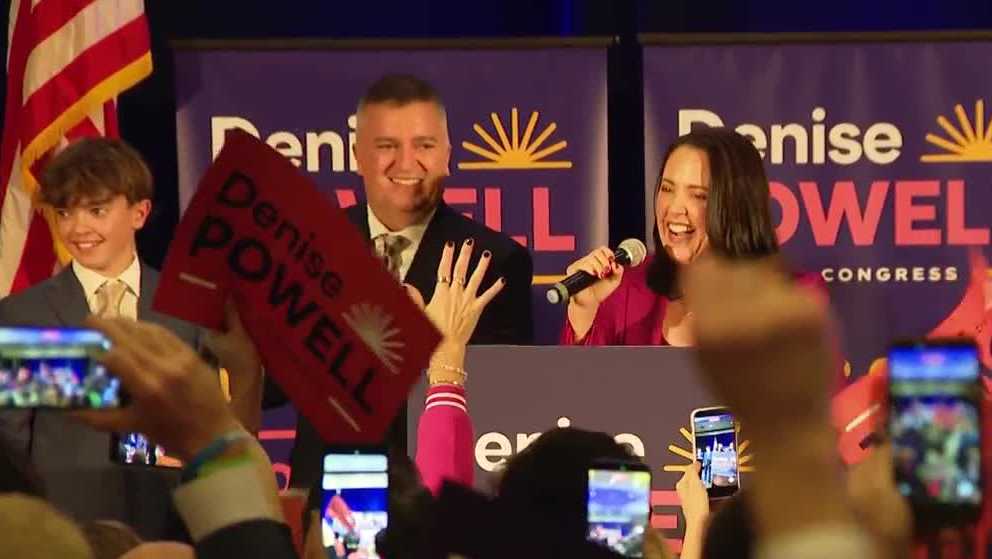
Denise Powell Wins Nebraska Congressional Seat as First Latina
Denise Powell, a Democrat, won Nebraska's 2nd Congressional District on Tuesday, becoming the first woman and the first...

Obituary: Helena Gardner White of San Antonio, Texas
Every morning began the same way for Helena Gardner White: a cup of coffee in hand, sitting on...

AG Hanaway settles Jackson County tax dispute and defends Homestead Credit
Missouri Attorney General Catherine Hanaway announced on Wednesday that her office had won two significant legal battles over...
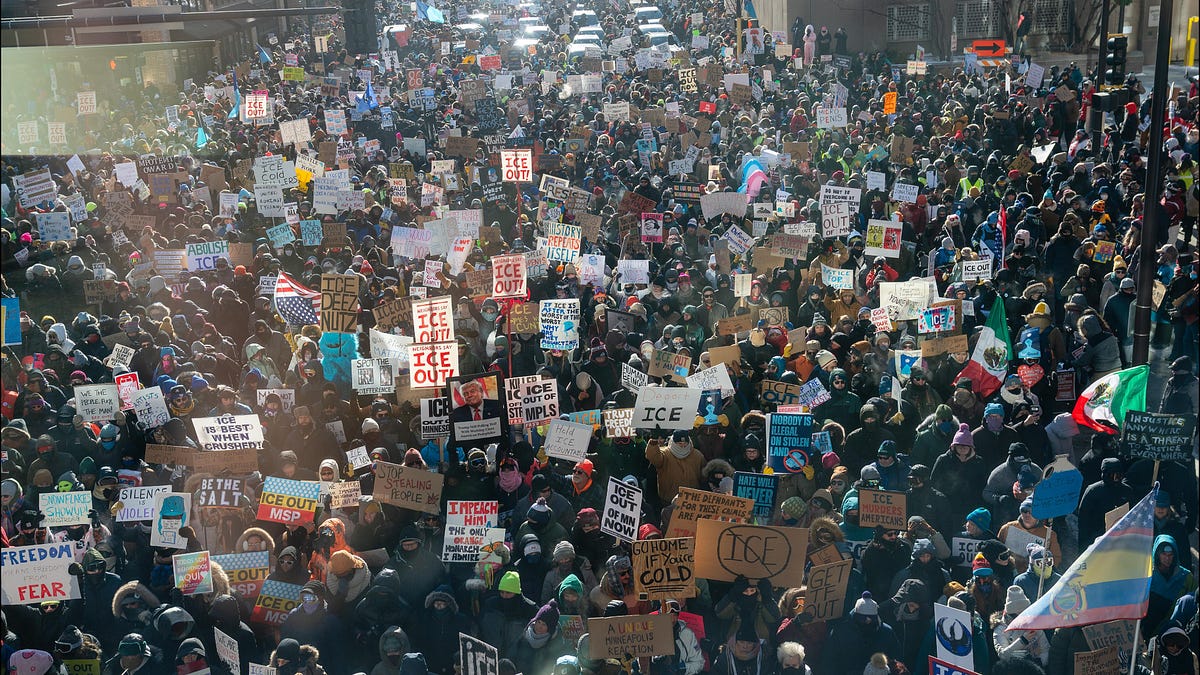
Minneapolis ICE Protests Spark Nationwide Backlash Against Trump Administration in 2026
Democratic Midterm Sweep Entrenches Capitol Hill Power, Traced to Minneapolis Protests Last night's elections delivered a decisive rebuke...