
Kansas lawmakers are returning to the policy drawing board after earlier efforts to pass online protections for children failed.
Kansas lawmakers gathered on Monday to review legislative options ahead of the 2027 session following the collapse of earlier child protection proposals, Kansas Reflector reported. Senate Bill 372 failed during the previous legislative push when the House declined to advance the measure, which sought to establish app store accountability standards, parental consent requirements, and strict age verification checks.
The legislative momentum slowed in March after a succession of tech sector lobbyists met with House members during committee hearings. Despite that setback, a bipartisan coalition signaled intent to revive app store regulations and introduce broader safeguards when lawmakers reconvene on Jan. 11, 2027. Lawmakers on the Kansas Committee on Protecting Children from Online Harm met at the Topeka statehouse on Nov. 16 to hear testimony from pediatric nurses, child safety advocates, and policy experts.
Katie Longhauser, founder of The Screen Guardians, told the committee that “More than half of children have their own tablet by kindergarten, and one in four have a smartphone by the age of eight.” Jared Hayden with the Institute for Family Studies, who testified before lawmakers on Monday, told KSNT that “As a parent, I would want to be in control of what my kid uses online and I don’t want these tech companies preying on them for their attention.” Hayden added that “Given the environment in which families and parents find themselves in, protecting their preferences is key,” and that “I don’t want my kid on this platform, or I want my kid to get approval every time they want to download an app. What these parents really need is a stopgap.” Hayden told the Capitol Bureau that he believes Kansas should consider adopting a new law requiring children to get parental permission before downloading an app or creating a social media account, noting that efforts to pass such laws failed earlier in the year.
Regarding educational measures, Hayden stated that “Education is a good step and it’s a necessary part of the tech safety ecosystem,” and that “I definitely think that doing digital literacy training in public school or in a K-12 setting is really important.” Kansas is also one of 11 states that have yet to pass Erin’s Law, which requires schools to provide age-appropriate lessons on sexual predator dangers.
“In the past, parents were on the lookout for the stranger danger,” said Heidi Olson, a pediatric sexual assault nurse examiner, speaking to KSNT. “The creepy person driving around in a white van. Those days are long gone. The vast majority of predation, grooming, sexual abuse and exploitation has moved online to apps where kids are spending their time.”

Proposals Targeting Devices and Artificial Intelligence
Lawmakers outlined several distinct approaches for the upcoming session, moving beyond simple software restrictions to target hardware and emerging technologies. Sen. Brad Starnes suggested limiting children to basic communication devices that lack open web browsers and full application capabilities. Rep. Cyndi Howerton proposed placing purchase restrictions on anonymous burner phones.
“If can’t control the particulars of the software and programs and et cetera, then the possibility of controlling the device itself, so that a person of whatever age we determine cannot have a phone or a device that allows them to even enter into programs until a certain age,” Starnes said.
Meanwhile, Rep. Jo Ella Hoye pointed toward neighboring states as a model for artificial intelligence oversight, suggesting Kansas examine legislation comparable to Nebraska’s Legislative Bill 525. That statute mandates immediate disclosures whenever users interact with conversational artificial intelligence systems and establishes safeguards against harmful or deceptive content.

“There are some things that would intervene here should violence or sexual content come up,” Hoye told Kansas Reflector.
Industry representatives argued that sweeping state-level mandates infringe upon user privacy and free expression. Megan Stokes, state policy director for the Computer and Communications Industry Association, told the committee that families already possess adequate device controls.
“Existing tools already let families set the right protections in just a few clicks,” Stokes said. “Kansas lawmakers should focus on empowering families through these tools and digital literacy education rather than adopting measures that undermine free expression and user privacy.”

Legal Actions and Settlement Funding
State officials continue to pursue legal remedies against major technology firms alongside legislative efforts.
Kobach noted that his office has participated in five lawsuits against social media companies in recent years, three of which remain active. A separate action against Meta resulted in a $17 billion multistate settlement, yielding $134 million for Kansas to support programs that counteract the negative impacts of social media on minors.
“It’s things to encourage kids to get outside again and to not be on their phone and to be able to do other things rather than getting sucked into this digital world,” Kobach said.
Related reading
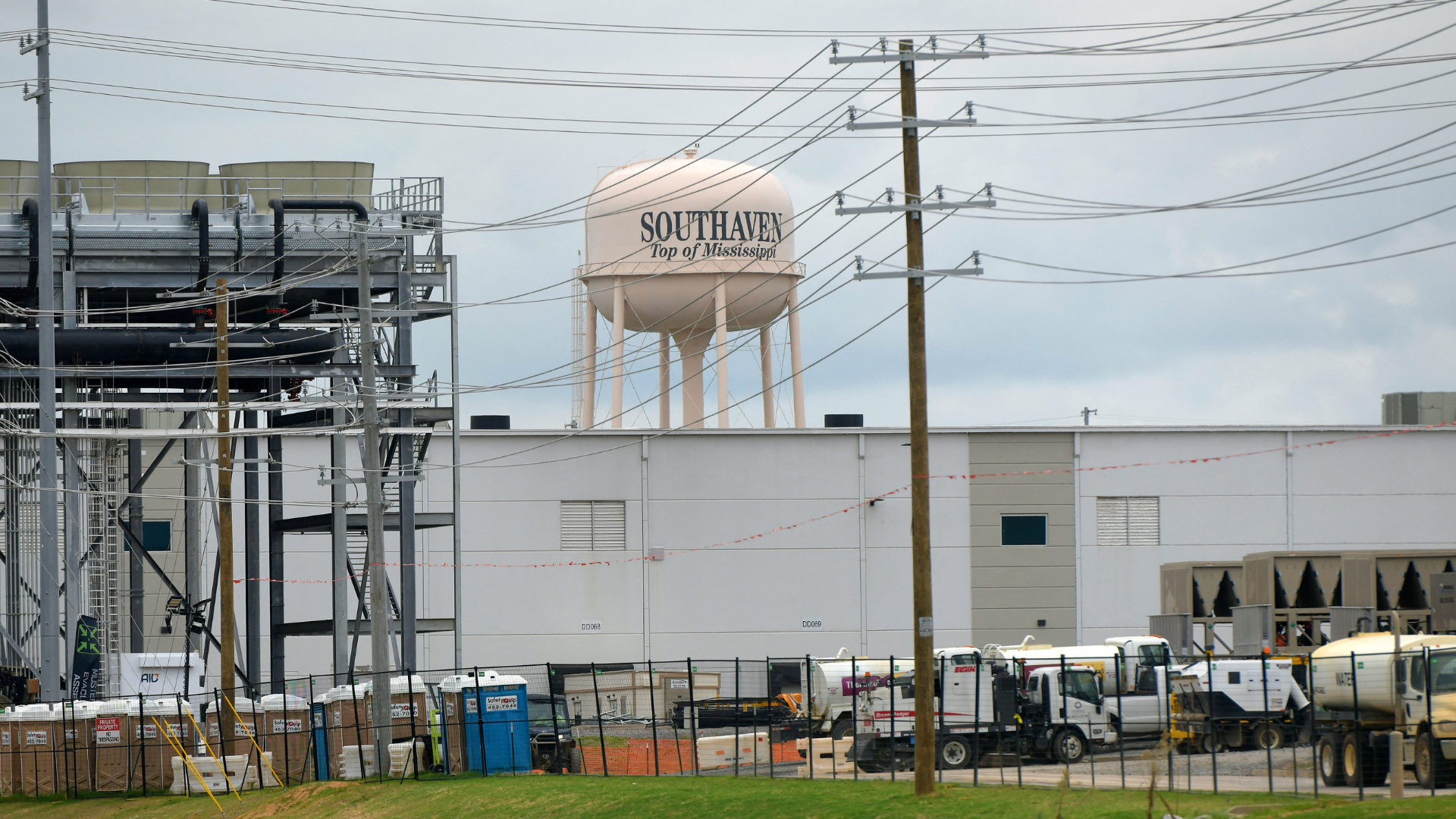
SpaceXAI Spills 5,000-6,000 Gallons of Propylene Glycol in Southaven, Mississippi
A chemical spill at SpaceXSI's data center in Southaven, Mississippi, released between 5,000 and 6,000 gallons of propylene...

Vikings Place Bo Richter on IR, Promote Jeshaun Jones, Sign D’Wayne Eskridge to Practice Squad
The Minnesota Vikings (7-2) shifted their personnel on Wednesday as they prepare for a high-stakes Week 11 Sunday...

U-M Faculty Senate Pledges Personal Funds for Activists’ Legal Defense
The University of Michigan Faculty Senate passed a resolution last Thursday pledging individual financial support to the legal...

Nuggets Erase 17-Point Deficit to Defeat Celtics 105-101 Behind Jokic, Murray
The Denver Nuggets erased a 17-point first-half deficit on Wednesday night, rallying to defeat the Boston Celtics 105-101....