Kansas State Historical Society Prepares for Repatriation of Native American Ancestors
Tribal nations are preparing to receive the ancestral remains of six individuals following an inventory completion by the Kansas State Historical Society. The formal notices, published across federal administrative records, set the stage for repatriations that can legally move forward beginning on or after October 30, 2026, and November 30, 2026, under the Native American Graves Protection and Repatriation Act.
The administrative filings trace back through decades of accidental discoveries, museum storage finds, and state-mandated forensic transfers. They reveal a sprawling collection history that stretches from an unnamed creek bed in Kingman County to a storage space at a Johnson County historic site.
Recovered Remains Across Multiple Locations
According to federal register filings, the inventory spans multiple jurisdictions and decades of accidental acquisition. In Kingman County, human remains representing at least one individual were discovered in an unnamed creek. The remains moved through the Kingman County Sheriff’s office before undergoing forensic anthropological analysis and eventually transferring to the Kansas State Historical Society in December 2025 under state UBS law.
TOPEKA (KSNT) – The Kansas State Historical Society (KSHS) is making repatriation boxes in an effort to bring items and remains back to their original communities. According to the National P… pic.twitter.com/lo1VAkD1gG
A separate recovery in Finney County involved human remains believed to be from the vicinity of Garden City. A private individual received the remains from a relative, mailed them to a professor at Kansas University who contacted the Garden City Deputy Coroner, and triggered a chain of custody that involved forensic analysis before reaching the state historical society in December 2025.
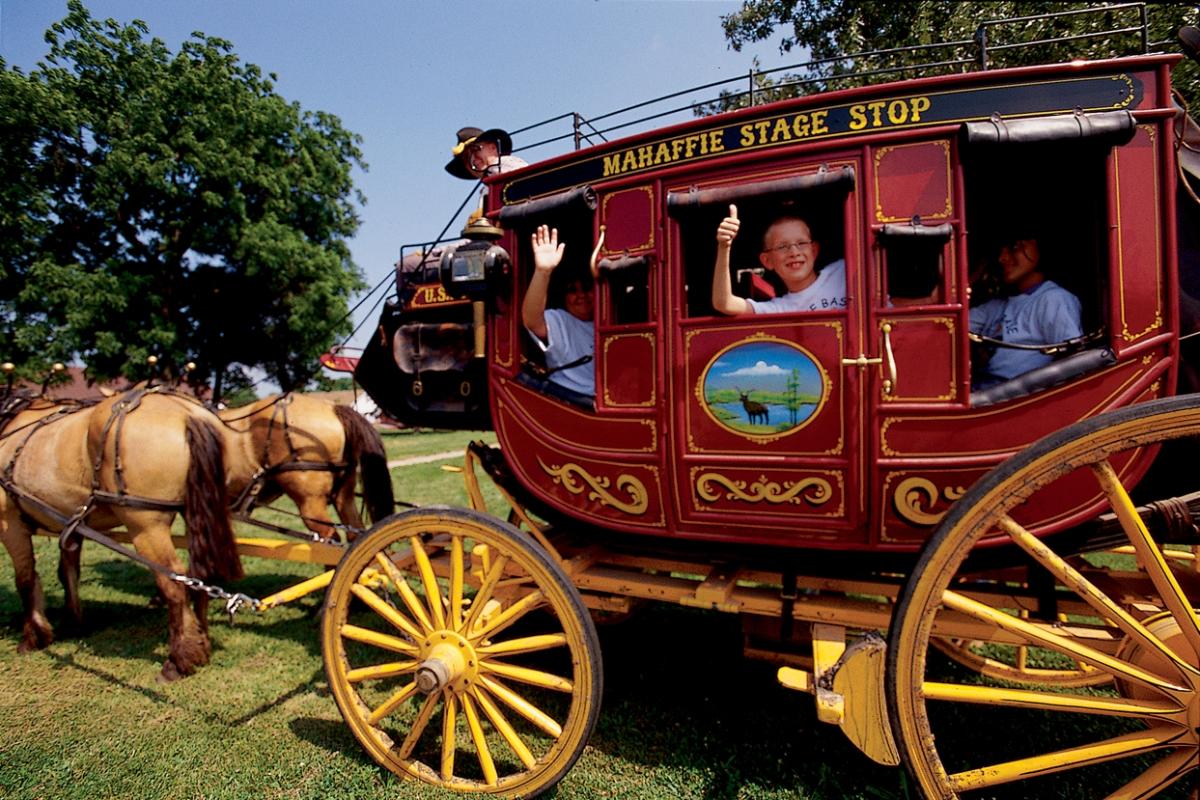
Additional ancestral remains surfaced in Johnson County. Partial remains believed to be medical specimens were discovered in a storage space at the Mahaffie Stagecoach Stop in 2016. Those remains, marked only with a label reading “Medical Bag Contents” alongside remnants of adhesive tape, sat in institutional custody until their transfer to the state historical society in 2025.
In another entry, an item donated to the historical society in 1963 as a rabbit-hunting club with horsehair was re-examined during consultation. Officials determined the wooden club actually contained human hair rather than horsehair.
Cultural Affiliations and Return Timelines
Based on geographical locations and acquisition histories, the Kansas State Historical Society determined that the remains from Kingman and Finney counties share a cultural affiliation with the Cheyenne and Arapaho Tribes, Oklahoma; the Northern Arapaho Tribe of the Wind River Reservation, Wyoming; the Northern Cheyenne Tribe of the Northern Cheyenne Indian Reservation, Montana; and the Wichita and Affiliated Tribes (Wichita, Keechi, Waco, & Tawakonie), Oklahoma. Repatriation for these two individuals may occur on or after November 30, 2026.
Meanwhile, filings link the Johnson County remains and the artifact containing human hair to the Kaw Nation, Oklahoma. Repatriation for those individuals may occur on or after October 30, 2026.
Written requests for repatriation must be directed to Dr. Nicole Klarmann at the Kansas State Historical Society in Topeka. Under federal guidelines governed by 43 CFR 10.10, if competing claims arise, the historical society bears the responsibility of determining the appropriate requestor prior to transferring custody.

2025 Hyundai Santa Fe Hybrid SEL AWD Manufacturer Buyback Low Miles
Low-Mileage Hybrid Arrives With Buyback Status The 2025 Hyundai Santa Fe Hybrid SEL AWD has arrived at Rand's...

Dade County High School Principal Brent Cooper Arrested on Sex Charges
Dade County High School Principal Brent Cooper Arrested on Two Counts of Improper Sexual Contact Dade County High...
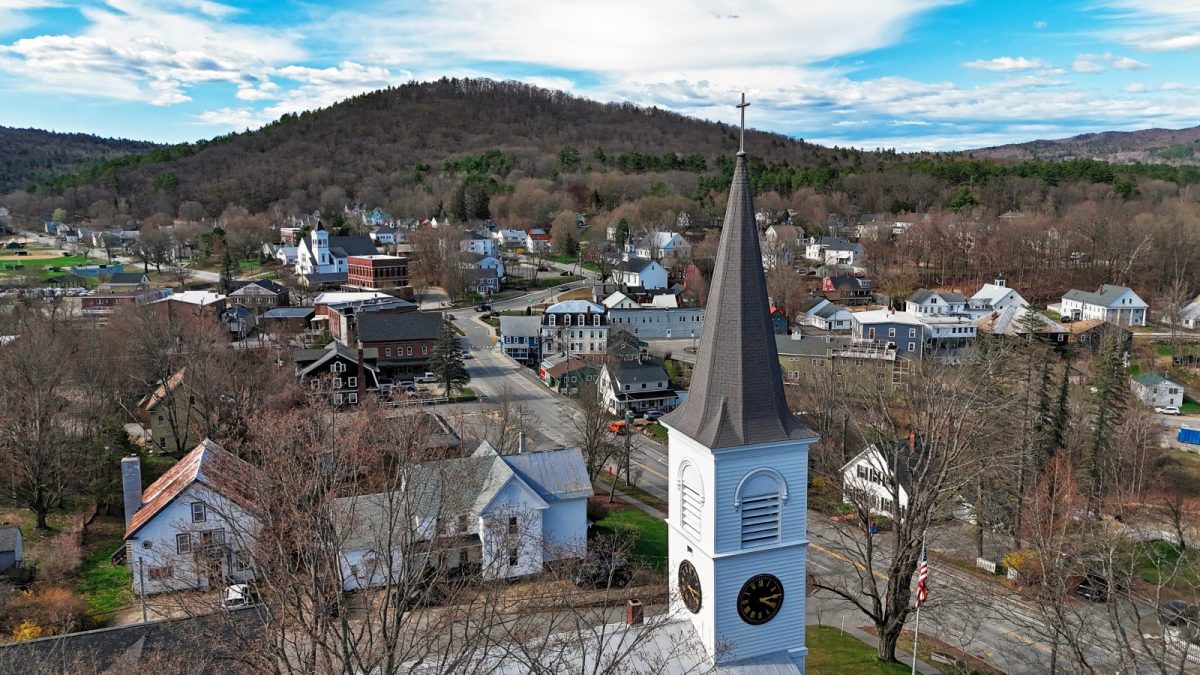
Bristol, New Hampshire, Features 12 Historic Central Square Buildings
The 12 Historic Buildings Defining Bristol's Central Square Twelve historic buildings anchor the Central Square Historic District in...

Grosse Ile Advances to State Semifinals After 2-1 Win Over Notre Dame Prep
Carson Twiner Strikes Twice as Grosse Ile Dethrones Notre Dame Prep in D3 Regional Final PONTIAC — With...