
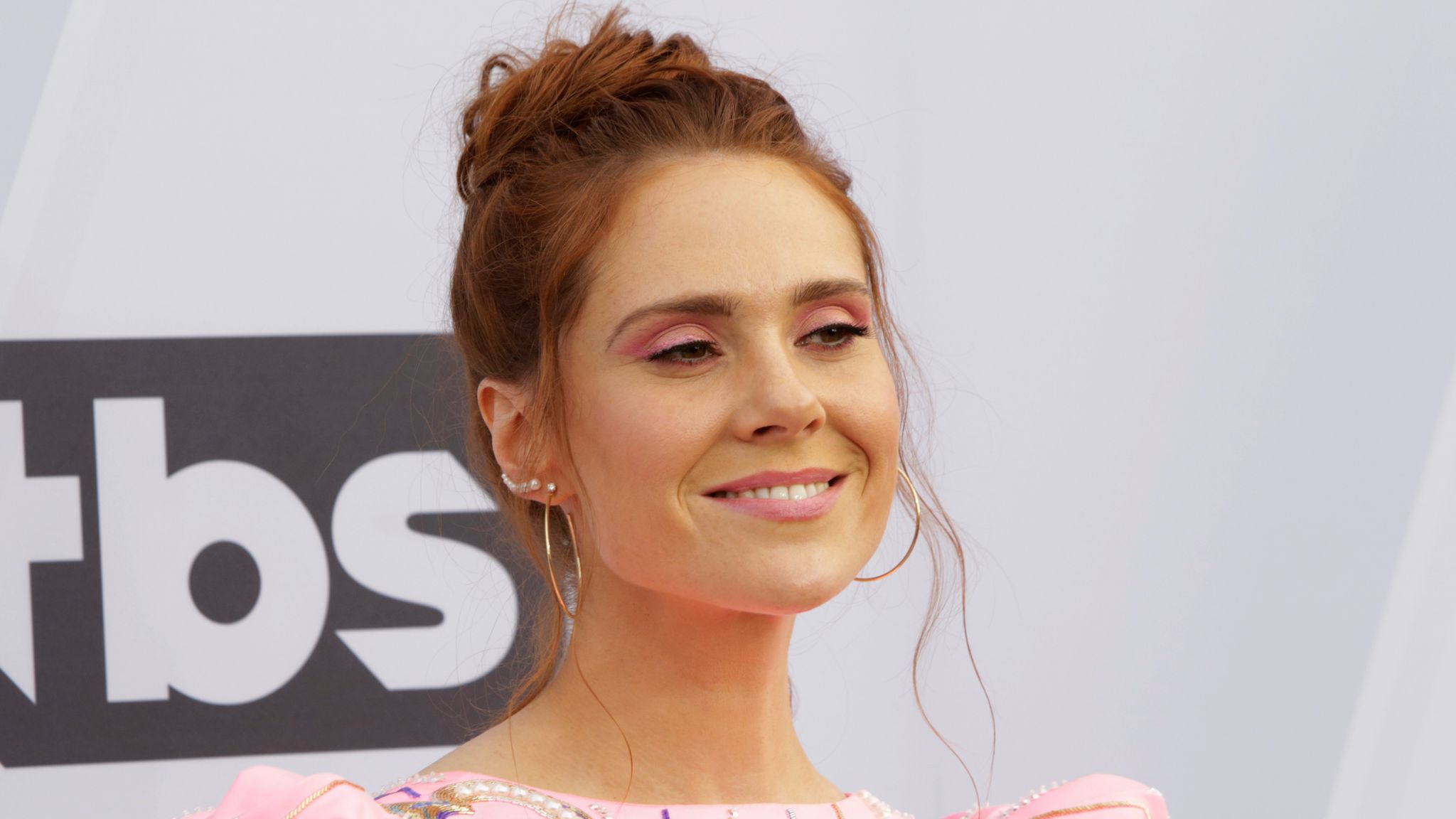
Kate Nash says she will continue to post on OnlyFans to cover the costs of her upcoming North American tour, RTÉ reported.
The 39-year-old singer revealed she is “set to lose about 16,000 dollars” during her current touring cycle. She plans to use her presence on the subscription platform to bridge this financial gap, a move she has used since joining the service in 2024 to highlight the economic instability currently facing independent musicians.
Nash, who rose to fame with her 2007 debut Made Of Bricks, has been vocal about the discrepancy between her commercial reach and the actual profitability of live performance. Despite having millions of streams and selling thousands of tickets, the financial burden of maintaining a professional touring crew remains a significant hurdle.
The crisis in grassroots music culture
The singer’s decision to utilize subscription-based content is framed as a direct response to the shrinking margins in the music industry. In a video for her new OnlyFans TV channel, which she launched to provide a behind-the-scenes look at the life of an independent artist, Nash addressed the systemic issues she encountered while touring her 2024 record, 9 Sad Symphonies.
“When I put out my record 9 Sad Symphonies in 2024 and I started touring it, I realised how much the grassroots of music and culture really was in crisis,” Nash said.

She explained that her preference for a “human band” over digital backing tracks significantly increased her overhead. The costs associated with employing a band, a sound technician, a lighting professional, and various crew members have made touring a net loss for her in certain instances.
“I think that considering the cultural impact that my music has made, and the fact that I have millions of streams and I sell thousands of tickets, means that I should be able to have a band and a crew and pay them,” Nash said.
Nash previously launched her “Butts for Tour Buses” campaign to secure immediate funds for her crew, specifically noting a need to “save Christmas” after being forced to let a staff member go before the holiday season.
Economic realities for the touring artist
The financial friction Nash describes reflects a broader tension within the entertainment industry between intellectual property value and the backend gross of live events. While streaming platforms provide massive reach and brand equity, they rarely translate into the liquid capital required to sustain high-production live shows.
For the American consumer, this trend often manifests in rising ticket prices as artists attempt to recoup the escalating costs of logistics, insurance, and labor.
Nash has used her platform to spark debate regarding these economic barriers. She has even discussed the financial necessity of her OnlyFans presence with Members of Parliament, arguing that the current industry structure is rapidly closing the doors on who can afford to maintain a professional career in music.
“I loved that I was making people angry and that people were talking about the music industry and the problems within it,” she added.
Beyond the financial struggle, Nash is using her digital channels to document the travel experience. She said that her new OnlyFans TV channel serves as a vlog to share the realities of being a touring artist with her audience.
A career defined by cultural exploration
While the discussion surrounding her OnlyFans use remains centered on economics, Nash continues to expand her creative portfolio. She is currently working on a new project that explores her Irish roots, following recent performances in Derry, Cork, Kilkenny, and Dublin.
Her recent work includes a cover of Sinéad O’Connor’s “Famine,” a nod to her heritage. Nash was raised in London but maintains deep ties to Ireland, with family roots in Athenry, Galway, Headford, and Lisheenkyle.
As she prepares for her North American dates, Nash remains blunt about her strategy to maintain her professional standards. “I’m going on tour to North America. I’m set to lose about 16,000 dollars and I’m going to be putting my ass on the internet a lot to try and cover the cost of that. So, let’s have some fun,” she said.
Disclaimer: The cultural analyses and financial data presented in this article are based on available public records and industry metrics at the time of publication.
Related reading

Tata Power Q2 Profit Rises on Mundra Plant Turnaround, Solar Business
Tata Power reported a 32.7% year-on-year increase in consolidated net profit to Rs 1,652.04 crore for the quarter...

Oprah’s New Book Club Pick Is the Perfect Late Fall Read. What Is It? – USA Today
As the nights get longer and the air gets chillier, even Oprah Winfrey wants to get cozy with...

DC Studios Insider Suggests Lanterns Season 2 Unlikely
On Monday, November 9, an insider at DC Studios suggested that HBO’s Lanterns is unlikely to be renewed...

NAZA Documentary Reaches 1.5 Million Admissions Worldwide
More than 1.5 million people have seen the investigative documentary NAZA in cinemas across the world since its...