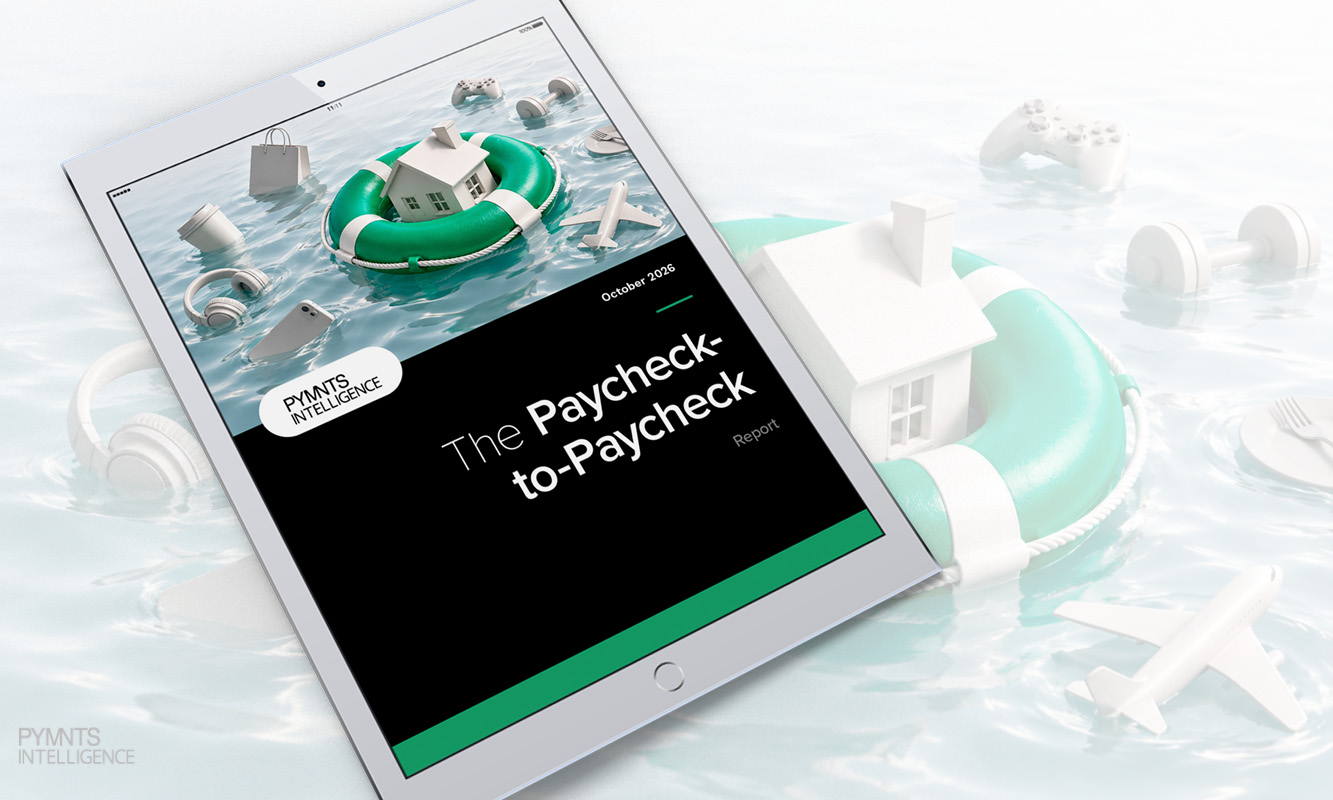
When household budgets finally break under macroeconomic friction, American consumers do not trim evenly. PYMNTS.com reported in its latest Paycheck-to-Paycheck Report that 66% of U.S. consumers lived paycheck to paycheck in September 2026, holding steady within the 64% to 71% range recorded since September 2024. Drawing on a survey of 2,487 U.S. adult consumers conducted between September 16 and September 28, 2026, the data exposes exactly which corporate revenue streams are first on the chopping block and which foundational costs remain completely untouchable.
The Bottom Line:
- Homeownership is King: Mortgage or homeownership costs lead expenses every financial group would protect until the bitter end, cited by 23% to 27% of consumers.
- The Subscription Cliff: Among consumers who purchase discretionary subscriptions, 60% of those struggling with bills would cut them first, compared to 39% of those not living paycheck to paycheck.
- Persistent Vulnerability: Two-thirds (66%) of the U.S. consumer base remains locked in the paycheck-to-paycheck cycle, with 25% actively struggling to pay monthly bills.
Mortgage Protection Leads All Financial Segments
Economic stress forces immediate triage on household ledgers. Regardless of whether a household sits comfortably outside the paycheck-to-paycheck trap or struggles to meet basic obligations, mortgage or homeownership costs take first place as the ultimate priority. Roughly 27% of consumers living paycheck to paycheck without issues, as well as 27% of those not living paycheck to paycheck, rank homeownership as the expense they would protect the most. Even among households actively struggling to pay bills, 23% prioritize keeping a roof over their heads above all else.
This unwavering commitment to shelter anchors consumer balance sheets, leaving remarkably little room for discretionary overflow. PYMNTS.com data shows that while consumers classify roughly 11 out of 22 tracked spending categories as discretionary, they actually purchased from an average of only two of those categories over the preceding 12 months. Those paying bills comfortably spent on an average of 1.9 discretionary categories, compared to 2.5 for those not living paycheck to paycheck.
Subscriptions and Dining Out Face Immediate Cuts
Discretionary spending is rarely surrendered out of malice; it is cut because consumers recognize wants versus needs. Among respondents whose first cut is a discretionary expense, 49% to 54% across every financial group state the item is simply more of a want than a need. Ease of stopping follows closely behind at 43% to 44%.
Subscriptions bear the brunt of this pragmatism. For consumers who buy subscriptions and classify them as discretionary, 60% of those struggling with bills would cancel them first. Households living paycheck to paycheck without issues paying bills are nearly as aggressive, with 57% pointing to subscriptions as an immediate casualty. That figure drops to 39% for consumers not living paycheck to paycheck, creating the widest gap observed across all eight compared spending categories.
Everyday convenience follows a similar downward trajectory. Among consumers living paycheck to paycheck without issues who classify meals out as discretionary, 76% would cut breakfast or lunch out first, 72% would axe coffee or drinks out, and 70% would drop food delivery services entirely.
Defending Grocery Delivery and Personal Shopping
Despite aggressive cutbacks across most optional sectors, approximately one in five discretionary purchasers (19% to 20% across every financial group) vow to hold onto at least one favorite category for as long as possible. These protected items frequently defy traditional definitions of absolute necessity.
For consumers living paycheck to paycheck but managing their bills, grocery delivery or personal shopping claims the top spot among discretionary protections at 12%, followed by clothing at 10% and entertainment at 8%. Conversely, travel leads the protected optional list for consumers not living paycheck to paycheck. Meanwhile, consumers struggling to pay bills place a premium on physical mobility and basic health, with roughly 12% fighting to hold onto a car and 16% protecting ongoing healthcare costs.
As retail and media corporations navigate compressed consumer segments through the close of 2026, the data delivers an unambiguous signal. Discretionary cash flows will continue to contract sharply where services are easily canceled, forcing platform operators and digital subscription models to justify their recurring charges against a backdrop of permanent household prioritization.
Disclaimer: The information provided in this article is for educational and market analysis purposes only and does not constitute financial, investment, or legal advice. Always consult with a certified financial professional before making investment decisions.
Keep reading

What early voting can – and can’t – tell us about how Georgia’s midterm election so far
Georgia Early Voting Numbers Hit Record Highs as Campaigns Sprint to Tuesday Friday marks the final day for...

Explore Orlando’s backyard: 15 outdoor destinations to hike, camp and paddle this fall
Fall in Central Florida brings a specific kind of relief. While northern states trade their green canopy for...

Broncos’ Injury Concerns Grow as Two More Key Players Surface – Sports Illustrated
The Denver Broncos are facing a critical health test as they prepare for their Week 8 rematch against...

Angel Cruzado’s Post – LinkedIn
Angel Cruzado, a founder currently undergoing treatment for stage IV pancreatic cancer, detailed a rigorous travel itinerary on...