
Georgia Early Voting Numbers Hit Record Highs as Campaigns Sprint to Tuesday
Friday marks the final day for voters to cast ballots early in Georgia ahead of Tuesday’s midterm election, with nearly 2.4 million ballots already recorded as political campaigns make their final push to marshal resources and secure turnout.
Both Republican and Democratic leaders have spent the week poring over the influx of participation, though interpreting what these figures mean for the final outcome remains a complex task. Unlike many other states, Georgia does not require voters to indicate their party affiliation when registering, leaving analysts to rely on county-level breakdowns and demographic trends rather than straightforward party registration numbers.

Trey Hood, director of the survey research center at the University of Georgia’s School of Public and International Affairs, cautioned against reading too much into the totals before polls close on Election Day.
“We have to be cautious about inferring what’s going to happen for the election outcome as a whole just from early voting in Georgia, especially because we don’t have party registration figures,” Hood said. “People just love to speculate using any kernel of information that may be out there, but it is speculation.”
Suburban Turnout Surges While Rural Counties Lag
An analysis by the Atlanta Journal-Constitution reveals a distinct geographic divide in how this early voting wave is shaping up across the state. In the 132 counties that Donald Trump carried during the 2024 presidential election, early turnout is running essentially flat compared to the same point in the 2022 midterms. Conversely, the 27 counties that voted for Kamala Harris have seen a 9% jump in ballots cast.
Democratic strongholds like Cobb and Gwinnett counties are tracking roughly 15% ahead of the pace set during the last midterm cycle. At the same time, strong Republican bastions such as Cherokee and Forsyth counties are also experiencing notable spikes in participation.
Charles Bullock, a political science professor at the University of Georgia, pointed out that the demographic makeup of these surging areas heavily favors Democrats.
“Democratic areas are turning out well. Blacks are turning out well. Younger voters are turning out better,” Bullock said. “And for Democrats, the younger the voters, the better Democrats do. So yeah, it does look like the wind is blowing in Democrats’ direction right now in terms of this early voting.”
This enthusiasm aligns closely with recent polling data. An Atlanta Journal-Constitution poll showed that only 42% of respondents approved of President Donald Trump’s performance, while just 33% felt the country was headed in the right direction. Voters across the state have voiced significant concern over inflation and the rising cost of living, driven in part by ongoing conflicts and tariff policies.
High-Stakes Statewide Races and the Final Push
The political stakes are exceptionally high across the ballot. The gubernatorial contest between Republican Rick Jackson and Democrat Keisha Lance Bottoms remains well within the margin of error. Meanwhile, nonpartisan election forecasters like Sabato’s Crystal Ball have recently shifted the races for attorney general and secretary of state from lean Republican to pure toss-ups.

Georgia GOP Chairman Josh McKoon acknowledged the historical pattern of Democrats dominating early voting periods in the state, describing the dynamic as a tale of two distinct electorates.
“Essentially there are two elections — the early voting led by Democrats and Election Day voting led by Republicans,” McKoon said. “We will need Republicans, particularly in rural Georgia, to turn out on Election Day in order to win this election.”
Republican candidates are acutely aware of that challenge. On the campaign trail, Jackson warned supporters against taking rural turnout for granted. On the other side, Bottoms urged her base to maintain their momentum following a rally in Clayton County featuring former President Barack Obama, emphasizing that the race remains undecided.
With early voting concluding Friday, the central question for Election Day is whether Republicans can generate enough momentum at the polls to offset the substantial early advantage built by Democrats.

Palmer Group survey: Iowa employers prioritize technology – Business Record
Iowa Employers Pivot Toward Technology and Retention as 2027 Planning Takes Shape “Companies are trying to find efficiencies,...

How American Lives Theatre Brought New Playwriting to Indianapolis
Running through November 8 at the Phoenix Theatre Cultural Centre in downtown Indianapolis, the world premiere of The...

Lewiston is among the Maine schools that are adding more recess breaks. Here’s why
Lewiston Schools Add Recess Breaks to Improve Focus Across several Maine districts, administrators are quietly altering the daily...
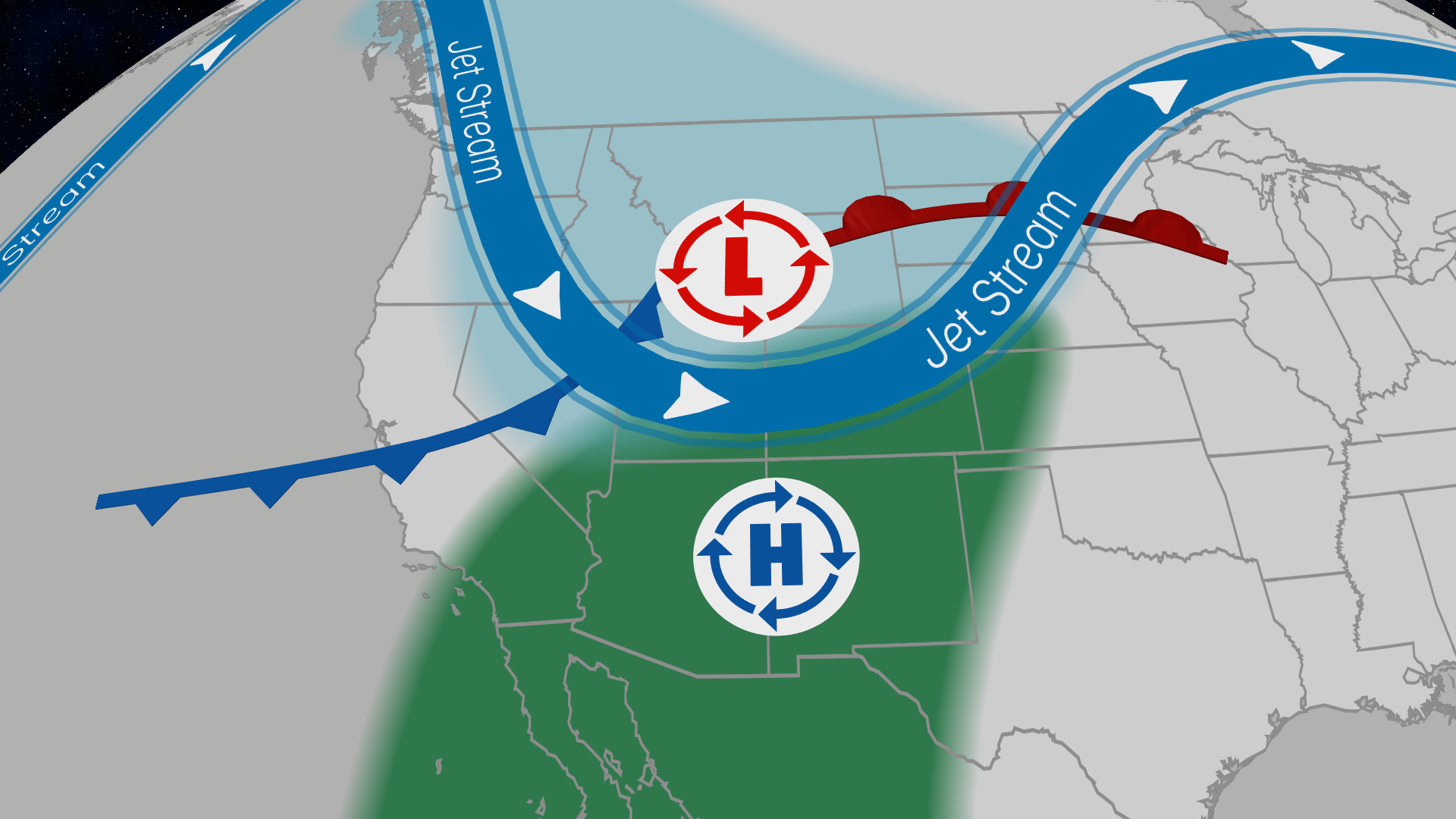
Tornadoes surge in Arizona, New Mexico this month. Here’s why. – The Weather Channel
When the Desert Spins If you live in the Southwest, severe weather and tornadoes rarely interrupt an afternoon....