
Kentucky lawmakers are weighing a statewide resilience office, election security upgrades, and changes to certificate-of-need rules after interim joint committees met the week of November 15 in Frankfort. The meetings also covered military installation readiness, private equity in health care, and licensing compacts for military spouses.
Rep. Ryan Bivens summarized the committee work in a legislative update, noting the discussions will shape the 2027 Regular Session.
Committee hears resilience office proposal and jail cost review
The Interim Joint Committee on Local Government heard from the American Flood Coalition and The Pew Charitable Trusts about creating a Kentucky Resilience Office to lead statewide planning and reduce long-term risks before disasters strike. Members also reviewed financial pressures on county jails and explored ways the state could provide relief.
Election standards and pension funding
The State Government committee received an update from the State Board of Elections on implementing new standards from HB 139, with recommendations for additional steps to strengthen election security next session. The Kentucky Public Pensions Authority reported positive funding news for pensions and insurance and outlined housekeeping measures for lawmakers. The Department of Fish and Wildlife Resources said game warden applications rose significantly after the General Assembly funded a pay increase.
Private equity and certificate of need
The Health Services committee examined the growing role of private equity in health care and its potential effects on access, costs, and quality, including how other states are improving oversight and ownership transparency. Lawmakers also discussed modernizing certificate-of-need laws by streamlining applications and appeals and giving existing hospitals more flexibility to expand services. The meeting concluded with an overview of Kentucky’s Medicaid State Plan and proposed amendments.
Small business tech tools and housing initiative discussed
The Tourism, Small Business, and Information Technology committee heard presentations on technology tools to help small businesses grow and operate more efficiently. Members also received an update on the Let Kentucky Build initiative, which focused on encouraging development, strengthening the housing market, and addressing barriers to building.
Military readiness and family challenges
The Veterans, Military Affairs, and Public Protection committee heard from Fort Knox and Fort Campbell. Fort Knox highlighted efforts to strengthen energy independence, advance autonomous technology and drone defense capabilities, and prepare for future training and research opportunities.
Fort Campbell discussed modernization, evolving training needs, and challenges military families face, including affordable housing, childcare, and licensure wait-times. The Defense-State Liaison Office testified on legislative opportunities to further strengthen Kentucky as a military-friendly state.
Child welfare and kinship care
The Families and Children committee reviewed efforts to strengthen collaboration among community organizations and state agencies serving children in the child welfare system. Members received an overview of kinship care challenges facing relatives who step in when parents cannot, and an update on the Department for Community Based Services’ efforts to modernize its funding structure to improve resource allocation and service delivery.
NIL rules and hospital economic impact
The Economic Development and Workforce Investment committee received an update on the evolving name, image, and likeness rules in college athletics and their impact on Kentucky universities. Members also heard about the economic impact of Kentucky hospitals, including the jobs they provide and their contributions to local economies.
The Licensing, Occupations, and Administrative Regulations committee discussed making it easier for service members and spouses to obtain licenses through interstate compacts, which can help military families avoid employment gaps and maintain financial stability. Members also considered additional compacts for physician assistants, estheticians, and school psychologists to improve access to care and license portability.
Bivens can be reached through the toll-free message line in Frankfort at 1-800-372-7181 or via email at [email protected], with updates available at legislature.ky.gov.
Keep reading
- Tarpley: Annual Birthday Trips Sustain Cross-Country Friendship for Eight Years
- Arizona Voters Ban New Traffic Cameras; Six Phoenix-Area Cities Face 2027 Vote on Existing Programs
- Rwanda Elects District Mayors: Nine Incumbents Retain Seats, New Leaders Include Academics, Security Officials (world-today-news.com)
- 3.6% for Social Security, 2.6% for FERS, and a Bill Still Pending for VA (daybreakwire.com)
Tarpley: Annual Birthday Trips Sustain Cross-Country Friendship for Eight Years
In a column for Business Insider, Laura Grace Tarpley writes that annual birthday trips have sustained a friendship...
Arizona Voters Ban New Traffic Cameras; Six Phoenix-Area Cities Face 2027 Vote on Existing Programs
Maricopa County voters overwhelmingly approved Proposition 319 this month, a statewide measure that bans new automated ticketing systems...

Lowe’s Associates Volunteered at City Care in Oklahoma City
Lowe's associates volunteered at City Care in Oklahoma City, painting and refreshing spaces at the 140-bed shelter. "To...
Idaho Supreme Court Voids Presale Condo Contracts Over Missing Plans and Specifications
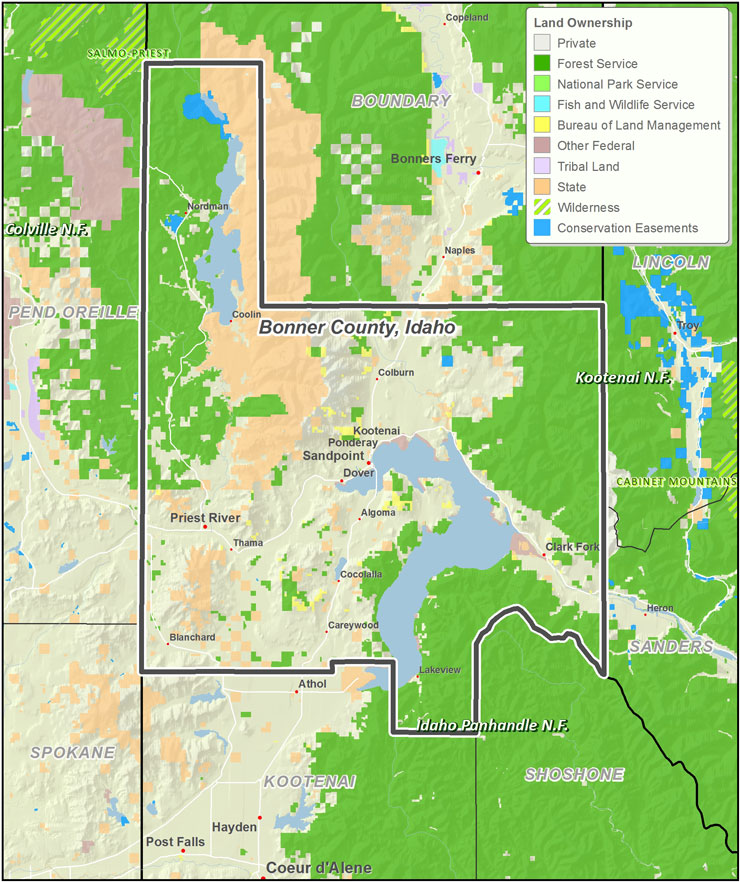
The Idaho Supreme Court ruled on September 24 that two presale contracts for condominium units in Bonner County...