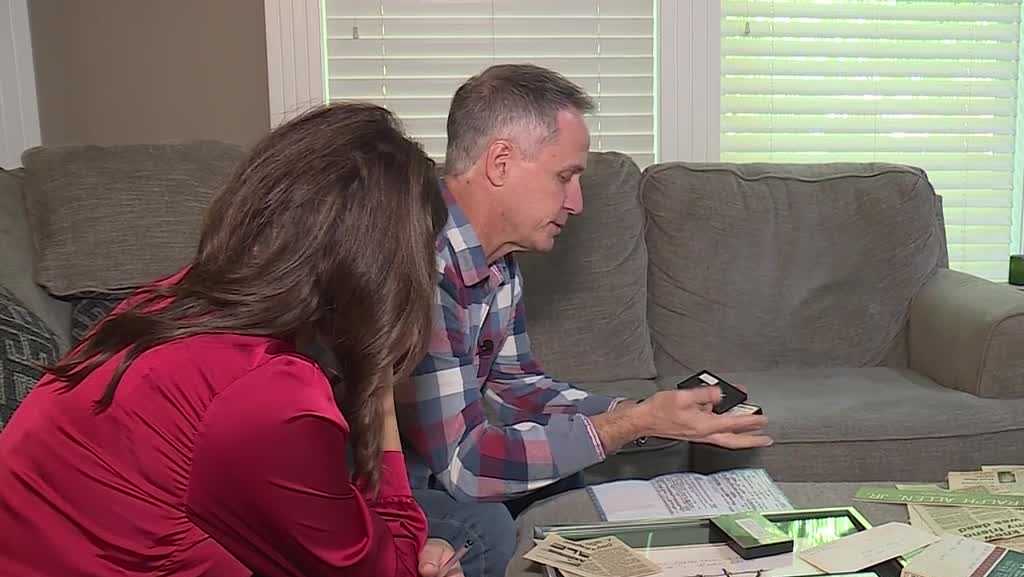
“Everybody from that era is kind of their JFK or their 9/11.” That is how Kevin Patrick Allen describes the lasting psychic scar left on Wichita, Kansas, by a random act of violence that unfolded over just 11 minutes half a century ago. On August 11, 1976, a 19-year-old man armed with two firearms took a position on the 26th floor of a Holiday Inn and began shooting at strangers on the streets below.
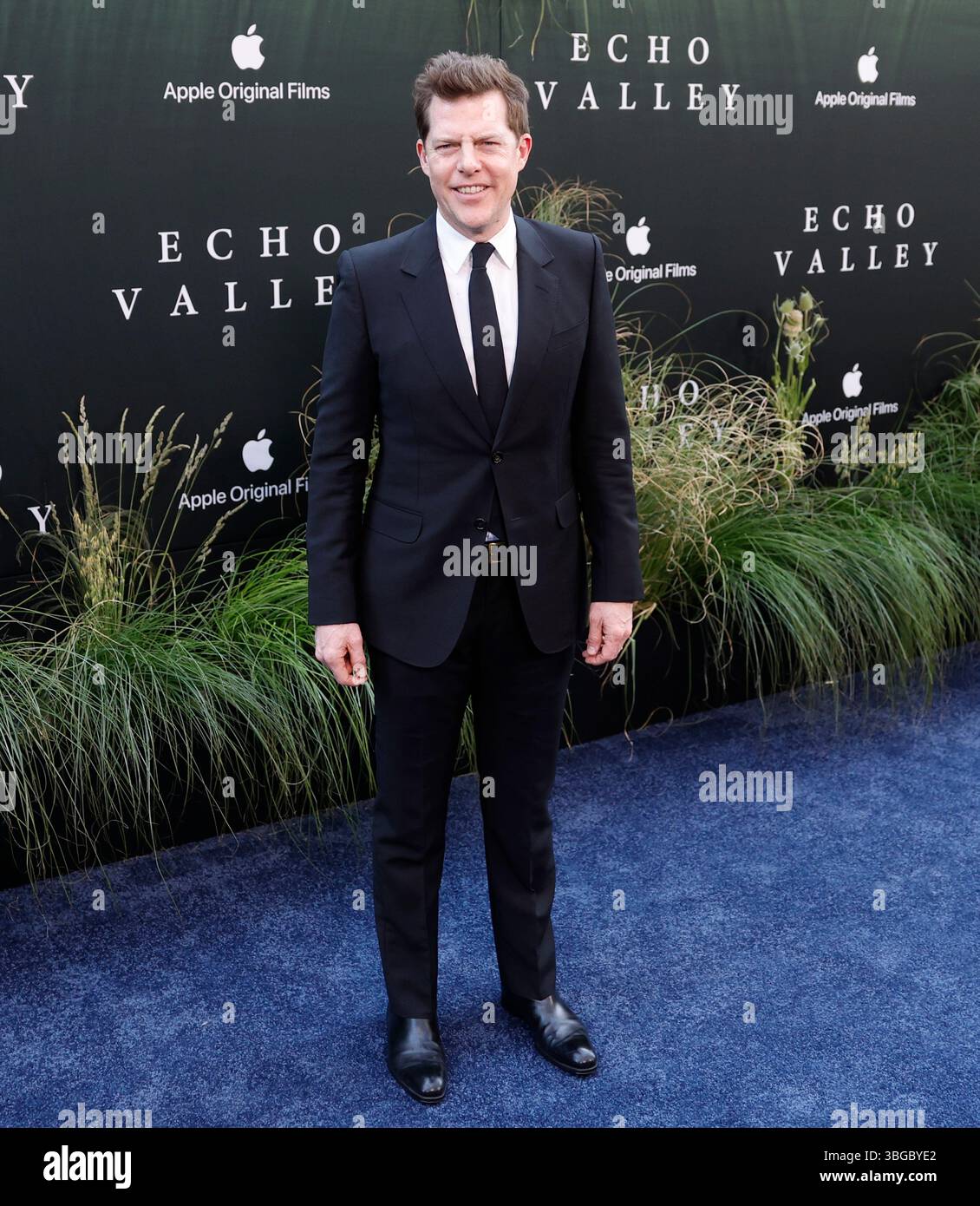
Fifty years later, the tragedy is being revisited through a documentary titled Long Echo. The film, created by Allen, examines the intersection of trauma and forgiveness, moving beyond the immediate horror of the sniper attack to explore how survivors and the families of victims have navigated the five decades that followed. The project seeks to provide a platform for those affected to share their stories on their own terms, asserting that while the event was defining, it does not necessarily define the people who have continued to live since that day.
The Human Connection to the Shooter
The impetus for the documentary is deeply personal. Allen was only eight years old when the shooting occurred, but his connection to the event was forged through his father, Ralph Allen. Ralph served as the county jail chaplain and the chaplain at the two closest prisons, a role that brought him into a long-term relationship with the man responsible for the shooting.
This relationship provides the film’s most complex emotional layer. Ralph Allen refused to reduce the shooter to a single label, choosing instead to recognize the shooter’s humanity despite the gravity of the crime. This philosophy of seeing the “complex” nature of a person—even one who has committed an unthinkable act—is the lens through which Kevin Patrick Allen approached the filming of Long Echo.
The documentary includes interviews with the shooter himself. Even five decades later, the man claims he does not fully remember the events of that afternoon. He describes a state of dissociation, alleging that voices were talking to him and instructing him to go to a high place before the violence began.
Healing and the Question of Forgiveness
For the city of Wichita, the 1976 sniper attack wasn’t just a news event; it was a collective rupture.
Long Echo focuses heavily on the trajectory of healing. By interviewing survivors and the families of the deceased, the film asks whether forgiveness is possible—or even necessary—for the process of moving forward. It contrasts the shooter’s claims of memory loss and auditory hallucinations with the enduring, concrete grief of the families left behind.
“I think it’s important to go back to get the full story to give them a chance to share what they want to share.”
This pursuit of the “full story” serves as a counter-narrative to the way tragedies are often archived. By returning 50 years later, the film shifts the focus from the act of the crime to the endurance of the survivors.
The Legacy of Random Violence
The documentary Long Echo is currently available for streaming at www.longechofilm.com.
Related reading

Children’s Mercy to stop ACA coverage starting January 1
Children’s Mercy announced patients won’t be covered by Affordable Care Act (ACA) insurance starting January 1, leaving families...

Families and businesses across Iowa and Wisconsin are looking at a potential $1 billion reduction
Families and businesses across Iowa and Wisconsin are looking at a potential $1 billion reduction in electricity costs...

NFC West Arms Race: Potential Trade Targets for the LA Rams
The Los Angeles Rams are currently staring at a mathematical gap in the NFC West that feels wider...
Northwestern Volleyball Plays Illinois and Hosts Rutgers This Weekend
The Northwestern Wildcats volleyball team enters a weekend of Big Ten action, beginning with a match against Illinois...