
In a column for the Juneau Empire, veteran Alaska journalist Larry Persily argues that in an age of algorithm-fed misinformation, the only things that truly have to be real are the ones that matter most to us personally — and he makes that case through the unforgettable stories of a single ride-share driver. The column, titled “OPINION: Only the important things in life have to be real,” also appeared in the Peninsula Clarion on November 4, 2026.
Persily, a longtime Alaska journalist who has taken breaks for federal, state and municipal public policy work in Alaska and Washington, D.C., and who lives in Anchorage as publisher of the Wrangell Sentinel weekly newspaper, writes that he likes talking with taxicab and ride-sharing drivers because it pulls him out of his own echo chamber. Those conversations, he notes, introduce him to new ways of looking at the world, and the entertainment comes with the fare — like paying for a movie, though he would never eat popcorn in the backseat of a taxi.
A Reunion That Made Everything Else Fade
Recently, Persily writes, he enjoyed one of the best rides he has ever had. The driver told him two stories, both remarkable — one for its happiness, and one for what it revealed about how convincing TikTok has become as a news source for many people.

The first story had a happy ending. The driver described how her teenage mother had given her up for adoption at birth, and how she had always wondered what her mom was like. She never blamed her mother, accepting that it was the best decision her mom could have made under the circumstances, but she never gave up trying to connect. Working her way through social service agencies and closed adoption records, she found an agency that agreed to deliver a letter to her mother expressing her daughter’s interest in meeting. She laughed recalling how the agency tracked her mom down at her job and handed her an official-looking envelope — and how her mom feared it was a notice from a collection agency. After reading it, she realized it was a different kind of past-due notice: her daughter wanted to see her. They met, they talked, and they shared the lives each had missed.
TikTok User Describes Data Center Myths
Then the conversation shifted, though Persily is not sure why, to data centers — and that is when he learned the driver gets all of her “news” from TikTok. She told him data centers have single buildings that stretch for miles under one roof, and that developers dig down 50 feet or more, probably to hide secret things underground. She was particularly concerned about those 50-foot-deep holes and why no one knows about them, as if anyone could hide a hole as deep as a five-story building. She went on reciting what she had learned about data centers from TikTok, all of it pretty unbelievable to Persily, who was along for the ride and not there to debate.
“The players who would have the billions of dollars to explore, develop, produce are not bidding,” said longtime Alaska oil and gas industry observer Larry Persily. “They're not at the table, they have no appetite for it.”https://t.co/rea2QfyGUR
While discussing her reliance on TikTok and her distrust of every other news source, she asked Persily whether he knew about all the pyramids hidden around the United States — real Egypt-like pyramids built of limestone blocks, real though secret to all but a few people. She knows they are real because she saw them on TikTok. Persily did not ask for the locations; he did not want to know, in case he had been to the town and missed a 100-foot-tall pyramid in front of his trifocal eyes. The driver is totally convinced the pyramids are real even though she admits she does not know anyone who has seen them in person.
The Column’s Quiet Verdict
Persily writes that he considered telling her TikTok and social media are full of made-up “news” and manipulated photos. But she seemed so happy at finding her biological mother that he decided he had no standing to question what she believes is real. She now knows her mom is real, he concludes, and after that, the pyramids really do not matter.
The column lands its point without lecturing: the driver’s joy at reuniting with her mother is genuine and verifiable, while the mile-long buildings and buried pyramids exist only in a feed. In an information environment where a single app can feel more authoritative than agencies, records and firsthand witnesses, Persily’s argument is that reality still has a way of asserting itself where it counts — and that the rest may simply be noise we choose not to fact-check when something real has already touched us.
Read the original column in the Juneau Empire and the Peninsula Clarion.
Worth a look

University of Michigan Hires ZRG Partners to Lead Search for New Athletics Director Amid Organizational Restructuring (Nov. 4, 2026)
Sixty-eight thousand students, more than 668,000 living alumni, 29 NCAA-sanctioned sports, and a department that has won more...

DOER to hold training for officials on MESH clean energy portal
Municipal officials, developers, state agencies, and residents across Massachusetts now have a single free online hub where clean...
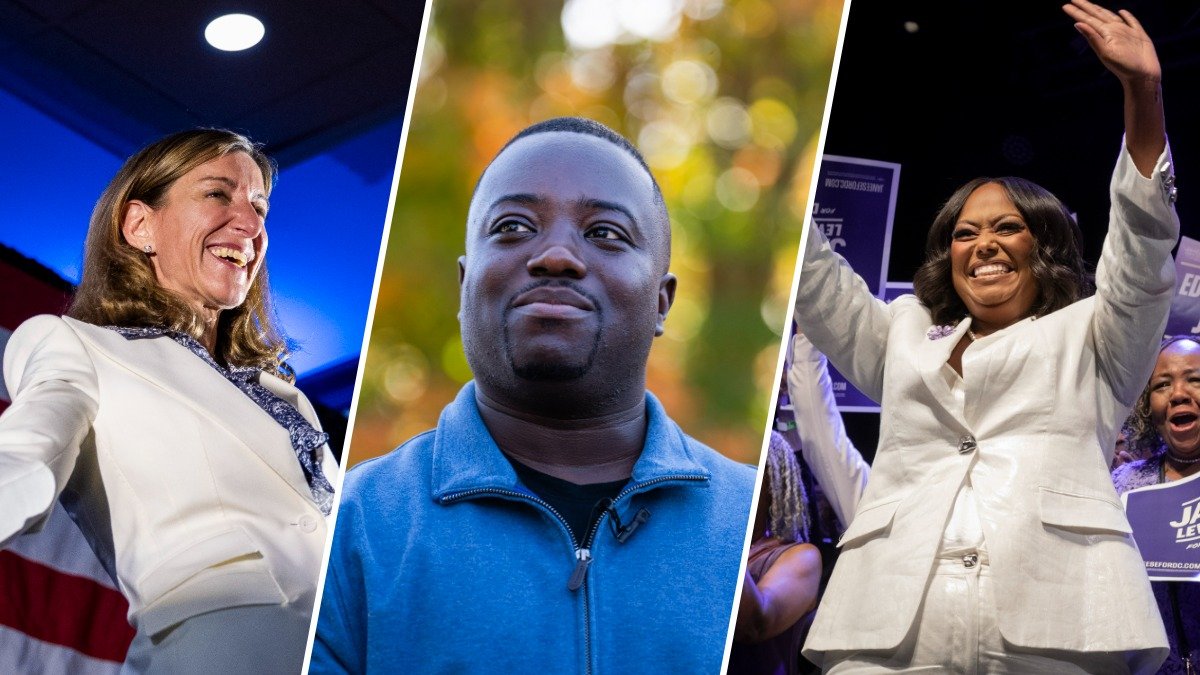
D.C. Democratic nominee wins all eight wards in landslide, topping 75% in each
In Washington, D.C., Janeese Lewis George soared to victory in all eight wards Tuesday night. As of Wednesday...

CEI Offers Certified Homebuyer Education and Counseling in Maine
Eight hours. CEI delivers a comprehensive, eight-hour homebuyer education program throughout Maine, a state-certified course designed to prepare...