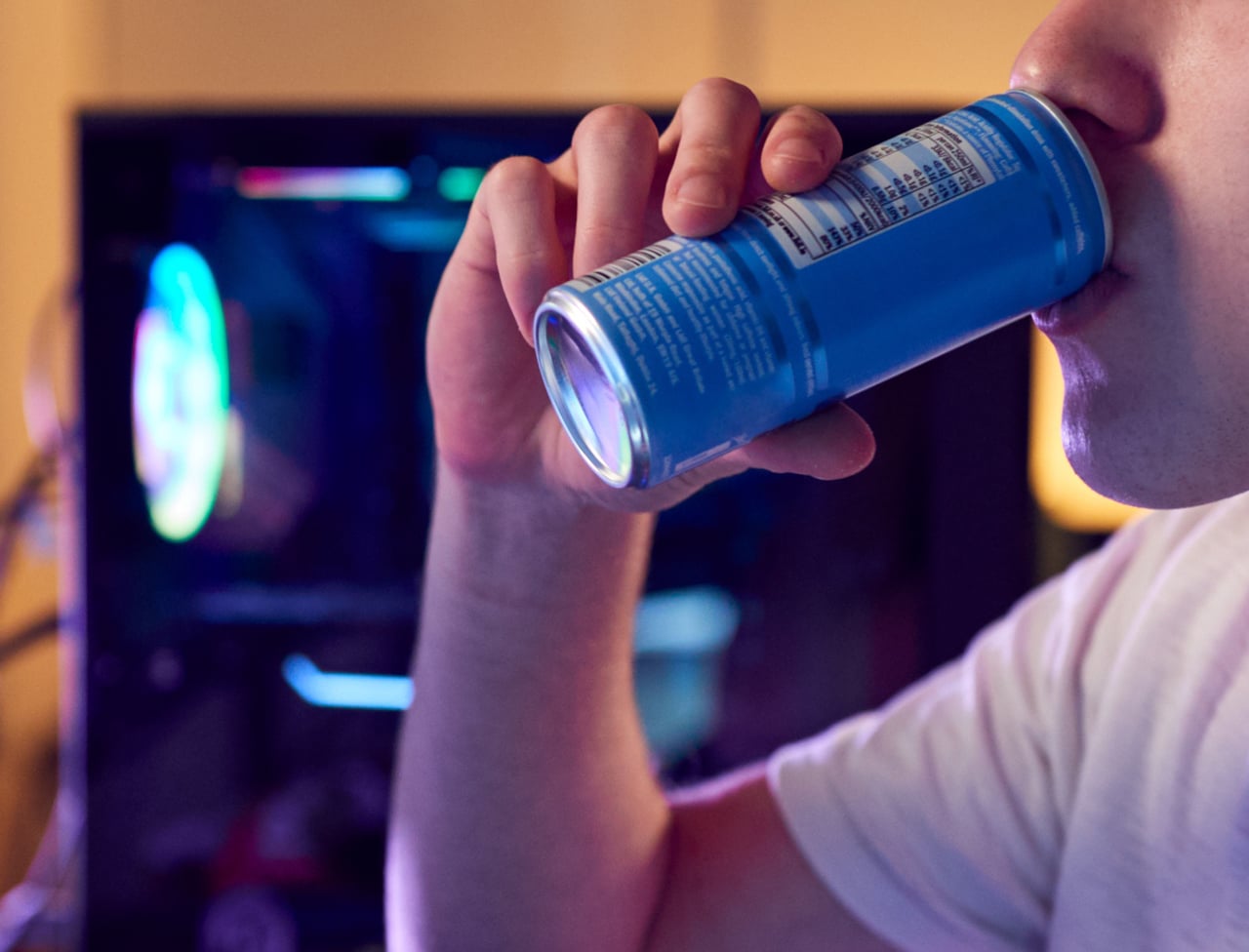
Energy drinks and stimulant supplements appeared disproportionately in reports of cardiac arrest and heart attacks, especially among young adults ages 18 to 34, according to a new analysis of FDA adverse event data. The study, set to be presented at the American Heart Association’s Scientific Sessions in Chicago, found that products containing caffeine or other stimulants were associated with 11 times more reports of cardiac arrest than other products.
Study Details: What the FDA Data Reveals
Researchers at the University of Virginia School of Medicine examined 28,345 adverse-event reports submitted to the FDA from 2017 to 2025, involving people aged 13 and older. Among these, 854 reports mentioned caffeine or stimulant-containing energy drinks or dietary supplements. When compared to 27,491 reports involving products without these ingredients, the study found stark differences in heart-related event reporting.
The analysis showed that reports of cardiac arrest were about 11 times more common with caffeinated and stimulant-containing products. Heart attacks were reported 4.5 times more often, while ventricular arrhythmias and palpitations each appeared about 4 times more frequently. Other reported issues, including elevated heart rate, chest pain, and fainting, followed similar patterns.
Young Adults at the Center of Concern
Almost half—45%—of the reports linking caffeinated products to cardiovascular events involved adults aged 18 to 34, a demographic usually seen as low-risk for heart issues. The pattern appeared in both men and women, but doctors are still trying to figure out why young adults appear to be having these events more often after using these products.
Possible explanations cited by researchers include how often young adults consume these products, taking them before intense exercise, mixing them with other substances, and undiagnosed heart conditions. The study’s author, Sai Samayamanthula, noted that these products are often sold next to soda and bottled water, leading many to assume they carry no real risk.
For many healthy people, if these products are consumed occasionally, the risk is probably small. However, individuals who consume energy drinks or other stimulant-containing supplements regularly can quickly exceed the recommended daily limit for caffeine, so it’s important for people to know that there may be a risk of cardiovascular harm with these products.
Sai Samayamanthula, University of Virginia School of Medicine
Industry Pushback and Study Limitations
The Council for Responsible Nutrition (CRN) has challenged the study’s conclusions. Andrea Wong, Ph.D., CRN’s chief science officer, stressed that the analysis cannot establish causation or gauge consumer risk, explaining that the reported 11-fold difference in cardiac arrest reporting does not imply consumers are 11 times more likely to experience cardiac arrest.
CRN pointed out several limitations, including the grouping of products with widely varying ingredients, inclusion of substances like ephedra and DMAA that cannot legally be marketed in conventional foods, and lack of information on consumption frequency, dosage, and whether directions were followed. The organization also noted that differences in product use, underlying health conditions, and other factors could influence the findings.
Although there are biological reasons why that connection could be possible, the study does not prove that caffeine products cause these events, because other factors may have influenced the results found in this analysis,
said Dr. Gregory Marcus, chair of the 2026 American Heart Association scientific statement on caffeine and cardiovascular disease.
What the Data Means for Consumers
The study highlights a booming industry. Sales of caffeinated energy drinks have more than doubled in the last ten years, surpassing $20 billion in 2024. Some energy drinks contain up to three times more caffeine per fluid ounce than brewed coffee, while certain pre-workout supplements contain more than 12 times as much.
Because energy drinks and stimulant supplements are regulated as foods or dietary supplements rather than medications, they do not undergo the same safety testing before sale. Medical professionals said they should ask young patients experiencing palpitations, chest pain, or fainting about their consumption of these products.
Our findings support the case for more systematic safety monitoring of caffeine- and stimulant-containing products, researchers stated, while emphasizing that more research is needed to determine whether these products are truly responsible for the reported heart-related events.

Ollie Watkins Wife Returns to UK Due to Saudi Arabia Security Concerns
Ellie Watkins, the wife of England striker Ollie Watkins, has returned to the United Kingdom with the couple's...

Joe Scarborough Claims Pat McAfee Ruined College GameDay
Dan Dakich, the OutKick commentator, unloaded on MSNBC's Joe Scarborough after the "Morning Joe" host claimed Pat McAfee...

LA Kings Recall Connors, Assign Ward to AHL and Slukynsky to Greenville Before Sharks Game
On Tuesday, November 3, 2026, at the Kings' practice facility in El Segundo, the Los Angeles Kings made...

Brewers Manager Pat Murphy Explains Viral Yankees Comments and Call to Brian Cashman
Pat Murphy picked up the phone and called Brian Cashman the morning after his profane on-field remark about...