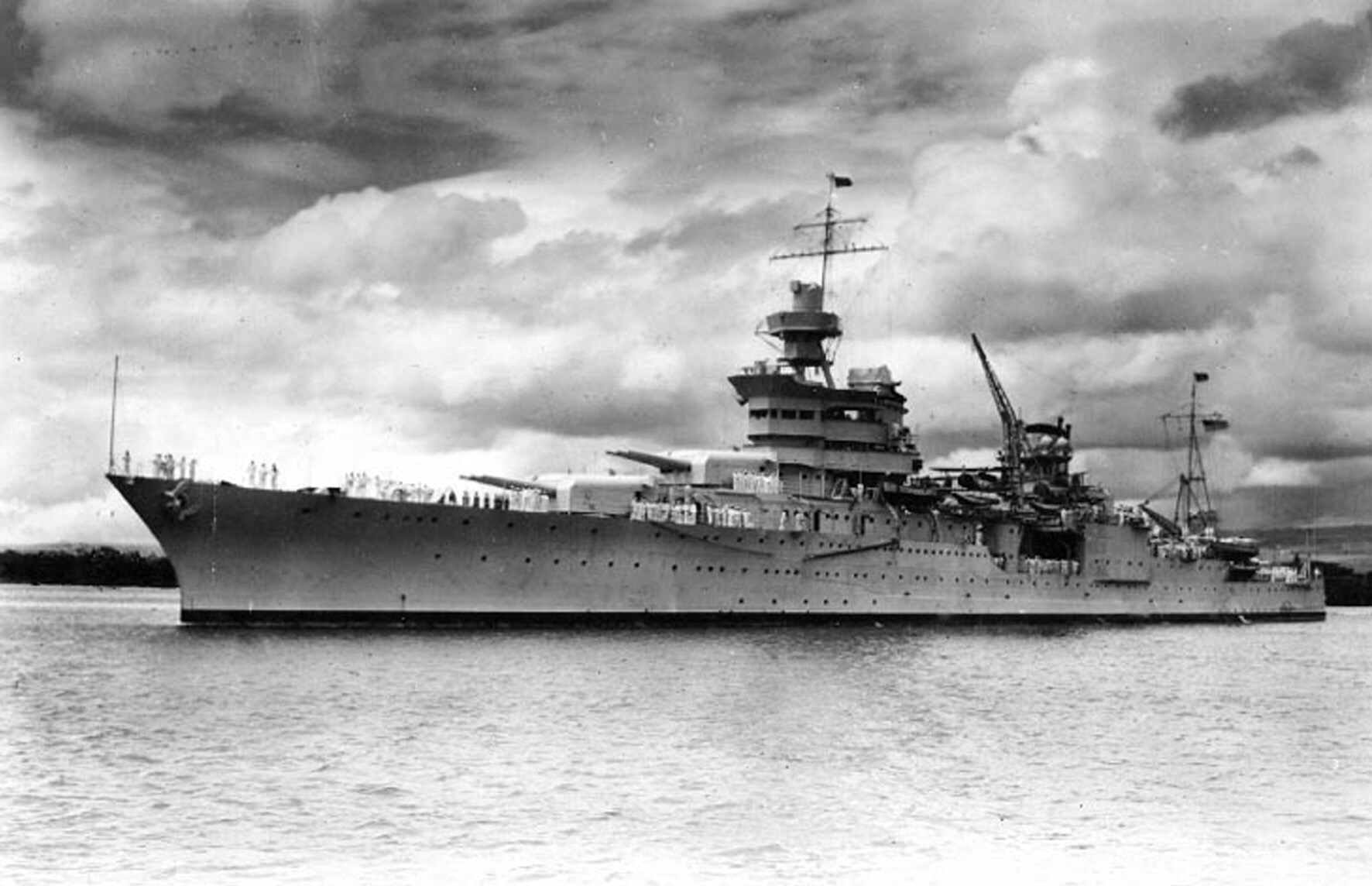
Final Eight Sailors from USS Indianapolis Identified
Eighty-one years after the USS Indianapolis slipped beneath the waves of the Philippine Sea, the last eight men whose fates remained officially unclear have been identified.
While this confirmation offers a long-awaited resolution to a historic tragedy, it arrives with a sobering realization: these sailors had actually been recovered and identified through fingerprints decades ago. According to the USS Indianapolis Legacy Organization, the records confirming their identities were held, but documentation proving that their families were ever notified has never been found.
The identification effort, reported by the Military Times, marks the final chapter in a decades-long pursuit to account for every crew member lost in the U.S. Navy’s greatest single loss of life at sea. The organization is now mounting a search for the surviving relatives of these eight men, hoping to provide the closure that was denied to their families for over eight decades.
The Lost Crew Members
The eight sailors now officially identified are Leonard William Barenthin of Illinois, Clinton Columbus Cavitt of Missouri, Alford Edward Cox of Colorado, Donald William Fleischauer of Nebraska, Charles Lee Myers Jr. of Michigan, Amos Selman of Alabama, Homer Leroy Smith of Indiana, and Lowell Elvis Speer of California. Their names now complete the ledger of those who perished during and after the ship’s final, fateful voyage.
After 81 years, having answers about the fate of these eight men is incredibly meaningful, especially for the families whose loved ones never came home. But our work isn’t finished. We’re still searching for several of these sailors’ families, and we hope that by sharing this story, we can reach them and offer some measure of peace. Every one of these men had a name, a life, and people who loved them. They deserve to be remembered, and their families deserve to know what happened.
This sentiment, shared by Sara Vladic, an honorary survivor and board member of the USS Indianapolis Legacy Organization, highlights the human stakes of the discovery. For the families, the news is not merely a historical footnote, but the completion of a narrative that has been missing for generations.
A Mission of Secrecy and Survival
The catastrophe began shortly after midnight on July 30, 1945, when two Japanese torpedoes struck the starboard bow of the USS Indianapolis. The cruiser had just completed a top-secret delivery of components for the “Little Boy” atomic bomb to Tinian. The crew, including Capt. Charles B. McVay III, were unaware of the significance of their cargo at the time.
The ship sank within 12 minutes, leaving 880 sailors to face the open ocean. Only 316 of the original 1,195 crew members survived the ordeal, which included four days and five nights of exposure, dehydration, and shark attacks.
As noted in the book Indianapolis: The True Story of the Worst Sea Disaster in U.S. Naval History and the Fifty-Year Fight to Exonerate an Innocent Man, the reality of the situation was far grimmer than the sailors initially anticipated.
Harold Bray, the last living survivor of the disaster, recalled the harrowing experience of waiting for rescue that never seemed to come. By the third day, the psychological and physical toll on the men was catastrophic, with many succumbing to saltwater-induced delirium and exposure.
It was not until the morning of August 2 that U.S. Navy pilot Wilbur “Chuck” Gwinn, flying a Lockheed PV-1 Ventura bomber, spotted the survivors by chance while adjusting his equipment.
Closing the Final Gap
Following the rescue, 91 bodies were recovered and buried at sea. Many of these men remained unidentified for years. While 13 of the unknowns were identified in 2022, the final eight remained a mystery until recent investigations by Chief Rick Stone and the Family Charitable Foundation. By accessing previously unavailable government records, the team was able to pinpoint the recovery details for these men.
The work of the USS Indianapolis Legacy Organization continues as they attempt to locate the descendants of these final eight sailors. For the families, the discovery of records that were once hidden or overlooked is a profound, if belated, acknowledgment of their loved ones’ service and sacrifice.
While the military records have finally provided the names, the search for the families serves as the final step in ensuring that each man is remembered by those he left behind.
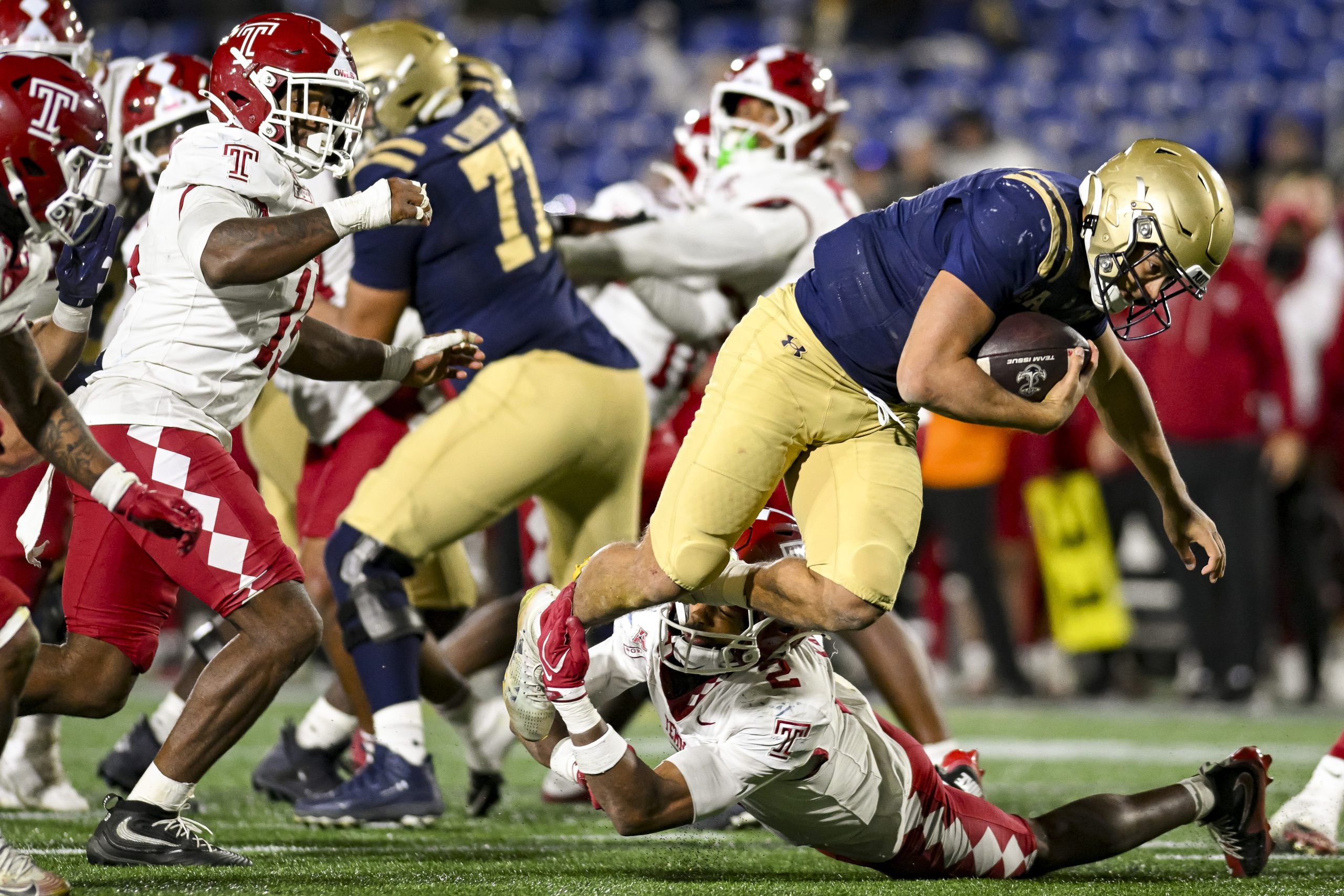
Temple Owls Lose 42-35 to Navy in Annapolis
A Lesson in Annapolis: Football, History, and the Temple Owls Driving down Route 301, the world seems to...

No. 24 Kentucky Faces No. 15 Kansas in Champions Classic Showdown
No. 24 Kentucky hits the road for the first time this season on Tuesday, facing 15th-ranked Kansas in...
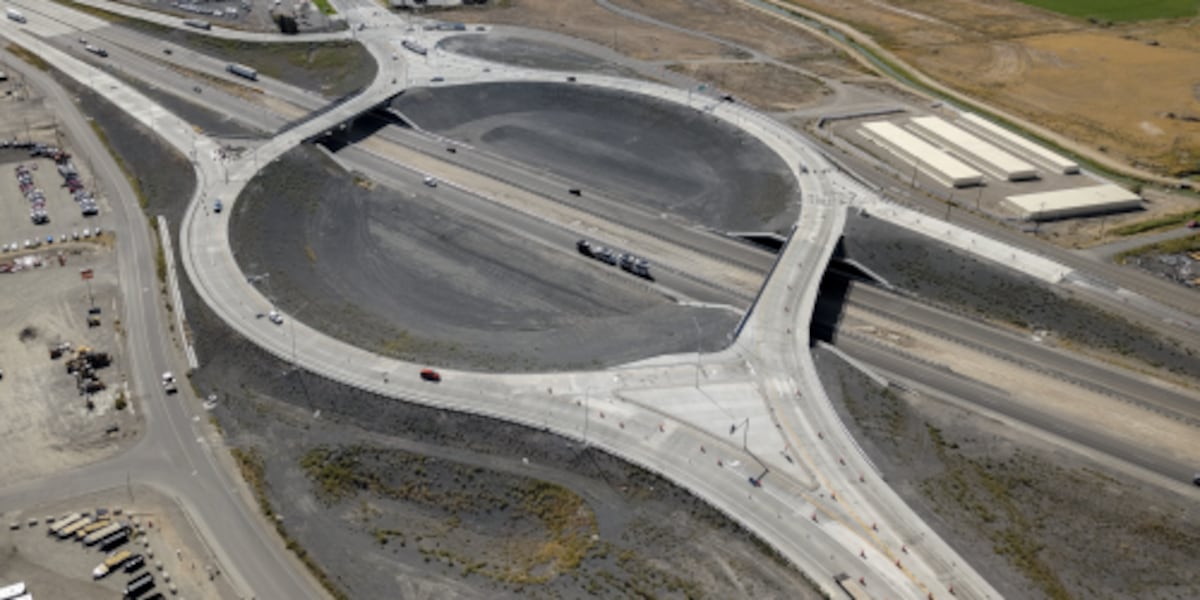
New I-84 Lanes to Open Near Twin Falls After Weekend Traffic Shifts
New I-84 lanes near Twin Falls Interchange The Idaho Transportation Department is preparing to open new lanes on...

Max Johnson, Alonzo Jackson Jr. and Morgan Suarez Earn Sun Belt Honors
Georgia Southern quarterback Max Johnson threw for four touchdowns during a 49-13 win over Marshall, tying the program's...