
The 16,000 Listener Exile: Why RTÉ’s Drivetime Is Losing Ground in Ireland’s Radio Wars
In the high-stakes arena of Irish radio, where audiences are measured in the tens of thousands and a single show can define a station’s fortunes, the latest JNLR figures have landed with a thud. RTÉ Radio 1’s Drivetime, the network’s flagship afternoon program, has lost listeners. The Journal reported that since the program’s relaunch with hosts Katie Hannon and Colm Ó Mongáin, its audience has changed.
This isn’t just a dip; it’s a rout. The station’s own Morning Ireland remains the undisputed heavyweight of Irish radio, pulling in 464,000 listeners daily, according to The Irish Times. Yet, this crown jewel can’t hide the fact that RTÉ is facing a formidable challenge from its scrappy rivals. Newstalk, in particular, has been on a tear, with its weekly audience climbing to a record 882,000, driven by powerhouse hosts like Pat Kenny and Claire Byrne. The data, a snapshot of the 12-month period ending in September 2026, paints a clear picture: the battle for Irish ears is more competitive than ever, and RTÉ’s traditional dominance is being actively eroded.

The Relaunch That Backfired
The decline of Drivetime is a case study in the brutal calculus of audience retention. Last November, RTÉ Radio 1 rolled out a new schedule, an ambitious move to shake up the afternoon slot. The program’s start time was changed, and the team of Sarah McInerney and Cormac Ó hEadhra was replaced by Hannon and Ó Mongáin. The gamble was clear: inject new energy and fresh voices into a proven time slot. The results, however, tell a story of creative miscalculation. The previous Drivetime exited the airwaves with 222,000 listeners. The new version began with an audience and has since seen a change, reaching a different number last quarter and now another.
Patricia Monahan, director of audio at RTÉ, offered a bullish spin, describing the figures as “very encouraging, particularly for RTÉ Radio 1.” She pointed to “significant growth” in other areas, such as Kieran Cuddihy’s Liveline, which added 14,000 listeners to reach 268,000. Cuddihy, who took over from the legendary Joe Duffy in November 2025, told RTE.ie he was “delighted” with the numbers, crediting his team and listeners. “Every day is different and exciting because Liveline is just such an incredibly unpredictable show,” he said. While Monahan’s optimism may reflect the station’s broader portfolio, the stark reality is that a flagship program is bleeding listeners, a fact that cannot be glossed over by gains elsewhere.
Newstalk’s Aggressive Play for Listeners
As RTÉ struggles to hold its ground, Newstalk is seizing the moment with a disciplined and effective strategy. The station’s managing editor, Eric Moylan, called the results “excellent figures,” claiming they “clearly show that the new schedule is landing with the public.” This new schedule has been built around its star attractions. Pat Kenny, the veteran broadcaster, has set new records for weekend listenership, his Saturday show growing by 8,000 to 175,000, and his Sunday show by 12,000 to 134,000. But the real story is Claire Byrne. Her mid-morning show has added 12,000 listeners, swelling its audience to 222,000—a figure that now rivals the old Drivetime numbers and directly competes with Today FM’s The Last Word with Matt Cooper.
Newstalk’s strategy is a masterclass in demographic targeting. The Hard Shoulder, presented by Shane Coleman and Ciara Kelly, has seen a massive jump of 17,000 listeners to 170,000. The station’s weekend coverage, particularly Off The Ball, has also seen explosive growth, with its weekend show adding 29,000 listeners to hit 162,000. This isn’t accidental; it’s a calculated effort to dominate talk radio and current affairs, precisely the space where RTÉ’s Drivetime once reigned supreme. The data shows that listeners are actively choosing the sharper, more combative tone of Newstalk, a platform that has successfully cultivated an identity as the go-to station for debate and analysis.

The Enduring Power of Local and the Future of Listening
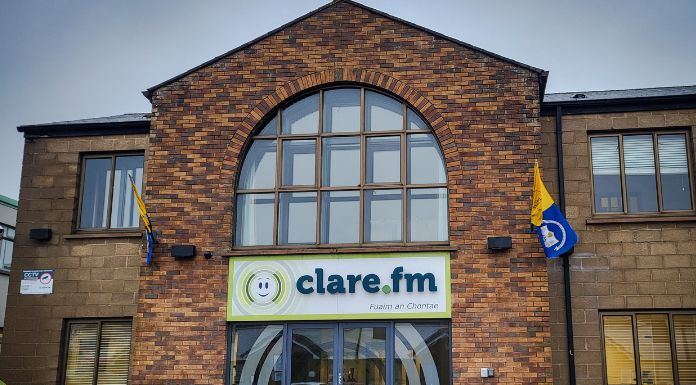
While the national stations fight for supremacy, the real story of radio’s resilience lies at the local level. The JNLR survey reveals that over 2.2 million adults tune into local or regional radio every weekday, a powerful testament to the enduring value of community-focused content. KCLR 96FM, for example, serves 72,000 adults weekly in Kilkenny and Carlow, capturing over half the population of both counties. Its programming director, Padraic Flaherty, celebrated the station's market share of 35.4%, a figure that shows the deep trust listeners place in their local voices. Stations like Clare FM also held strong, retaining its position as County Clare’s number one station with 54,000 weekly listeners.
This local strength is amplified by how people are consuming radio. The listening habits are evolving, with 12% of all radio now happening through connected devices, a figure that jumps to 19% among the crucial 15-34 demographic. Smart speakers alone account for 8% of total listening. This evolution, highlighted by KCLR, shows that while the delivery method is changing, the fundamental appeal of radio—trusted information, compelling storytelling, and community connection—remains potent. The question for national broadcasters like RTÉ is how to adapt their model to compete not just with each other, but with the deep, unshakeable loyalty local stations have built.
The stakes in this radio war are immense. For RTÉ, a public broadcaster, audience figures are not just about bragging rights; they are tied to public funding and mandate. For commercial rivals like Newstalk and Today FM, audience share is directly convertible into advertising revenue. The Drivetime program’s audience has changed, while Newstalk’s audience has also changed. The art of broadcasting is still about connection, but the business of it is unforgiving. In the end, the numbers don’t lie.
Disclaimer: The cultural analyses and financial data presented in this article are based on available public records and industry metrics at the time of publication.
Worth a look
Habiba Nosheen on Her New Documentary The Gymnasts of Fisherman Colony
A New Documentary Finds Joy in a Pakistani Gymnastics Revolution For Emmy- and Peabody-award winning filmmaker Habiba Nosheen,...
Binance hack prompts US regulators to check bank systems, sources say
The world’s largest cryptocurrency exchange, Binance, confirmed on October 29, 2026, that it had been hit by a...

Actress Kimmarie Johnson Dead at 50 After Heart Event
Actress Kimmarie Johnson, best known for her roles in "Beverly Hills, 90210" and "Dude, Where's My Car?", has...

Brent Crude Slumps as Democratic US Election Win Boosts Asian Stocks
Asian stocks rallied on Thursday, November 5, 2026, as oil prices plunged following a Democratic sweep in the...