
Construction crews are officially breaking ground this Saturday on a new landmark in Mason, Ohio, marking the start of a project that will soon serve as the third temple for The Church of Jesus Christ of Latter-day Saints in the state. The site, located at the corner of Mason-Montgomery Road and Cedar Village Drive, will host a 30,000-square-foot, single-story structure designed to anchor the faith’s footprint in the region.
For the estimated 20,000 church members across Cincinnati, Dayton, and Northern Kentucky, the building represents more than just new architecture. As reported by WVXU, the facility addresses a significant logistical hurdle: the commute. Currently, members seeking to attend temple services—which are distinct from the weekly worship held in local chapels—must travel to Columbus. That journey often consumes three hours of round-trip driving time, excluding the hours spent in worship.
Jared Mattingley, stake president of the Cincinnati North Stake, emphasized the human impact of this geographic shift. “It gives you more time to actually worship in the temple rather than spending that driving,” Mattingley noted, framing the project as a practical and spiritual asset for the local congregation. He expects the construction process to span approximately two years.
A History of Expansion
The Mason temple is the latest chapter in a long, complex history of the Latter-day Saints in Ohio. While this will be the third modern temple in the state—following the 1999 opening of the Columbus temple and the debut of a Cleveland facility earlier this year—the region holds deeper historical significance for the faith. The Kirtland Temple, completed in 1836, served as the church’s original headquarters. That historic site remains standing today, though it serves a different function than the specialized, modern temples currently being built.
In the contemporary context, these new buildings are reserved for sacred ceremonies. Once construction concludes, the church plans to open the Mason facility to the public for a series of free tours. Following that window, access will be restricted to members in good standing. This two-tiered approach to access—public engagement followed by private, liturgical use—is a standard practice for the church’s global temple operations.
The Stakes of Local Development
The scale of the project on the 35-acre Mason plot highlights the church’s commitment to providing localized access for its 65,000-plus members in Ohio. Yet, the development also invites questions about the evolving landscape of suburban religious infrastructure. As these structures rise, they occupy large swaths of land and represent a significant investment in permanent, highly crafted facilities.

“These are beautiful facilities. If you think about in the Catholic Church, you’ve got these beautiful cathedrals where the level of craftsmanship and detail is so much greater than just your regular church building. These are very similar. The level of craftsmanship is top notch,” says Mattingley.
The project, first announced in 2024, moves forward despite broader economic questions regarding the rising costs of commercial construction and land use in high-growth suburbs like Mason. The church has not yet disclosed the total capital expenditure for the project, nor has it detailed how the facility will integrate with existing traffic and utility infrastructure on Mason-Montgomery Road. For now, the focus remains on the transition from the planning phase to the physical reality of a construction site.
With the groundbreaking now underway, the focus shifts to the two-year timeline. Whether the presence of a new, specialized religious landmark will alter the social fabric of Mason remains to be seen. For the members who previously spent their weekends on I-71, the change is a welcomed reduction in distance; for the surrounding community, the arrival of the structure introduces a new, quiet presence into the regional landscape.
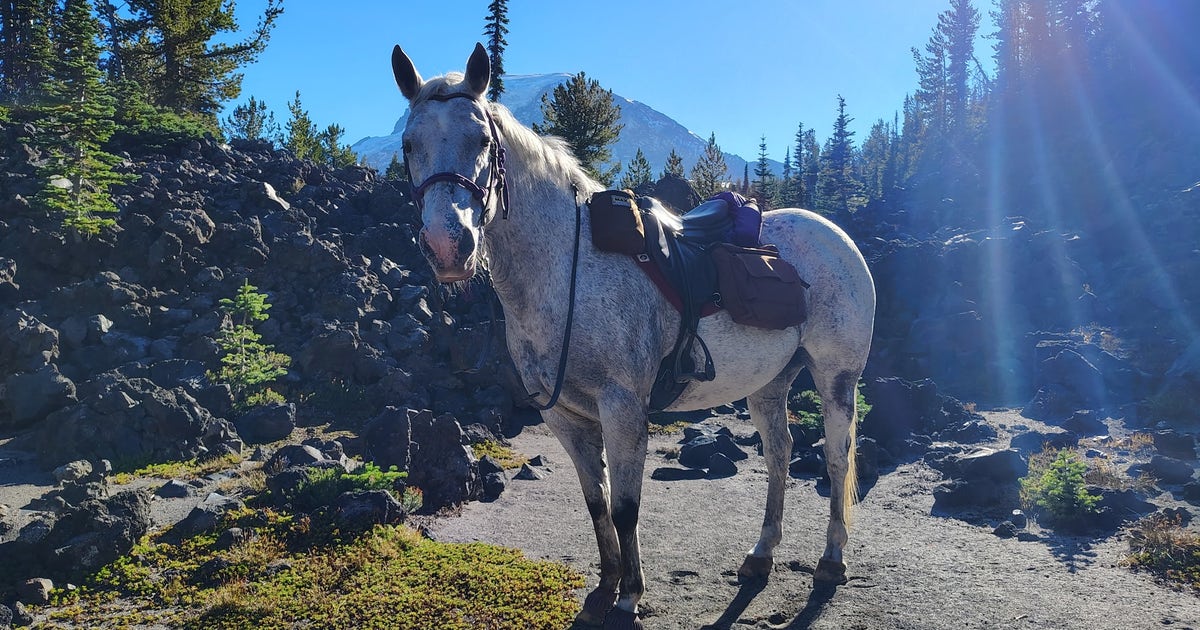
Marysville family searches for horse Cheyenne missing in Mount Adams Wilderness
For the Hoemann family in Marysville, Washington, the barn has felt significantly quieter since early October. A trail...
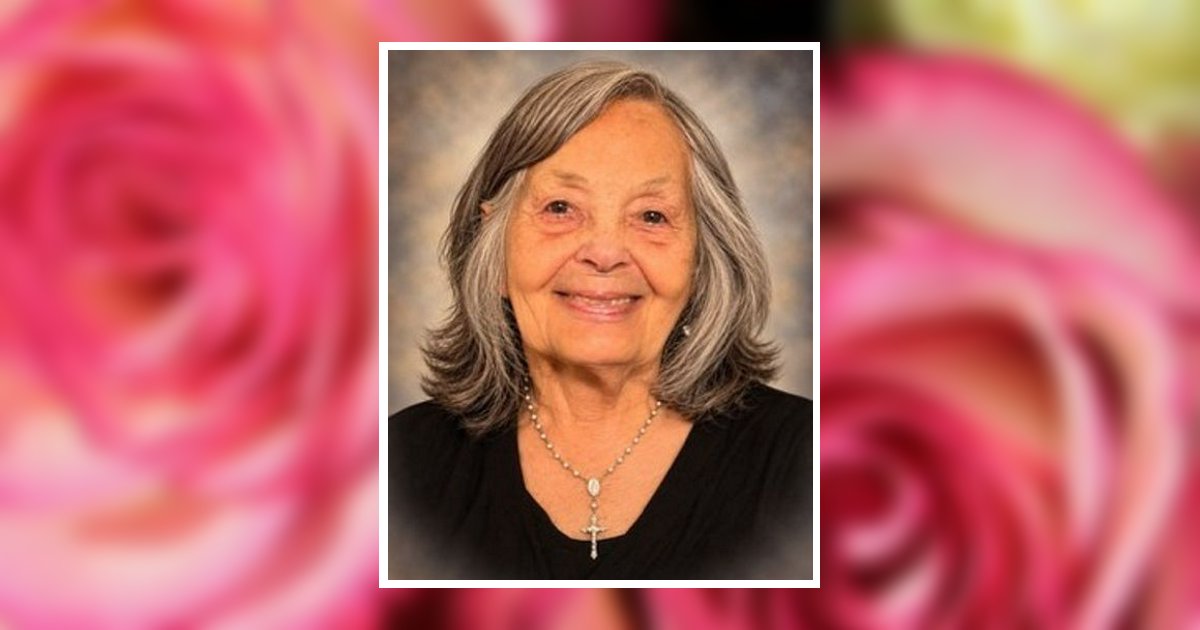
Virginia Morales Cedeño Obituary: A Legacy of Family and Passion
Virginia Morales Cedeño: A Life Defined by Family and Community Virginia Morales Cedeño, whose life spanned nearly a...

Phil Scott Victory Highlights Why Pre-Election Polls Failed
The 14-Point Discrepancy in Vermont’s Gubernatorial Race When the final ballots were tallied on Tuesday, the results in...
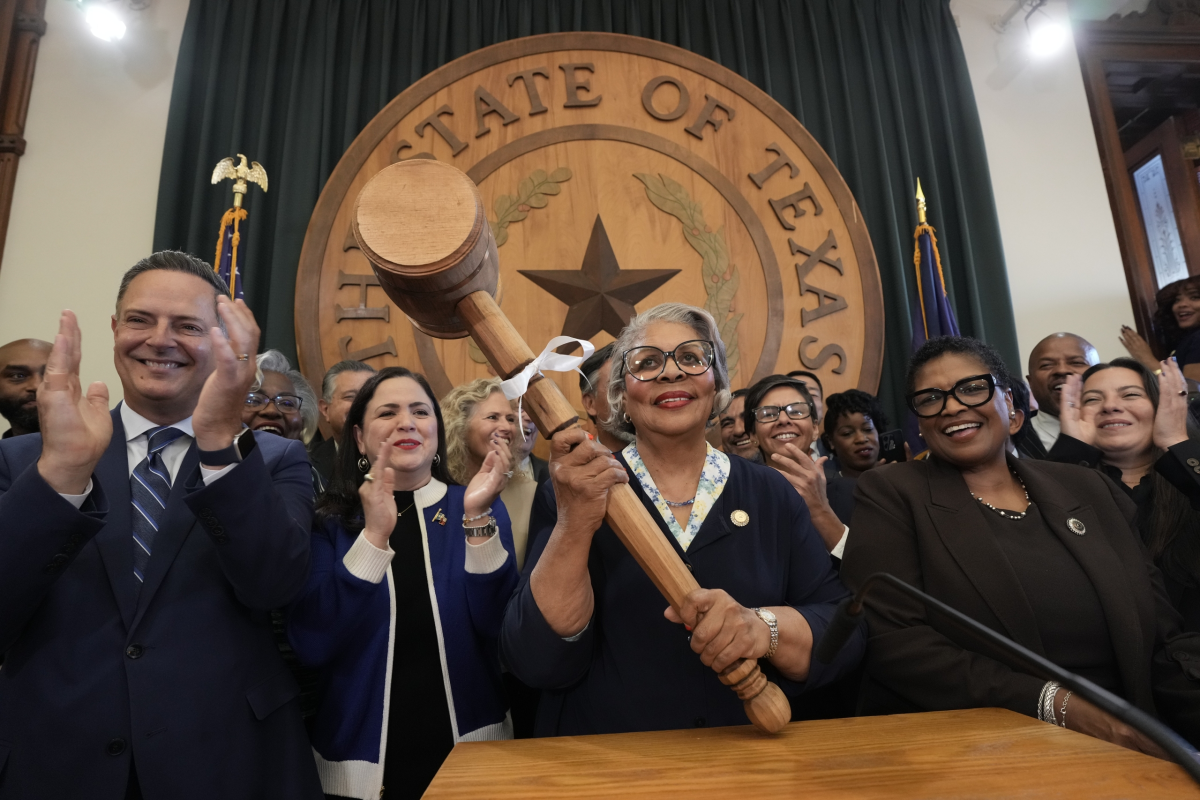
Senfronia Thompson Claims Enough Votes to Become Texas House Speaker
A Historic Shift in the Texas House State Rep. Senfronia Thompson, a fixture of the Texas Legislature since...