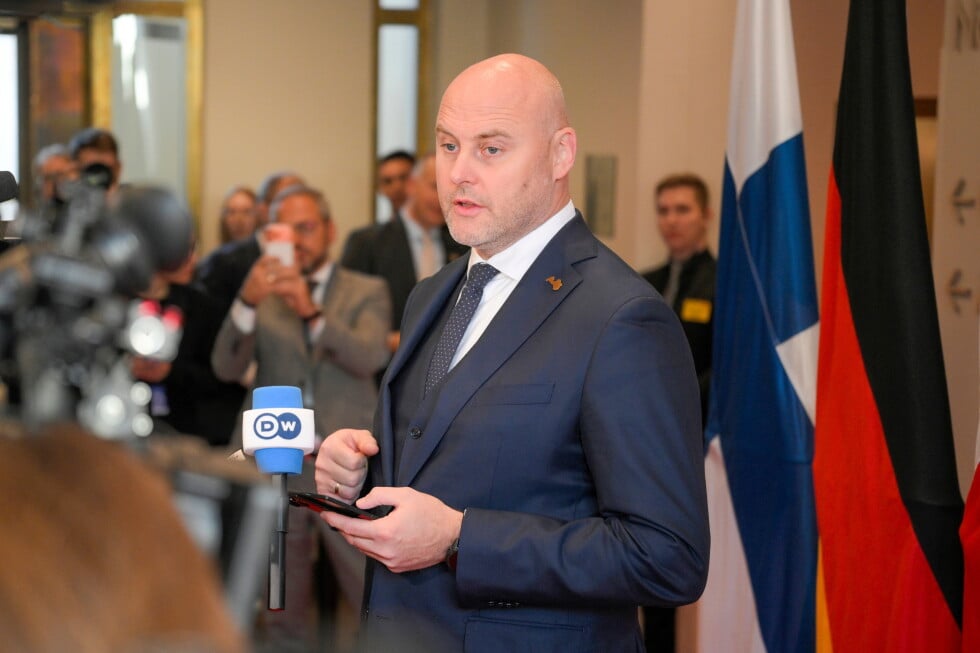
Latvia recorded the lowest voter turnout in parliamentary history as just 51.6% of registered electors cast ballots in the October 3 election, according to Central Election Commission data. Incumbent Prime Minister Andris Kulbergs led exit polls with 35.6% of the vote amid intense regional security concerns.
Voter participation hit a new low during the 15th Saeima elections, falling below the previous record set in 2018. Out of 1,557,615 registered voters, approximately 804,180 people participated, representing a 51.6% turnout rate according to figures from the Central Election Commission.
Ahead of the vote, media outlets and political campaigns had saturated public discourse with warnings about the high stakes involved, frequently describing the contest as the most important election for years
. Yet half the eligible population chose to stay away.
President Edgars Rinkevics cast his ballot at a polling station in Riga on Saturday, October 3, 2026. Speaking to journalists after voting, Rinkevics noted that choosing a party is not simple but stressed that citizens must make their own choice rather than letting someone else decide for them.
Prime Minister Andris Kulbergs Leads Centrist United List in Early Exit Polls
Despite the subdued turnout, incumbent Prime Minister Andris Kulbergs secured a commanding lead for the centrist United List party. Exit polls published by Latvian public broadcaster LSM projected the governing party at 35.6% of the vote, with partial returns showing the party on 36.5% after 72% of ballots were counted.

It’s remarkably good. I was not expecting such a result.
Andris Kulbergs, Prime Minister of Latvia
Kulbergs came to power in May after the previous coalition crumbled over a backlash from stray drone incursions. Throughout the campaign, he led the United List alliance and stated his intention to put Latvia on the right track for defense and the economy, noting that a strong economy can only bring strong defense.
Security Pressures and Defense Spending on NATO’s Eastern Flank
Geopolitical tensions cast a long shadow over the ballot box. Four German Air Force Eurofighter jets stood ready at Lielvarde military air base, situated just 60 kilometers from Riga, strengthening Baltic air defenses following repeated drone incidents in regional airspace. Intelligence officials across Europe warned that neighboring Russia might test NATO resolve.
Latvia has committed to robust military funding. The nation allocated nearly 5% of its gross domestic product to defense, with Ministry of Defence budget planning placing spending at about €2.16 billion for 2026. Maris Andzans, director of the Center for Geopolitical Studies in Riga, noted that there is no better place than the Baltic states to test NATO
.

Rise of Populist Parties and Fragmentation of the Russian-Speaking Electorate
While mainstream centrists defended their pro-Ukraine stance, populist and anti-establishment groupings made significant gains by focusing on domestic economic pressures and cost-of-living concerns. Following United List in the partial results was the MAGA-style Latvia First party led by Ainars Slesers on 13.0%, while the pro-Russian Sovereign Power party stood at 10.5% and the hardline nationalist National Alliance polled at 9.6%.
These populist factions successfully courted portions of the ethnic Russian minority, roughly one in four citizens, who experienced a fragmented political landscape after the historic decline of older parties like Harmony.
Although exit poll projections placed Kulbergs’ party well ahead, forming a stable government will require delicate coalition negotiations. The Prime Minister stated that he would not want to govern with Latvia First, leaving the final shape of the 100-seat Saeima subject to intense parliamentary bargaining as official paper ballots are counted.
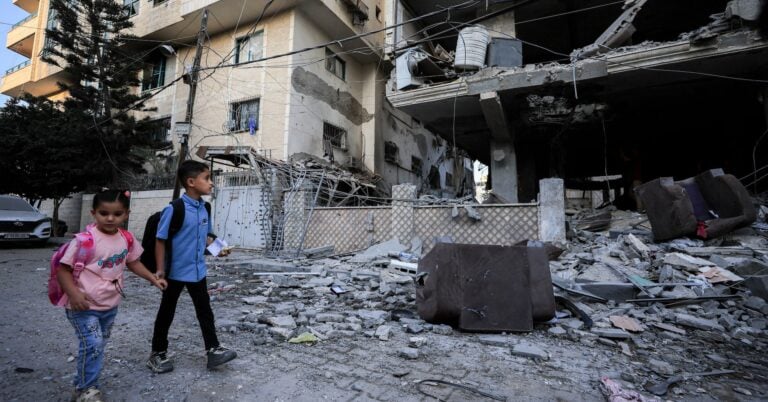
Israeli Airstrike Kills Five in Gaza City Apartment Building
An Israeli airstrike destroyed an apartment building in western Gaza City early Saturday, killing at least five Palestinians,...
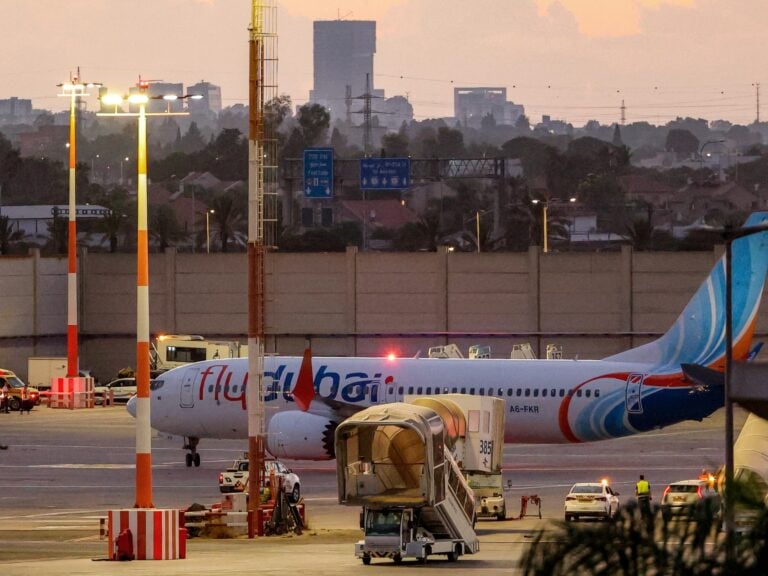
174 Passengers Narrowly Escape as Flydubai Co-Pilot Attacks Captain
A Flydubai co-pilot attacked his captain with a crash axe and attempted to down a Tel Aviv-bound flight...

Ethiopian Forces Recapture Alula Aba Nega Airport as TPLF Flees Mekelle
Ethiopian military and pro-government forces have recaptured Alula Aba Nega Airport in Mekelle, driving Tigray People’s Liberation Front...
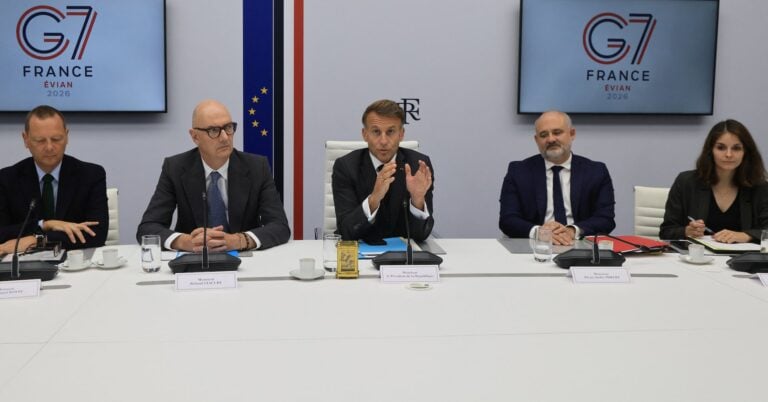
G7 Leaders Agree to Release 100 Million Barrels of Oil and Diesel
Group of Seven leaders agreed on Friday to release 100 million barrels of emergency oil and diesel reserves...