
Journalist Laura Leslie argues that Democrats must prioritize decency and civility to regain the trust of a disillusioned American electorate, according to a column in the Richmond Observer.
Writing as a member of the Generation X cohort, Leslie suggests that the foundational American values of fairness and kindness have been eroded by a decade of political volatility. She posits that the current political climate has moved beyond mere social media disagreements into systemic issues involving high-ranking officials and taxpayer-funded institutions.
The Richmond Observer reported that Leslie views the recent surge in voter turnout not merely as a reaction to economic factors like gas prices, but as a deeper moral repudiation of the current political situation. She draws a historical parallel to the political shifts seen in 1974, a year when voters reacted to the Watergate scandal and the Vietnam War.
Leslie identifies several specific areas where she believes the standard of leadership has failed. She points to instances of overt racism, sexism, and homophobia, as well as a perceived lack of accountability among those in positions of power.
Her argument focuses on the human cost of these shifts, citing the deportation of children and elderly citizens, the cutting of food and medical aid for low-income populations, and the abandonment of disaster victims.
The column suggests that these actions are not accidental but are part of a broader pattern of cruelty. Leslie writes that the absence of “guardrails” from officials who are tasked with maintaining institutional integrity has allowed these behaviors to persist or even be encouraged.
“The cruelty, as they say, is the point. It always has been, and it’s getting worse,” Leslie wrote in the Richmond Observer.
This perspective challenges the idea that political polarization is strictly a matter of policy disagreement. Instead, Leslie frames it as a struggle over the very character of the nation, suggesting that many Americans no longer recognize their own country due to the behavior of perceived “bullies” and “strongmen.”
While the piece critiques the actions of high-ranking officials, it serves primarily as a directive to the Democratic Party. Leslie argues that the recent wave of voter activity has provided Democrats with a unique opportunity to lead through a return to standard civic decency.
The argument posits that voters are seeking more than just economic relief; they are seeking a restoration of empathy and accountability in governance. By “going high” and reclaiming the mantle of civility, Leslie suggests that Democrats can solidify their connection with a public that feels alienated by modern political tactics.
Critics of this approach might argue that prioritizing civility in a highly polarized environment is a tactical error that fails to address the urgent, aggressive nature of contemporary political combat. From this viewpoint, focusing on decorum could be seen as a weakness that allows more aggressive opponents to seize the initiative.
However, Leslie maintains that a return to basic decency is an American value that remains a powerful political tool. She concludes her argument by telling the Democratic Party to prove they can meet this standard, suggesting that the electorate will reward them for doing so.
Related reading

Autumn Mough Turns $2,000 Investment Into Million-Dollar Business
Entrepreneur Autumn Mough has transitioned a $2,000 startup investment into a million-dollar animal removal business in less than...

Family Seeks Help Searching for Missing Jory Low Dog
Family members and volunteers are maintaining an active search for Jory Low Dog, a Cheyenne River Sioux Tribe...
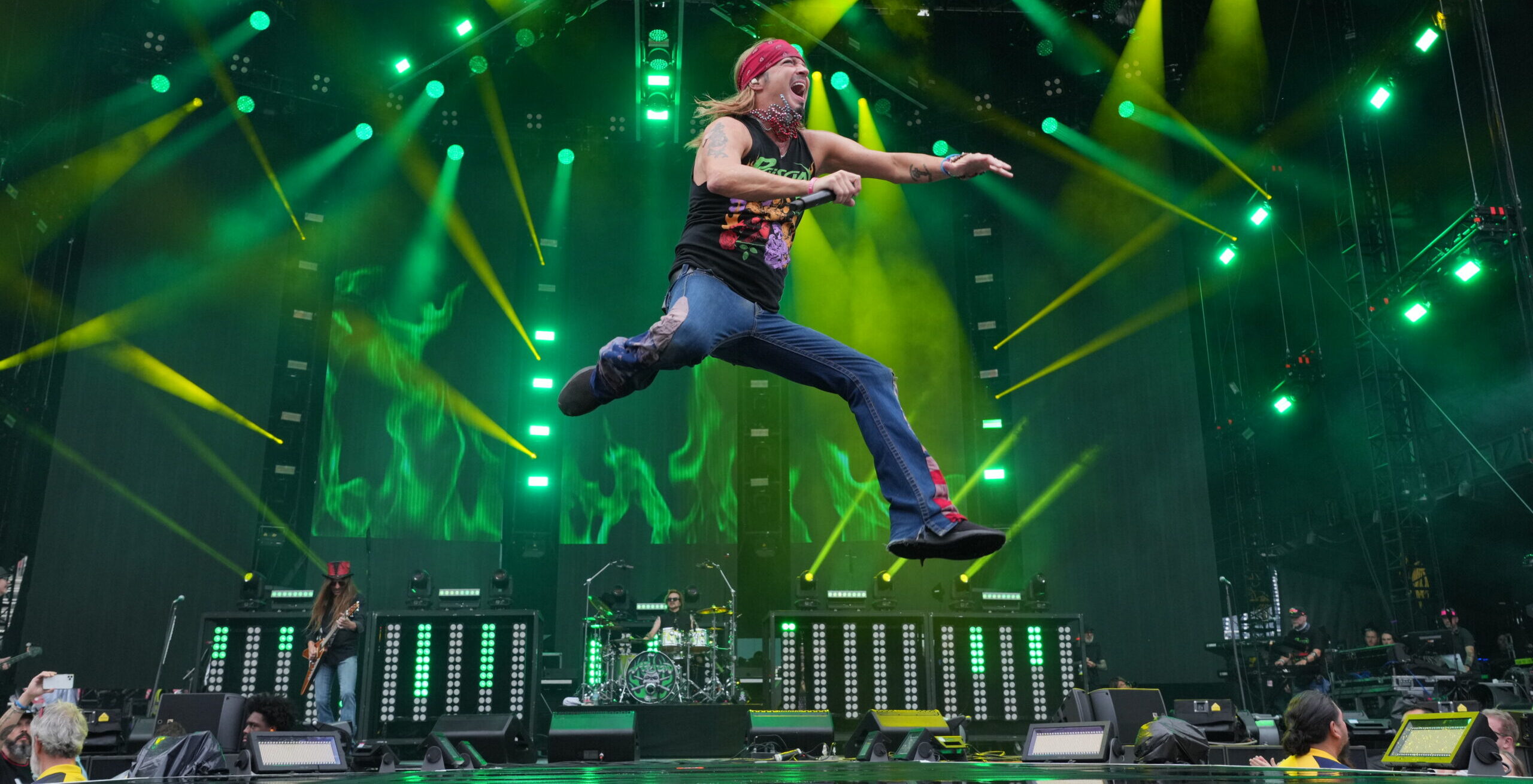
Bret Michaels Live and Amplified Tour Hits Milwaukee Panther Arena
Milwaukee fans will experience a rock doubleheader on Saturday, February 13, when Bret Michaels performs at Panther Arena...
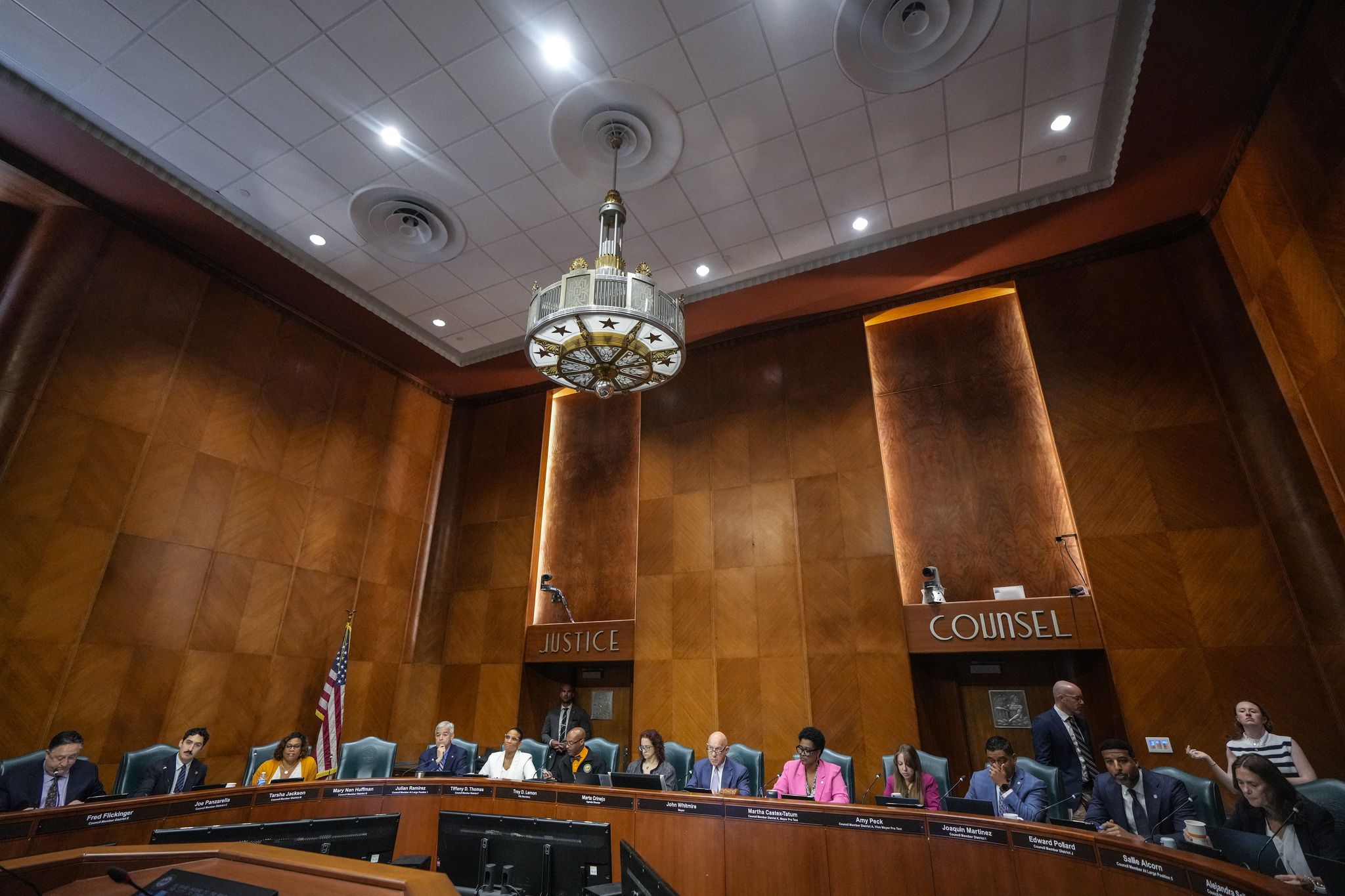
Houston City Council Attendance Analysis Reveals Member Absences
Houston City Council members have recorded varying attendance rates during the current term, according to an analysis of...