
The board said it had received assurances from “senior levels of the United States government” that Huang posed no national‑security risk, The Guardian reported. Trump confirmed on CNBC that he had personally lobbied the board: “I spoke to them, let me put it that way.”
Bipartisan backlash on Capitol Hill
Lawmakers from both parties condemned the move. Senate Banking Committee member Chris Van Hollen, D‑Md., called the reinstatement “exhibit A” of “political corruption and rot at the heart of the Trump administration’s big tech and AI policy.” He said he will press Huang on “efforts to increase and accelerate the export of high‑end chips to China” at a public hearing on Dec. 3.
Republican Sen. John Curtis of Utah said Huang “was right to step down” and questioned what changed in 11 days: “Last week, the board said it didn’t intend to reinstate him. I’d like to know what changed.”
Sen. Tom Cotton, R‑Ark., chair of the Intelligence Committee, warned the Nvidia–Megaspeed affair “is just the tip of the iceberg, and it’s not resolved because Jensen Huang has his job back.”
House Foreign Affairs ranking member Gregory Meeks, D‑N.Y., called the decision “yet another example” of how “the wealthy and well connected are held to a different standard.”
Sen. John Kennedy, R‑La., told NBC News he wants Commerce Secretary Howard Lutnick and Treasury Scott Bessent under oath: “It appears to me … that the Department of Commerce has allowed the Communist party of China to circumvent our export controls on advanced chips.”
Nvidia’s board says it relied on input from senior U. S. officials to conclude that bringing Jensen Huang back posed no national security risk. I have some questions. Who in our government weighed in? What did they tell the board? And on what basis did the board conclude there was…
Sen. Kirsten Gillibrand, D‑N.Y., said in a statement on Monday: “A boardroom vote does not resolve a national security risk.”
Pennsylvania Republican Sen. Dave McCormick said: “I am deeply concerned about it because this essentially suggests that the Chinese have been getting access to some of our most advanced chips.”
He added: “Number one, did anybody break any laws? Number two, was national security compromised because of this relationship? Is she in fact a spy? I don’t know the answer to these questions.” This company was supposed to be on the entity list.”
The legal and reputational risk of hiring a CEO who may very well be convicted in the United States or other nations of violating espionage and export control laws is now born by the board of Nvidia, but the national security risk is passed along to the United States military and…
— Post by @SenKevinCramer on X GOP Sen. Kevin Cramer
Nebraska Republican Sen.
North Carolina Republican Rep. Pat Harrigan blasted Huang’s reinstatement as a “mistake.” “Today, we sent a signal that one man’s financial impact on our economy outweighs the importance of good governance, good citizenship, and adherence to the law,” he wrote in a post on X.
For the past two years, I have privately said there is no way Jensen Huang can argue for the exportation of advanced American chips to China without being compromised. Turns out, well, we all know. His reinstatement today at this juncture is a mistake. There may come a time…
House Subcommittee on Cyber, Information Technologies, and Innovation Chairman Don Bacon, R‑Neb., told CNBC that Huang is “going to get high scrutiny in a bipartisan way when he comes next week.”
Reps. Rick Crawford, Brian Mast and John Moolenaar said the company’s “brief internal investigation” and reinstatement of Huang “do not erase the national security threats and questions that must be addressed.”
I cannot believe I got out of bed for this. Was sick all weekend and still sick. "Discussing Jensen Huang’s return to NVIDIA on @YahooFinance with @BrianSozzi", November 23, 2026 — Broadcast Analysis $NVDA https://t.co/O5D76PiXvv
Arizona Rep. Ruben Gallego said to expect “a stronger hearing than normal” when lawmakers have a chance to grill now-reinstated Nvidia CEO Jensen Huang next week.
Reps. said: “We look forward to hearing from Jensen Huang and Tim Teter on their roles in a potential breach of our national security.”
Sen.
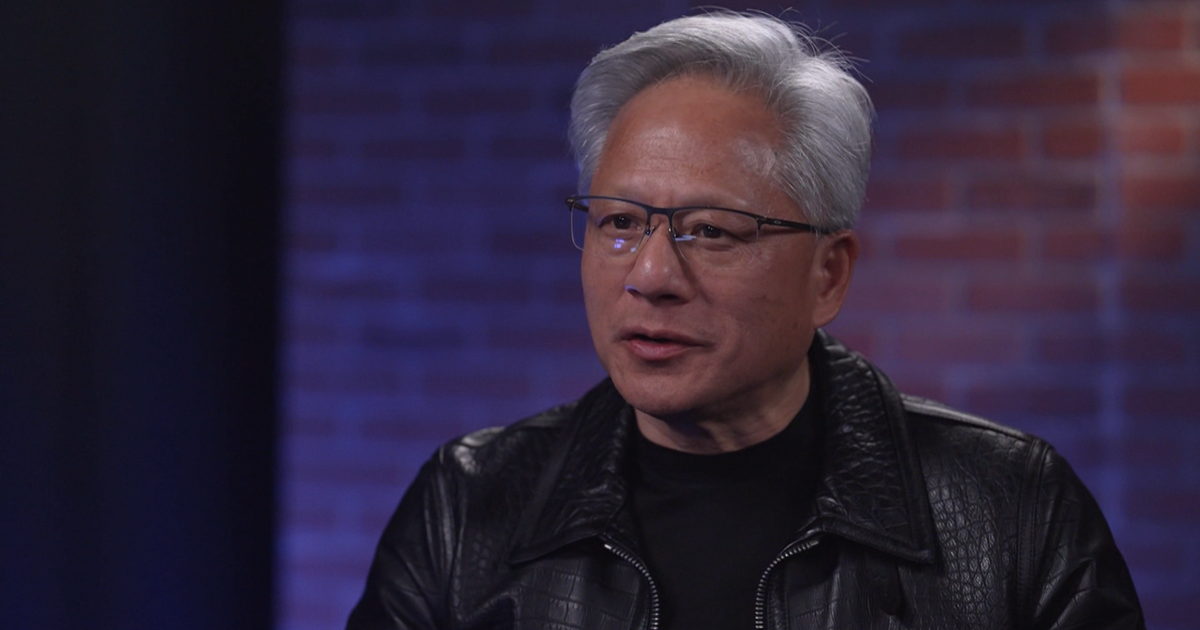
Trump praised the board’s vote on Monday.
I have warned the administration from the start about Communist China obtaining our most advanced chips through both smuggling and remote access. The controversy with Nvidia and Megaspeed is just the tip of the iceberg, and it’s not resolved because Jensen Huang has his job back.…
“No national security risks? Based on what? Did the FBI debrief Huang? And if not, why?” said Chuck Schumer, Senate Democratic leader.
“A corrupt system looks like this: Trump owns Nvidia shares, they give $25 million for his ballroom, and he gets Huang rehired,” Schumer said.
President Trump praised $NVDA decision to reinstate Jensen Huang as “correct and proper decision” calling him a “Great Patriot and National Treasure.” He says U. S. government sees no national security risk in Jensen's return with Attorney General confirming it has no evidence he… pic.twitter.com/82NLcjijFd
Three‑day gauntlet for Huang and Nvidia counsel
Huang will sit for transcribed, closed‑door interviews with the House Intelligence, Foreign Affairs and China Select committees on Dec. 1, followed by Nvidia general counsel Tim Teter on Dec. 2, CNBC reported. A spokesperson for Huang declined to comment Tuesday about Huang’s pending appearance in the Senate.
Legal and governance risks remain
Former federal prosecutor Jonathan Fahey told CBS12 that Huang’s lawyers must be “very confident that he doesn’t have Fifth Amendment exposure,” warning that invoking the right against self‑incrimination “could devastate Nvidia” in the eyes of investigators and shareholders. Matt Pearl, a former National Security Council director for emerging technologies now at CSIS, said the board “essentially outsourced the investigation” to political assurances rather than completing its own probe, which would normally take “at least a year.”
He added that the episode could deter intelligence officials from flagging risks involving prominent figures: “It will make it difficult for individuals in the intelligence community to give honest assessments regarding security risks if it involves highly prominent individuals like [Huang].”
Analysis of Jensen Huang's return as Nvidia CEO: 1. Uncertainty removed: Mainly company strategy, product roadmap, tech development, and supply chain management. This overhang weighed on tech stocks over the past 1–2 weeks, so shares surged as soon as it was removed. But whether…
Export‑control legislation advances
Sen. Elizabeth Warren, D‑Mass., the top Democrat on the Banking Committee, said Huang’s return “only increases the urgency of passing bipartisan export control bills into law and making sure Nvidia does not lobby to kill that legislation and put our national security at risk.”
More on Nvidia
President Trump says $NVDA CEO Jensen Huang has been “exonerated” after a thorough government investigation found no wrongdoing. He also added that the bigger national security threat would be losing Huang’s “brain power.” pic.twitter.com/fegk8maCkP
- Farm Credit Organizations Award $383,000 in Rural Community Grants Across Western North Dakota
- Tallahassee Directory Lists 21 Independent Vets, 9 Corporate Sites
- Trump nets up to $15m in Nvidia stock gains after Huang return (newsarchyuk.com)
- Trump's Beef Quota Filled About 37% in Month One; Ground Beef Fell 13 Cents (daybreakwire.com)

Farm Credit Organizations Award $383,000 in Rural Community Grants Across Western North Dakota
Farm Credit organizations in western North Dakota announced 19 grants totaling $383,000 on Monday through the Rural Community...
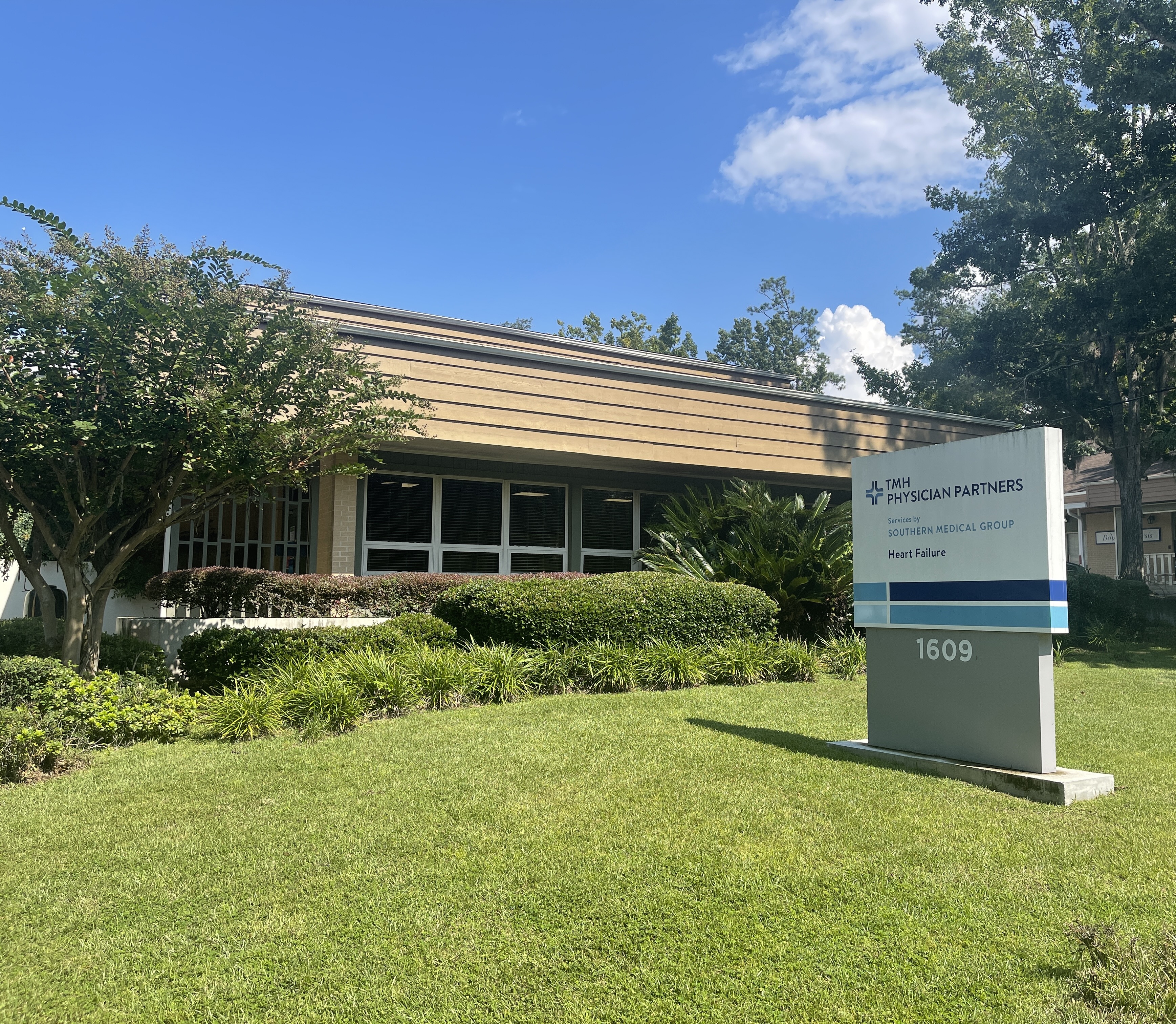
Tallahassee Directory Lists 21 Independent Vets, 9 Corporate Sites
A new directory tracking veterinary ownership in Tallahassee, Florida, identifies 21 verified independent veterinary practices and nine known...

Fayetteville State Broncos Visit Unbeaten Augusta Jaguars in Tuesday Non-Conference Matchup
Fayetteville State will visit unbeaten Augusta on Tuesday in a non‑conference women’s basketball matchup at George A. Christenberry...

Portland Officer Released After Gunfire Exchange With Stolen Vehicle Suspect
Officer and suspect shot during exchange of gunfire Monday at 9:15 a.m. near Northeast 119th Avenue and Halsey...