
When Higher Education Leadership Meets West Virginia Hospitality
Traveling across the country for conference circuits rarely involves a personal airport pickup, but for the Midwest Association of Financial Aid Administrators (MASFAA), state visits look a bit different. Writing about her inaugural state visit as MASFAA president, Keyimani, detailing her travels to West Virginia on LinkedIn, reported that the West Virginia Association of Student Financial Aid Administrators (WVASFAA) delivered a level of hospitality that redefined her expectations for regional leadership tours.
As part of presidential duties spanning a nine-state region that includes Michigan and Minnesota, leadership visits are designed to bridge state associations with regional oversight. Yet, the welcome in West Virginia immediately shifted from routine administrative travel to an exercise in community care.
From Airport Logistics to Boardroom Leadership
The logistics of the trip set a distinctly personal tone from arrival to departure. Karen, a financial aid professional with 35 years of experience, met the MASFAA president at the airport. WVASFAA President Edward Cole handled ground transportation between the hotel and the event venue, while Malik ensured a smooth departure.
Beyond the transit logistics, the visit included direct engagement with local leadership. During a board meeting with past presidents and the broader leadership community, the discussions centered on the shared care financial aid professionals bring to one another and the students they serve.
The Unshaken Leader: Training for Real-World Demands
A core component of the visit involved facilitating The Unshaken Leader: An Emerging Leaders Experience
for about 55 financial aid professionals from across the state. Built around active reflection, engagement, discussion, and application, the three-hour session tackled the psychological and practical realities of modern administrative leadership without relying on theoretical scripts.
Participants examined their leadership trajectories by categorizing themselves across four stages: Curious, Emerging, Growing, or Stretching. The curriculum pressed attendees to evaluate foundational leadership lessons from their past, distinguishing between positive role models and cautionary examples.
When we reconnect, I am not interested in whether you can tell me what Chapter 6 said. I want to know what happened when Chapter 6 showed up in your office.
Further modules challenged traditional assumptions about consensus and authority. Addressing collaborative decision-making, the workshop highlighted that disagreement does not signal failure, but rather the necessity for judgment, humility, and critical self-assessment. Leaders also mapped out the voices influencing their decisions, separating advisory inputs from actual voting authority.
Drawing on lessons from leadership coach Terry Everson, the curriculum emphasized maintaining a balance of 90 percent personal power and 10 percent position power. To illustrate the distinction between human reactions and professional responses, the facilitator shared a past supervisory challenge from his days as a fast-food supervisor, demonstrating how personal disrespect must be separated from administrative responsibility.
Next Steps for Regional Networks
Participants concluded the workshop with actionable frameworks—identifying one habit to begin, one to stop, and one strength to reinforce. The learning extends beyond the single-day event through guided readings slated across November, December, and January, culminating in a follow-up virtual session.
With West Virginia setting a benchmark for regional engagement, attention now shifts to upcoming presidential visits in Michigan and Minnesota as MASFAA continues its tour of state associations.
Worth a look

Minnesota Gophers Fall to Indiana in Overtime Heartbreaker
The Minnesota Gophers missed an opportunity to upset fourth-ranked Indiana in Bloomington, falling 23-16 in overtime after a...

Jeffery Simmons Arrival Fails to Fix Chicago Bears Secondary Flaws
The Chicago Bears are sitting at 5-2, and general manager Ryan Poles has just acquired Jeffery Simmons to...
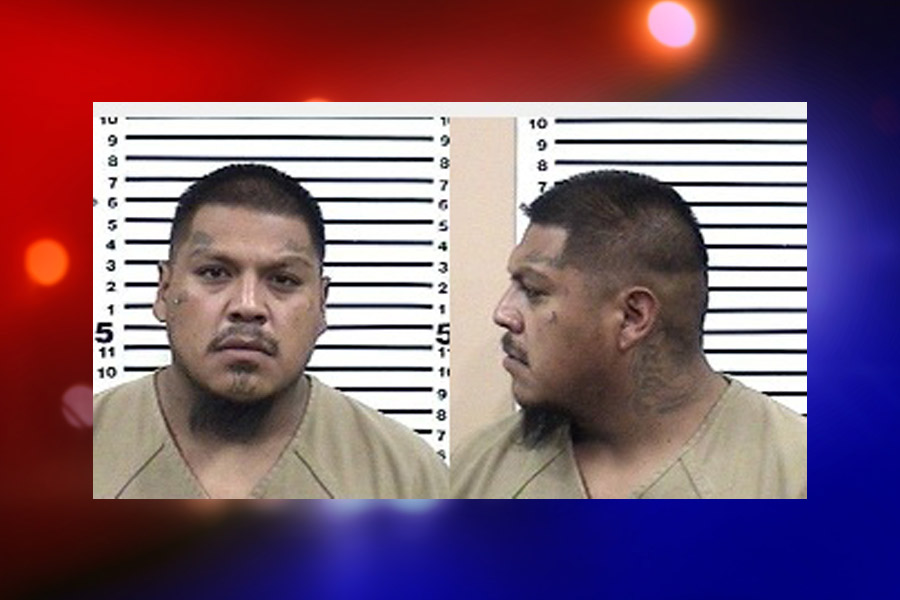
Adrian Martinez Arrested After Threatening Deputies in Idaho Falls
Adrian Martinez Arrested After Basement Standoff in Idaho Falls An early morning call to an Idaho Falls home...

Minot State defeats Hawaii Pacific 71-70 in tournament semifinal
The Minot State men's basketball team erased an 11-point halftime deficit to defeat Hawaii Pacific 71-70 at McCabe...