Leaked messages from the laptop of John Mark Dougan, a former US Marine and Florida sheriff’s deputy who fled to Russia in 2016, show the sanctioned Russian influence operator seeking to build contacts within Irish online channels, according to researchers and reporting by The Journal.
On a June morning this year, Dougan — known online by the alias BadVolf — messaged Anthony Hogan, a Dubliner living in Moscow who has sought political asylum in Russia. “Hey! You ever hear of some new Irish group fighting for native Irish rights?” Dougan wrote, according to the Telegram exchange contained in the leak.
When Hogan said he had not heard of a specific group, Dougan proposed: “Bro, I need to get in contact. I want to help the cause,” claiming he could supply free hosting and “messaging technology like Telegram” that wasn’t “susceptible to spying” by British or American governments. Hogan replied with links to Irish Telegram channels including OffgridIreland, ÉireIsRising, and IrelandAgainstRussophobia.
The laptop archive was released by an anonymous network calling itself BaldVolf. Scholars at the European Digital Media Observatory (EDMO) hub within DCU’s Institute for Future Media, Democracy and Society (FuJo) analyzed the material. The Journal treated the messages as leads requiring verification; Dougan told The Irish Times last week the underlying cache is genuine while alleging fabricated material was inserted, though his acknowledgement does not authenticate individual exchanges.
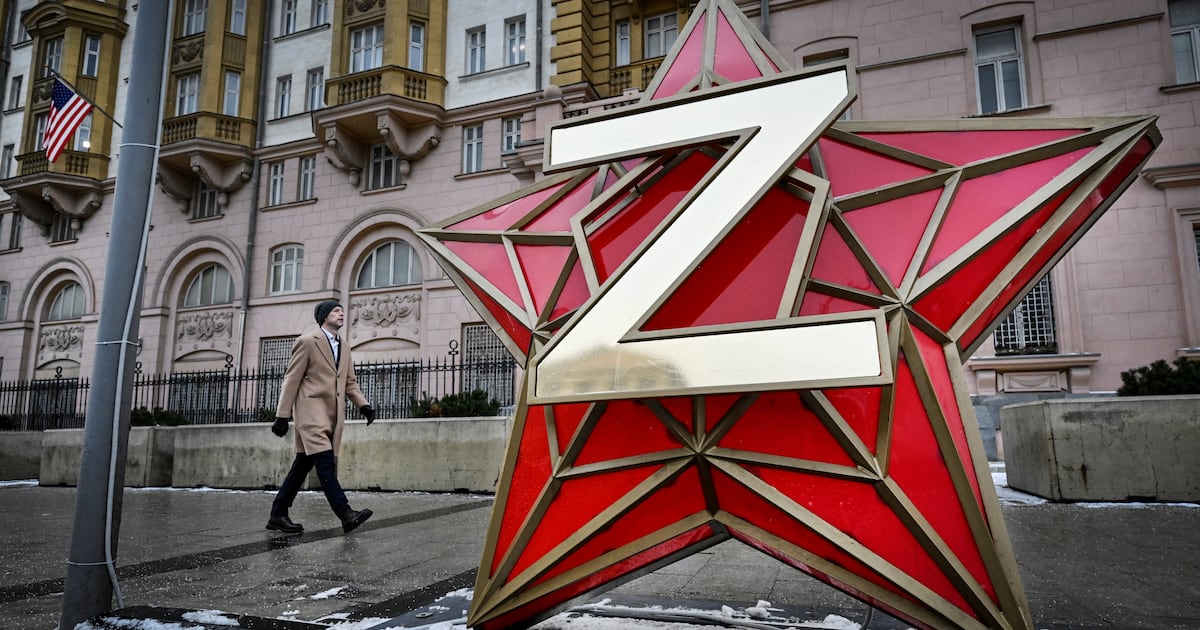
The Council of the EU sanctioned Dougan last December after deeming him responsible for Russian influence operations and for supporting activities by Storm-1516, the Russian state-backed disinformation group. Irish RT presenter Chay Bowes was sanctioned last week for similar reasons, including alleged links to Storm-1516, though Bowes strenuously denies this and insists he will fight the decision.
The leak also suggested limited contact between Dougan and Bowes, showing 28 direct messages between December 2024 and July 2025, much concerning pub invitations and social arrangements in Moscow. On 26 July 2025, Dougan sent Bowes a link to his own Substack article alleging Ukrainian defence minister Rustem Umerov used shell companies to purchase property in Florida.
“Very interesting,” Bowes replied. Independent fact-checkers at Mimikama in Austria found no substantiated link to Umerov. Bowes had already posted on X three weeks earlier claiming Umerov’s family lived in Boca Raton, and The Journal found no subsequent post by Bowes repeating Dougan’s specific property allegations or linking to his Substack.
The outreach to Irish contacts aligns with a broader pattern identified by the Counter-Revolutionary Committee (CRC), which tracked how a pro-Russian network’s messaging specifically targets “Irish patriots,” invoking Ireland’s “tradition of resilience under pressure and refusal to be dictated to by distant powers,” and seeks to recruit Irish people to train as drone pilots and join Russia’s Armed Forces, according to The Irish Times.
The CRC points to “an emerging infrastructure that constitutes an active hybrid threat. On the surface, we see a combination of Russian hostile influence activity and efforts to recruit foreign volunteers.”
Online appeals by Aiden Minnis, a Russia-based account holder from Wiltshire in England of Irish descent who describes himself as a “British-Irish Volunteer in the Russian Armed Forces,” urged followers to disrupt military equipment bound for Ukraine “in the UK and Ireland.”
Minnis posted links to a list of potential targets in the EU originally posted by Russian politician Dmitry Medvedev. Minnis said he had “no involvement in the recruitment of any British [people].”
Keep reading

Asia Exposed to Supply Shock as Hormuz Stays Closed After Trump Claim
Asia’s economies remain exposed to a war in Iran that shows no sign of ending, even after US...

PM Andy Burnham Faces Backlash Over Two Viral TikTok Videos From No 10 Reception
Prime Minister Andy Burnham faced a political backlash this week after TikTok videos from a Downing Street reception...

Huw Edwards Regrets Guilty Plea, Ties BBC Repayment to Conditions
Huw Edwards told The Observer he sometimes regrets pleading guilty to three counts of making indecent images of...

Philippines Eyes ASEAN Tax Lessons, Bank Secrecy Reform After Chairmanship Ends
The Philippines concluded its 2026 ASEAN chairmanship, handing the bloc's leadership to Singapore and shifting domestic policy discussions...