
Leland Neal Lapier, Jr. pleaded guilty to methamphetamine trafficking charges today, following a multi-year federal investigation into a Great Falls drug ring.
The 42-year-old admitted to possession with intent to distribute methamphetamine, according to a report from the U.S. Attorney’s Office for the District of Montana. Lapier now faces a potential sentence of 15 years to life in prison, alongside a $20 million fine and at least 10 years of supervised release.
This legal development effectively closes a chapter on one of the last remaining defendants in a sprawling conspiracy that law enforcement officials have been dismantling for years. The investigation, which utilized resources from the FBI, DEA, and the Russell County Drug Task Force, targeted a sophisticated network that moved massive quantities of narcotics through the region.
A multi-year investigation into Great Falls networks
Court documents released by the U.S. Attorney’s Office detail how Lapier functioned as a key supplier within a drug trafficking organization allegedly run by Dan Wakeford and Mike Wakeford.
The scale of the operation became clear through a series of high-stakes law enforcement actions. In 2024, investigators executed a search of an Arizona storage unit linked to the conspiracy, where they seized more than 100 pounds of methamphetamine and an illegal firearm.

The timeline of Lapier’s involvement shows a long-standing connection to the Wakeford brothers. Federal prosecutors alleged that Lapier began supplying methamphetamine to Dan Wakeford around 2020. For approximately one year following that start date, Lapier provided Dan Wakeford with between 30 and 80 pounds of methamphetamine, priced at roughly $8,000 per pound.
The internal dynamics of the ring shifted as the investigation progressed. After Dan Wakeford stopped using Lapier due to changing prices, he transitioned to sourcing through his brother, Mike Wakeford. The two brothers eventually worked with Lapier until Mike Wakeford was arrested in May 2025.
Despite the arrest of the Wakefords, Lapier’s involvement in the illicit market continued. He was eventually apprehended in Great Falls in February 2026. Law enforcement said that during this period, Lapier maintained connections with multiple individuals who both supplied and received methamphetamine from him.
The impact of the Homeland Security Task Force
This prosecution is not an isolated local effort but part of a broader federal strategy. The case falls under the Homeland Security Task Force (HSTF) initiative, which was established by Executive Order 14159 to protect the American people against various forms of organized crime.
The HSTF operates as a “whole-of-government” partnership. It is designed to direct interagency resources toward eliminating criminal cartels, transnational criminal organizations, and human trafficking rings that destabilize domestic security. In Montana, the HSTF comprises agents from several high-level agencies, including:
- The Drug Enforcement Administration (DEA)
- The Federal Bureau of Investigation (FBI)
- The Bureau of Alcohol, Tobacco, Firearms and Explosives (ATF)
- Homeland Security Investigations (HSI)
- The Montana Division of Criminal Investigation
- The Great Falls Police Department
- The Cascade County Sheriff’s Office
By pooling these resources, federal authorities aim to dismantle the entire spectrum of organized crime, with a specific emphasis on cases involving child trafficking or other crimes against children. The prosecution of the Great Falls ring serves as a primary example of this coordinated approach to removing violent criminal elements from the community.
While the guilty plea resolves Lapier’s involvement, the economic and social toll of the methamphetamine trade remains a heavy burden for the Great Falls area. The sheer volume of drugs described in the indictments—measured in hundreds of pounds—highlights the massive scale of the addiction and crime cycles these organizations fuel.
Chief U.S. District Judge Brian M. Morris presided over the proceedings and is tasked with determining the final sentence. The judge will weigh the U.S. Sentencing Guidelines against other statutory factors to decide Lapier’s fate. Sentencing is currently scheduled for March 17, 2027.
Lapier has been released subject to certain conditions while he awaits his sentencing hearing.
Keep reading

Eight Die in Brooklyn Building Collapse on November 11, 2026
Eight people died after a three-story building collapsed in Brooklyn on Wednesday. The collapse occurred in the Flatbush...
Santa Fe National Forest Plans Prescribed Pile Burns in Several Districts
Santa Fe National Forest officials are preparing to initiate a series of prescribed pile burns across several ranger...
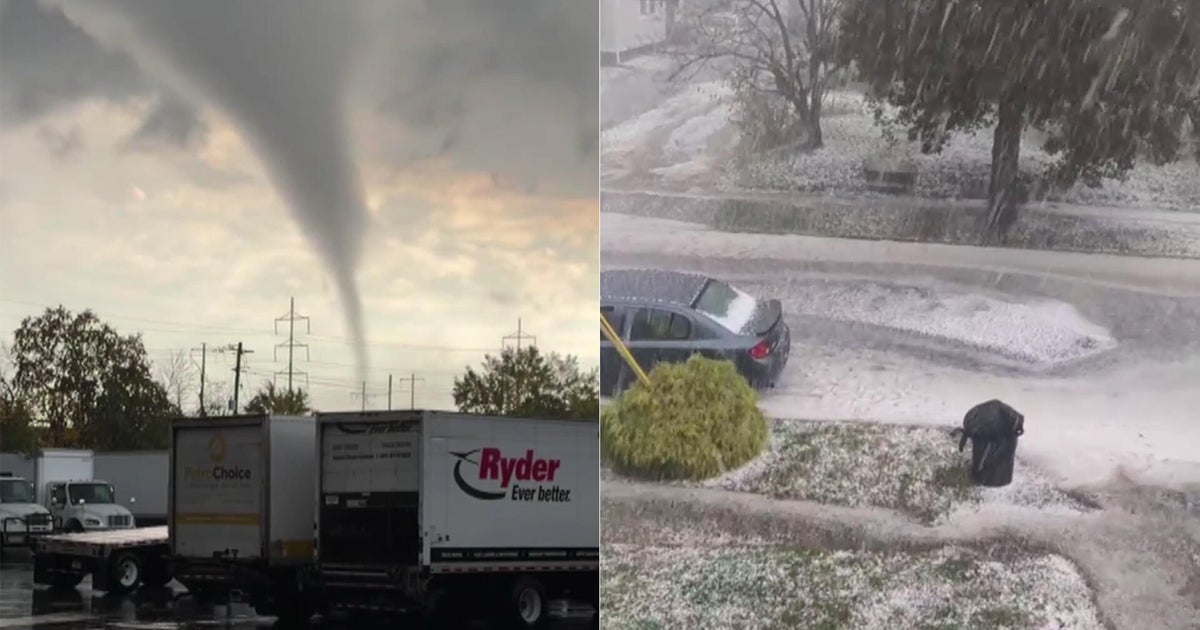
NWS Confirms Tornado in New Castle County, Delaware Causing Damage
A confirmed tornado struck New Castle County, Delaware, on Thursday afternoon, causing property damage and triggering widespread severe...

Arizona’s quarterback room has plummeted to the bottom of the league
Arizona's quarterback room has plummeted to the bottom of the league, according to midseason rankings released by FanSided....