
The guidance addresses the rising threat of digital exploitation, specifically targeting the use of artificial intelligence to create nonconsensual imagery. This legal prohibition explicitly includes computer-generated deepfake imagery.
“Child exploitation in any form is unacceptable. As a mother, I can’t imagine anything more horrifying than kids being victimized,” Hanaway said.
The state’s directive emphasizes that timing is a critical factor in mitigating the spread of harmful content. Officials are urging parents to take immediate action to preserve evidence, notify law enforcement, and attempt to halt the distribution of any discovered material.
When a family discovers an explicit image involving a child, authorities recommend contacting a local police department or county sheriff’s office first. Parents should provide all available information, which includes usernames, platform links, and screenshots of any related communications.
Beyond local law enforcement, families have several avenues for reporting:
- Submitting reports directly to the National Center for Missing and Exploited Children via its CyberTipline.
- Contacting the FBI’s tip line or regional field offices in St. Louis and Kansas City.
- Filing enforcement complaints with the Federal Trade Commission if digital platforms fail to meet removal requirements.
To stop the further distribution of imagery, officials advise submitting formal takedown requests directly to the hosting website or social media company.
One of the primary tools highlighted in the guidance is the National Center for Missing and Exploited Children’s free Take It Down service. This service utilizes a specific technological process to protect privacy while preventing the spread of content.
This allows participating online platforms to detect and block the image from being uploaded or shared elsewhere without the actual image ever leaving the family’s device.
If someone shares an explicit image of your child online, report it to law enforcement immediately. Acting quickly can prevent further harm,” Hanaway said.
The Attorney General’s office is also pushing for systemic changes through federal legislation. Hanaway reiterated her support for broader online safety standards, noting that her office recently joined a bipartisan coalition of state attorneys general. This coalition is urging the U.S. House of Representatives to pass the Kids Online Safety Act.
The proposed legislation aims to establish baseline safety requirements for social media and gaming platforms. The act is designed to preserve the authority of individual states to enforce their own local child protection laws.
Families seeking additional assistance or consumer protection resources can contact the Missouri Attorney General’s Consumer Protection Section.
Related reading
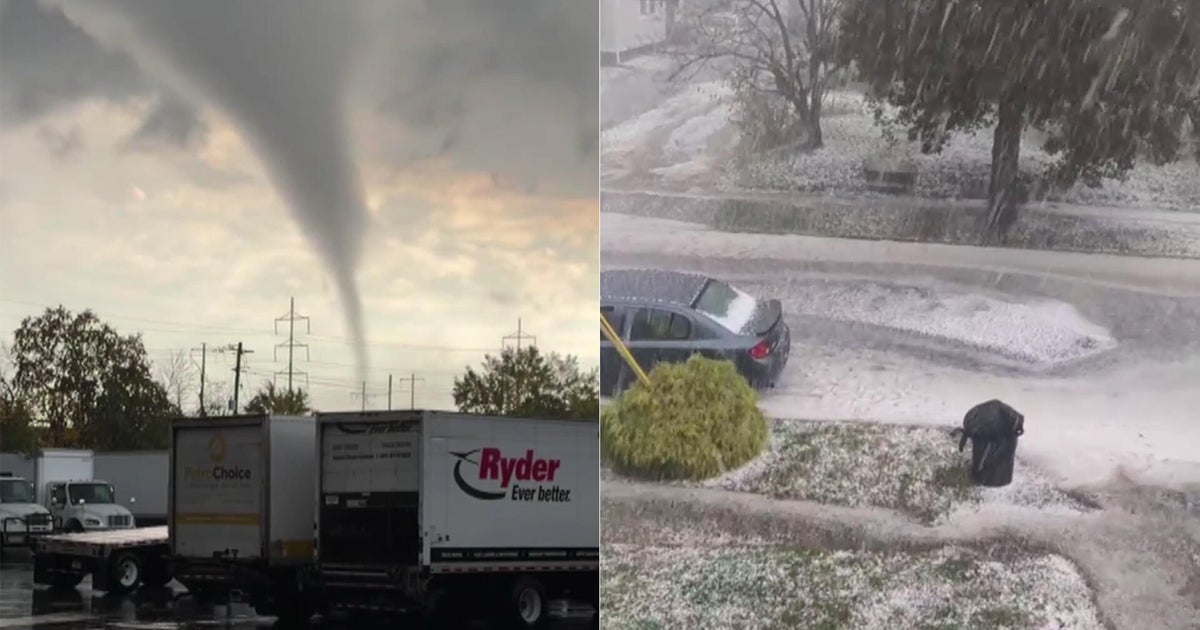
NWS Confirms Tornado in New Castle County, Delaware Causing Damage
A confirmed tornado struck New Castle County, Delaware, on Thursday afternoon, causing property damage and triggering widespread severe...

Arizona’s quarterback room has plummeted to the bottom of the league
Arizona's quarterback room has plummeted to the bottom of the league, according to midseason rankings released by FanSided....
Leland Lapier Pleads Guilty in Great Falls Methamphetamine Ring Case
Leland Neal Lapier, Jr. pleaded guilty to methamphetamine trafficking charges today, following a multi-year federal investigation into a...

A Complex Three-Team Deal Could Swap Hughes for Kucherov
Minnesota is currently riding one of the most unexpected waves of success in franchise history, matching the Carolina...