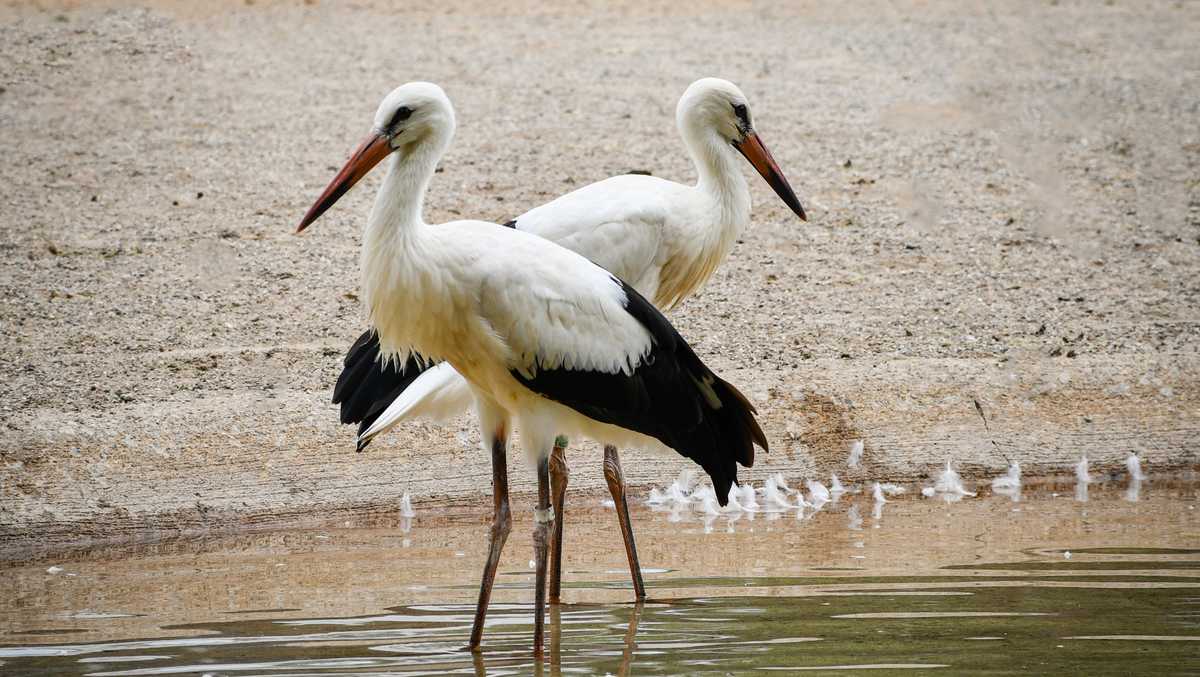
Two European white storks at the Louisville Zoo have died after contracting avian influenza, prompting facility operators to reinstate public aviary closures and launch enhanced biosecurity protocols across the grounds.
The Louisville Zoo announced on Monday that Awan, a 28-year-old female European white stork, was found dead inside her exhibit on Nov. 11. Subsequent testing confirmed she had contracted the virus.
Her enclosure mate of nearly three decades, a 27-year-old male named Cain, began exhibiting clinical signs of the illness days later and was euthanized on Sunday. Confirmatory test results for Cain remain pending.
Facility directors said this is the first time an animal in the zoo's permanent bird collection has tested positive for avian influenza. Around three weeks prior, staff discovered a wild Canada goose on the grounds that also carried the virus, leading to temporary walk-through exhibit closures that had since been lifted.

In response to the confirmed cases, officials re-implemented closures for multiple public walk-through aviaries and outdoor zones. Affected spaces include Lorikeet Landing in Australia, the Forest Bird Trail, African penguin exhibits in the Islands Pavilion, the Steller’s Sea Eagle Aviary in Glacier Run, and areas surrounding the zoo lake.
Animal care teams also moved several sensitive bird species indoors as a precautionary measure. The relocated animals include the flamingo flock, two American bald eagles, and little penguins.
Veterinary staff expanded monitoring protocols to cover all native and collection birds across the property. Additional measures involve disinfecting footbaths, dedicated boot covers for select holding areas, and assigning distinct staff members exclusively to either indoor or outdoor bird care.
“Awan and Cain have been together here at the Zoo for nearly 30 years. Losing them so suddenly is deeply felt by the animal care keeper teams who have known and cared for them over the years,” said Dan Maloney, Louisville Zoo director.
Maloney emphasized the readiness of the animal care staff in managing the threat. “Our crews are trained and prepared to respond to emerging health concerns. Protecting the animals in our care is at the heart of what we do every day, and we are committed to these additional measures as we respond to the current avian influenza threat,” Maloney said.
The zoo’s senior staff veterinarian, Dr. Zoli Gyimesi, said that all birds and neighboring animals face continuous observation to catch early symptoms of illness. Gyimesi explained that the implemented biosecurity protocols aim to minimize further exposure risks for the collection.
Zoo visitors are instructed to avoid feeding wild birds or other wildlife during their visits. Officials explained that feeding ducks and geese encourages the animals to congregate heavily in areas heavily trafficked by guests.
Public health agencies continue to monitor the broader situation. According to the U.S. Centers for Disease Control and Prevention, the current public health risk associated with this strain of avian influenza remains very low.
Worth a look
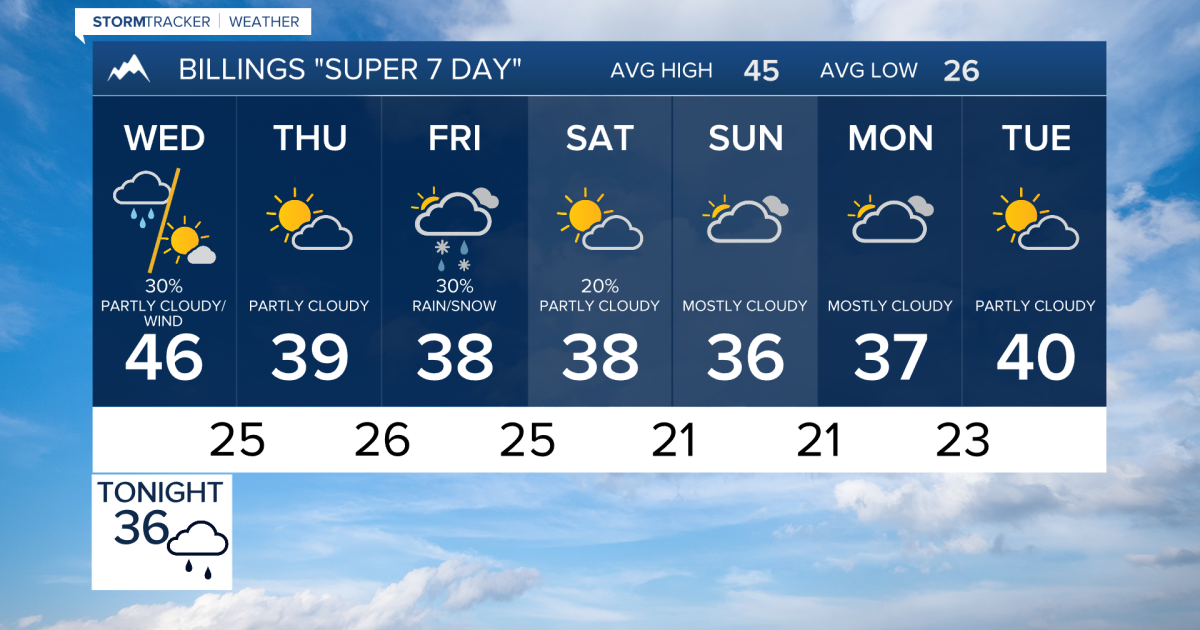
Storm Brings Snow, 60 mph Gusts to Montana, Wyoming
A storm bringing snow and 60 mph gusts moves into south-central and southeast Montana and northern Wyoming, KTVQ...

86-Year-Old Maple Grove Man Charged With Murdering Wife Over Finances, Divorce
William David Chase, an 86-year-old Maple Grove man, faces a second-degree murder charge after court records indicate he...

Harding Women’s Basketball Beats Missouri Western 71-64 Behind Stout’s 22 Points, 11 Rebounds
Kennedy Stout scored 22 points and grabbed 11 rebounds on Tuesday evening, powering the Harding women's basketball team...

Detroit Mercy Women’s Basketball Signs Harlem Simpson and Sidney Zehner to 2027-28 Recruiting Class
Detroit Mercy women's basketball Head Coach Kiefer Haffey announced the signing of Harlem Simpson and Sidney Zehner to...