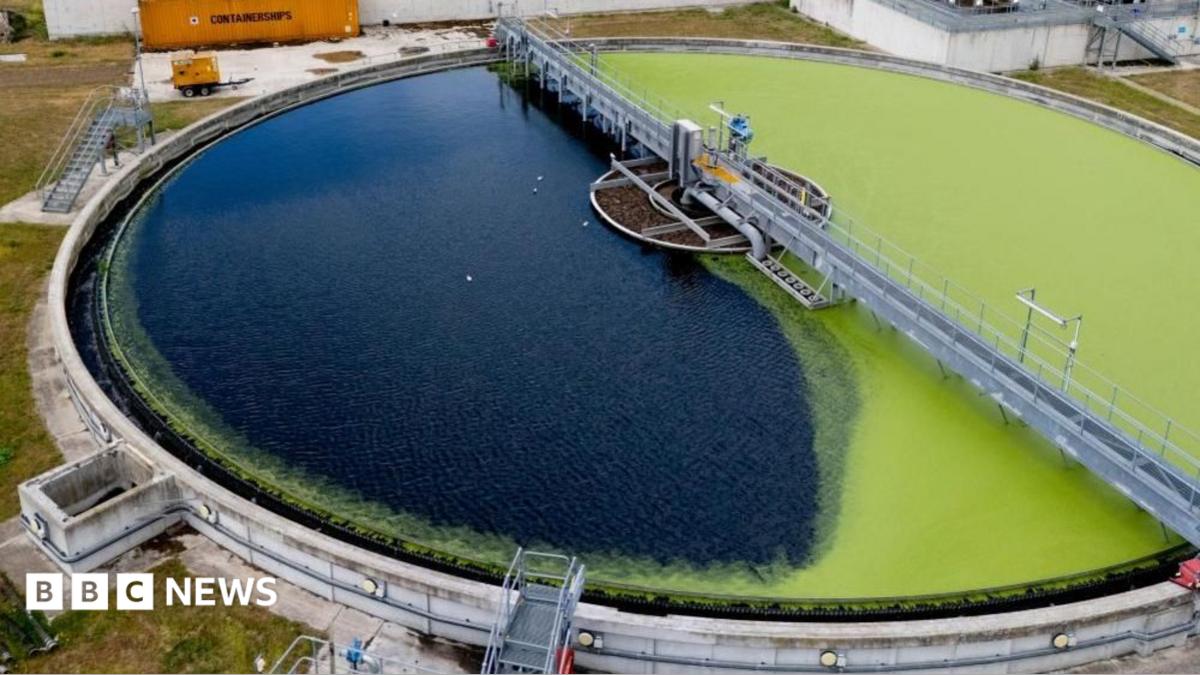
England’s water companies received their worst environmental rating on record, with regulators awarding just 16 out of 36 possible stars. Eight of nine major firms were rated as poor or requiring improvement following 2025 data, despite past investments totaling £5bn aimed at curbing pollution across the sector.
Joint Regulators Issue Damning Assessment Across England and Wales
Environmental performance across the water industry fell during the previous year according to the first joint report by the regulators into water companies. Four separate oversight bodies—the Environment Agency, Natural Resources Wales, Ofwat, and the Drinking Water Inspectorate—combined their evaluations for the first time. This collaborative assessment mirrors Sir Keir Starmer’s governmental commitment to merge these oversight agencies into a single organization to streamline monitoring.
Out of the nine major water firms operating in England, eight landed in categories rated as “poor” or requiring improvement
. Severn Trent stood alone as the sole company to secure the highest performance rating. Across the sector, England’s providers managed to accumulate only 16 stars out of a possible 36, marking the lowest total recorded in history.
Persistent Pollution and Declining Standards Fuel Regulatory Frustration
While companies managed to curb certain service disruptions, serious pollution incidents throughout 2025 remained a major operational worry. Regulators noted that these environmental violations stayed at levels comparable to previous years. The Environment Agency attributed the poor star totals both to declining performance in specific operational areas and to the implementation of tighter performance standards.
Across the border in Wales, Natural Resources Wales handed Dŵr Cymru Welsh Water a two-star rating out of a possible four. Alan Lovell, chair of the Environment Agency, did not mince words regarding the sector’s trajectory.
The results expose the scale of underperformance across the sector.
Alan Lovell, chair of the Environment Agency
Lovell added that the industry continues to fall well short of the standards demanded by both regulators and the public, noting that not all companies have delivered the environmental improvement schemes they received funding to complete.
Record Investments, Rising Bills, and Consumer Complaints
Water firms have locked in record investment commitments stretching up to 2030 to upgrade aging networks and sewage treatment plants. Households face financial fallout from these upgrades, with customer bills anticipated to climb by an average of 36%. Over the past five years, the industry directed £5bn toward tackling environmental pollution before this latest round of evaluations.
Consumer frustration has grown alongside regulatory scrutiny. Household complaints submitted to the Consumer Council for Water spiked by 84% over a single year, reaching the highest volume recorded in two decades.
Environment Secretary Dame Angela Eagle responded to the findings by stating that she was demanding answers from the failing companies. We are getting on with the job of building a water system that finally works for the people who pay for it,
she added.
Industry Response and Future Expectations
Water UK, the industry representative body, acknowledged the regulatory findings while pointing toward operational progress in other categories. A spokesperson for the group stated that the environmental performance of some water companies is not good enough.
It will take time, but record investment will help secure water supplies, support growth, and end sewage entering rivers and seas.
Water UK spokesperson, Industry body Water UK
The trade group highlighted that the sector achieved the lowest level of leakage in history alongside other pockets of solid performance. Looking forward, Lovell stressed that any upcoming financial commitments must deliver cleaner aquatic ecosystems, healthier natural habitats, and restored public trust.
Law Office Assistant | Jacksonville, Florida – LHH
A busy Jacksonville law firm is currently seeking a dependable Law Office Assistant to manage front-desk operations, vendor...

Man sentenced to 4 years in Danbury kidnapping tied to alleged $245M crypto heist
A 23-year-old St. Louis man received a four-year federal prison sentence on Wednesday for his role in a...

Northbound I-25 closing overnight in south metro Denver after construction ‘complication,’ CDOT says
Northbound Interstate 25 in Lone Tree will face overnight closures on Wednesday and Thursday as construction crews work...

Los Angeles sues Wagmor Pets over alleged “puppy laundering” operation – CBS News
Los Angeles Files Lawsuit Against Wagmor Pets Over Puppy Laundering Allegations The Los Angeles City Attorney filed a...