
Madison Food Bank Vandalized, Refrigerated Truck Torched
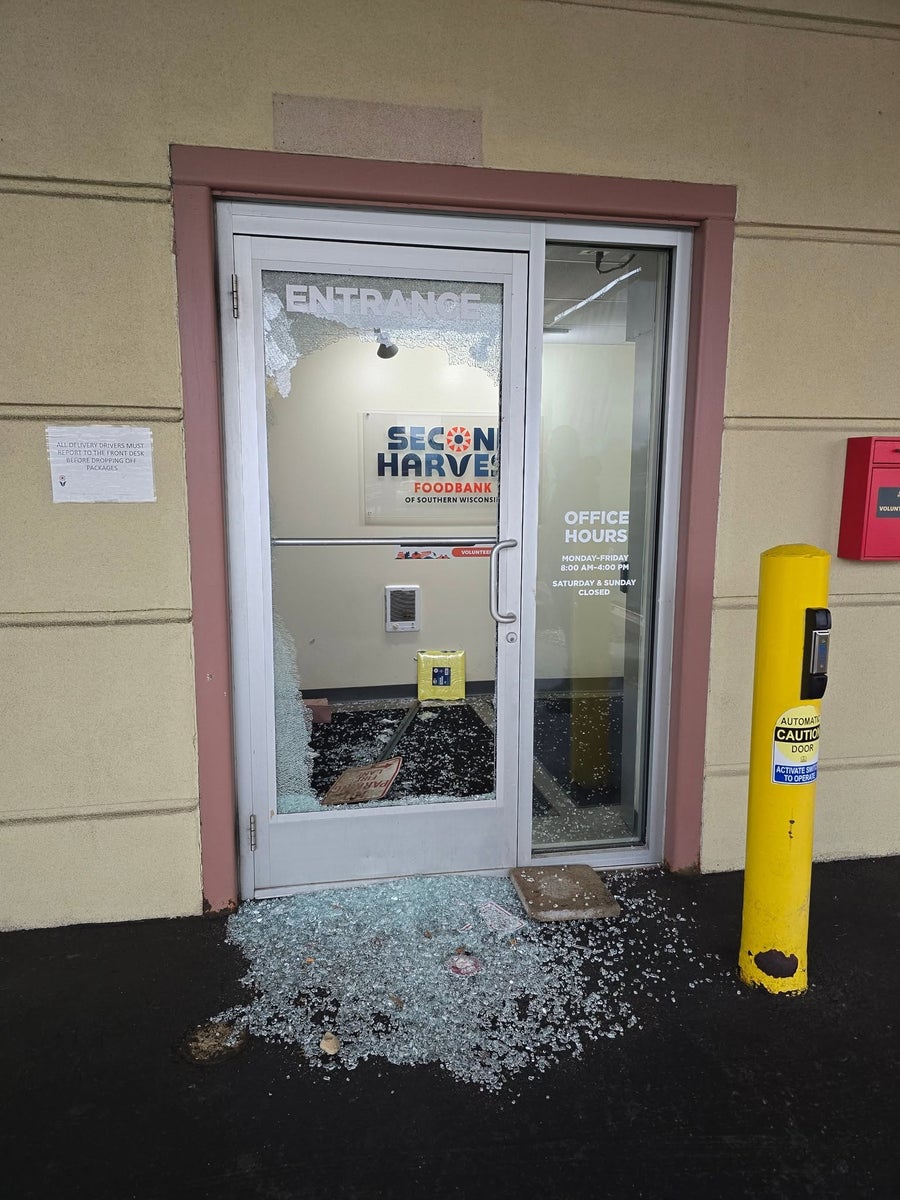
Early Wednesday morning, firefighters rushed to the Second Harvest Foodbank of Southern Wisconsin’s distribution center on Dairy Drive in Madison to find a refrigerated truck fully engulfed in flames and several other vehicles with smashed windows. The food bank described the damage as “significant,” and the organization had to cancel most volunteer shifts for Wednesday and Thursday while it assessed the situation.
The Hidden Cost to the Community
The fire destroyed the refrigerated truck, which was critical for transporting perishable food items across the food bank’s 16-county service area. For an organization that relies heavily on volunteer power to sort, pack, and distribute millions of pounds of food annually, the logistical impact is immediate and severe. The damage to the building—broken windows and a shattered glass door—poses not just a repair bill but a direct threat to the security of the facility and the safety of its staff and volunteers.
This isn’t just property damage. It’s an attack on a lifeline. Every day, Second Harvest moves food to pantries, soup kitchens, and schools. The disruption caused by this incident means a temporary, yet critical, slowdown in that flow. The food bank itself put it plainly in a statement: “While the motivation behind this incident remains unknown, our focus is on supporting our team, restoring operations, and continuing our mission.” The unspoken question hanging over the 16 counties they serve is how long that mission can continue at full capacity.
“We are grateful for the outpouring of support and remain committed to keeping food moving across our 16-county service area.”
— Second Harvest Foodbank of Southern Wisconsin
The Unanswered Question
Madison Fire officials have determined the cause of the truck fire to be undetermined, and they have referred the entire case of vandalism to the Madison Police Department for a criminal investigation. The absence of a clear motive, at this stage, leaves the community grappling with uncertainty. Was this a random act of malice, or was it targeted? The ambiguity itself can be damaging, fostering fear and speculation.
One thing is certain: the attack comes at a time when demand for food assistance in Wisconsin remains persistently high. Food banks across the state have faced heavy pressure for years, worsened by the pandemic’s economic fallout and rising inflation. For a food bank already operating on thin margins, the cost of replacing a refrigerated truck and repairing a facility is a staggering and unplanned expense that diverts precious resources from its core mission.
The situation forces a difficult conversation about the value of community infrastructure. A food bank is more than a warehouse; it’s a cornerstone of civic resilience. It’s a place where neighbors help neighbors, a logistical network designed to catch those falling through the cracks of the social safety net. Vandalizing such a place isn’t just breaking windows or setting a truck on fire. It’s an attack on that network, on the trust that binds a community together, and on the simple, powerful idea that no one in our community should go hungry.
Worth a look

How Democratic Midterm Victory Could Reshape Social Security Proposals
Democrats' Midterm Sweep Puts Social Security's 2032 Deadline Back on the Congressional Table Democrats won control of both...

Laramie County SWAT takes Jacob Miller into custody on felony warrant
Less than 30 seconds. That is how long it took Jacob Miller to come out and surrender after...

Milwaukee Public Schools Loses $450,000 in Bank Impersonation Fraud Scheme
Milwaukee Public Schools Hit by $450,000 Bank Fraud Amid $58 Million Deficit Crisis Milwaukee Public Schools learned on...

Two Incumbents Unseated in Charleston County School Board Election
Joy Brown beat incumbent Leah Whatley by just 47 votes in District 7, a margin so thin it...