Maine birding notes detail late November sightings as Rarity Season continues in earnest on Saturday.
The observations span ten days, showing how winter weather is already influencing the avian migration patterns around the region. This detailed record offers a snapshot of local biodiversity persistence despite the chill setting in.
The stakes here aren’t just about spotting rare birds; they touch on the ecological indicators that signal broader climatic shifts affecting North American fauna, a concern for conservationists and local land stewards alike.
“I left feeling like I had only scratched the surface, and I was now well behind schedule!”
This sense of incompletion came after a stop at Fort Foster in Kittery on November 13, where a fallout included 125 Dark-eyed Juncos and 75-100 White-throated Sparrows.
Beyond the sparrows, the stop yielded a Magnolia Warbler, 2 Orange-crowned Warblers, 10 Ruby-crowned Kinglets, and 5 Winter Wrens, illustrating the varied species present even as temperatures drop.
Further sightings documented included 14 White-winged Crossbills and 2 Snow Buntings at Florida Lake Park in Freeport on November 18, completing the FLP Patch List at #176.
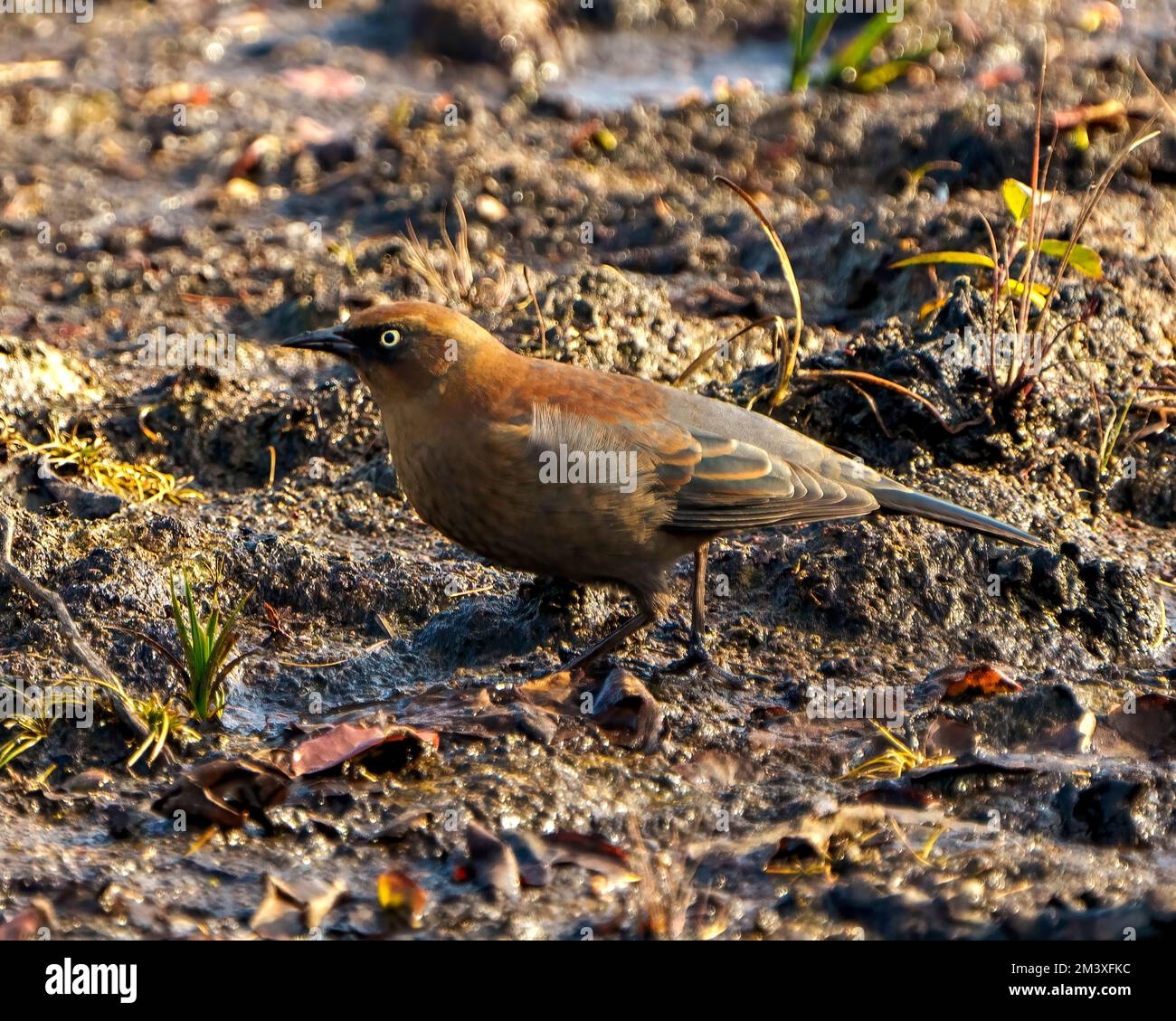
A Rusty Blackbird has been noted at feeders in Durham since November 19, and on November 20 at Bailey Island in Harpswell, an Orange-crowned Warbler was observed alongside a cooperative Barred Owl.
The most specific sighting involved a female Varied Thrush on private property in West Bath, first alerted to on November 19 and seen multiple times on November 20, although location details remain private.
The private homeowner granted permission for a Saturday Morning Birdwalk group to visit the site on November 21, rewarding the group for their patience during this delicate observation period.
The persistence of these migratory and resident species, even as conditions become “rather wintery,” speaks to the complex resilience within the regional ecosystem.
Some might argue that these field notes represent mere amateur enthusiasm, not rigorous ecological data, but the sheer concentration of species during a transition period offers valuable bio-monitoring context for regional environmental agencies, such as those found at the Environmental Protection Agency.
Experts in avian ecology stress that such localized data collection helps refine migration corridor understanding across the Northeast, informing land management strategies for the coming winter months.

A review of established avian monitoring protocols, detailed in the U.S. Fish and Wildlife Service guidelines, confirms the value of detailed, localized patch list accumulation like the one reported.
The practical consequence of these sightings is better local stewardship; community groups like the one on November 21 are directly engaging with landowners to facilitate wildlife viewing without compromising privacy, a balance crucial for public engagement with natural resources.
Protecting these localized observation sites, like the one in West Bath, highlights the tension between scientific data collection and private property rights, a point often debated in local zoning and conservation planning documents available through Maine state resources.
The dedicated documentation of specific birds, like the Rusty Blackbird appearing at Durham feeders, provides granular data points that larger, less frequent surveys might miss, helping track population dynamics over time.
The detailed record shows a mix of vagrant, migrant, and resident species, indicating an active and varied biological landscape even as the calendar turns toward deeper winter.

Minnesota State Women Finish Eighth Men Finish Ninth at NCAA DII Central Region Championships
Minnesota State's women placed eighth and the men ninth at the NCAA Division II Central Region Championships on...

OSU QB Drew Mestemaker Questionable vs. Arizona State After Boarding Team Plane
Oklahoma State quarterback Drew Mestemaker boarded the team plane to Phoenix on Friday, but the Cowboys’ Friday night...

Nevada Child Abuse and Neglect Definitions and Mandatory Reporting Statutes
Child abuse Nevada statutes define harm through physical, mental, or negligent treatment in 2026. The Nevada Revised Statutes...

Dierre Hill Jr. injury update shows promise on Saturday
Dierre Hill Jr. injury update shows promise on Saturday. The No. 13 Oregon Ducks took down the Michigan...