Six months of silence can cost a parent their rights in Maine.
The threshold appears in Title 22, Section 4002 of the Maine Revised Statutes, where the legislature defines abandonment as any conduct showing an intent to forgo parental duties or relinquish claims. A half-year without meaningful communication or visitation meets the standard.
So does failure to participate in a reunification plan, deserting a child without identification, or failing to respond to child protective proceedings. A catch-all provision covers any other conduct indicating an intent to forgo parental duties.
The same statute spells out exactly what puts a child’s health or welfare in jeopardy — the trigger for serious state intervention. Abuse or neglect covers physical, mental, or emotional injury; sexual abuse or exploitation; deprivation of essential needs; and lack of protection by a person responsible for the child. Jeopardy means serious harm or the threat of it, whether from inadequate food, clothing, shelter, supervision, or necessary health care.
Sexual exploitation and trafficking are written into the law with unusual breadth. The statute incorporates Title 17-A provisions on sexual exploitation of a minor, aggravated sex trafficking, sex trafficking, and patronizing prostitution of a minor.
It also adopts the federal standard in 22 U.S.C. § 7102(4) — the recruitment, harboring, transportation, provision, or obtaining of a child for a commercial sex act — and applies it regardless of whether the trafficker is a person responsible for the child.
Mental or emotional injury counts as serious harm when it is likely to produce a serious mental, behavioral, or personality disorder, including severe anxiety, depression, withdrawal, untoward aggressive behavior, or seriously delayed development. The statute treats that impairment on par with physical injury.
Mandatory reporters must act when they know or have reasonable cause to suspect a child has been or is likely to be abused or neglected, or when a suspicious child death occurs. The obligation attaches to doctors, teachers, law enforcement, and a long roster of other professionals who work with children.
The law carves out a narrow religious exemption. A child cannot be deemed abused, neglected, or in jeopardy solely because treatment is provided by spiritual means through an accredited practitioner of a recognized religious organization. The exemption appears twice in the statute, showing the legislature’s intent to protect religious practice while maintaining the baseline for physical and sexual abuse.
The provisions create a framework that reaches beyond bruises and broken bones. They capture the slow erosion of a child’s well-being through emotional neglect, the predatory economy of trafficking, and the legal finality of a parent’s withdrawal. The definitions are precise because the consequences — removal, termination of rights, criminal referral — are irreversible.
Worth a look
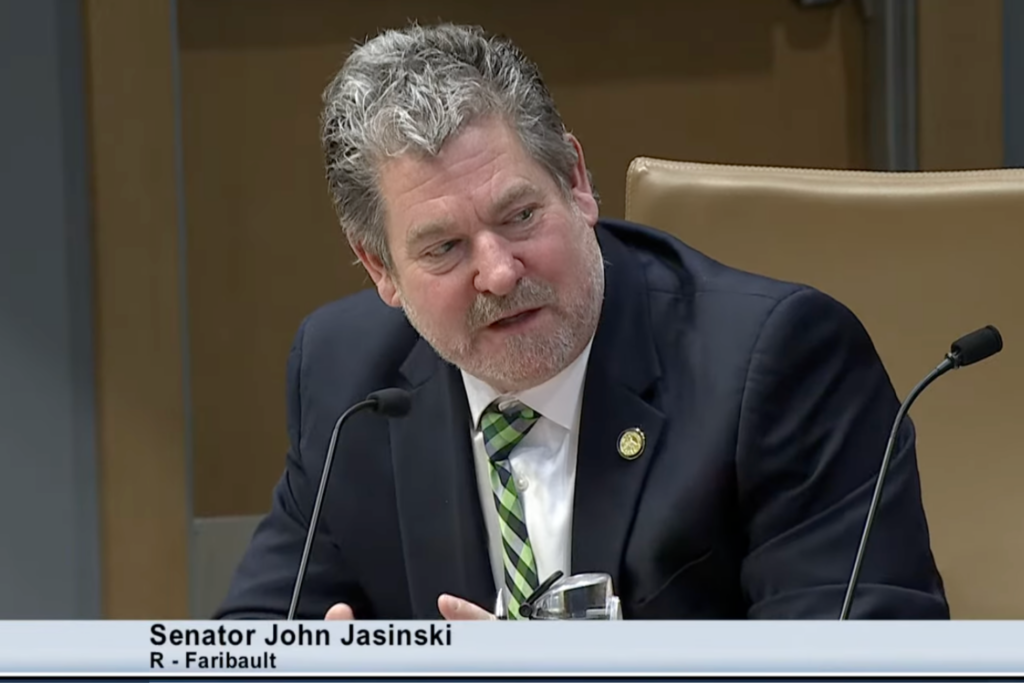
Sen. John Jasinski Urges Fiscal Restraint Under New Democratic Trifecta
In a column for Minnesota Senate Republicans, Sen. John Jasinski argued that the incoming Democratic trifecta at the...

Black Friday Hotels 2026 in Sierra Nevada | Meliá
Travelers looking to hit the slopes in the Sierra Nevada this winter are seeing a surge in promotional...

Providence Sacred Heart Revamps Hospital Dining With Chef-Driven Menus and Regional Ingredients
Providence Sacred Heart Medical Center is moving away from the "stodgy" reputation long associated with institutional food, shifting...

Dejounte Murray Trade Market Lukewarm as Suns Show Limited Interest
Dejounte Murray’s request for a trade from the New Orleans Pelicans has hit a major obstacle, as league-wide...