
The Real Cost of Cold Hands: Choosing the Right Gear for Winter
If you spend any significant time outdoors during the winter months, you likely understand the distinct, biting frustration of poor circulation. For those of us who live in a state of perpetual cold hands, the difference between an enjoyable day on the slopes and a miserable, abbreviated outing often comes down to a single choice: gloves or mittens. While gloves offer the dexterity required to operate ski poles or adjust bindings, mittens provide a thermal advantage that is difficult to ignore. A recent analysis by SKI testers and editors highlights that for the most extreme conditions, trading some finger mobility for the heat-trapping power of a mitten is often the only way to stay outside.
The stakes here are more than just comfort. Prolonged exposure to sub-freezing temperatures—especially when combined with wind chill—can lead to localized cold injuries, ranging from simple numbness to more severe tissue damage. As reported by SKI, the market for thermal handwear has evolved to address these physiological demands, utilizing everything from cryogenics-inspired insulation to active, battery-powered heating systems. Selecting the correct pair requires balancing your specific activity level against the environmental conditions you expect to face.
High-Performance Insulation: From Cryogenics to the Slopes
For those prioritizing pure heat retention, the Mainers Mitts have emerged as a top performer. Interestingly, the manufacturer, Tempshield, maintains a background in developing personal protective equipment for laboratory environments where workers handle materials at temperatures below −200°F. This technical pedigree is evident in the mitt’s construction, which utilizes a waterproof Gore-Tex liner and recycled 3M Thinsulate. While the mitts require a break-in period to soften the goat leather and nylon shell, testers noted that the lack of internal bulk preserves enough dexterity for most skiers.
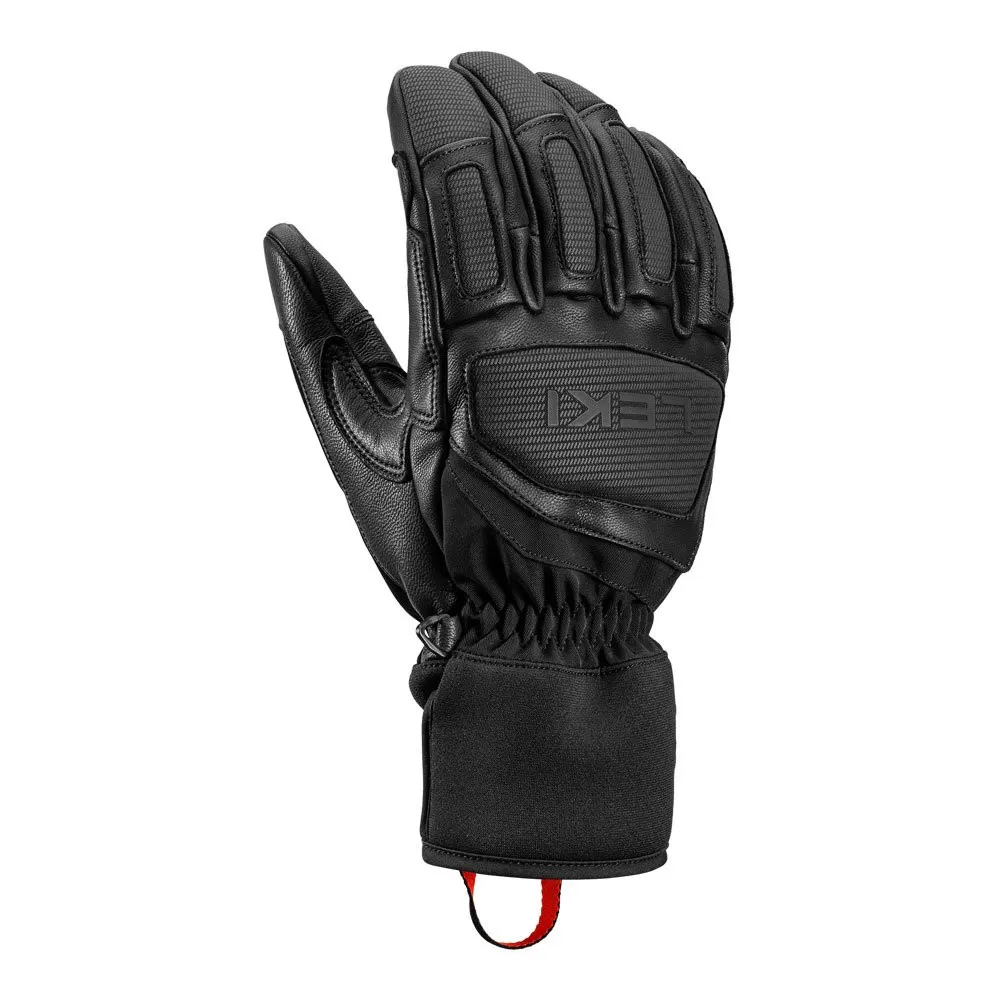
If your preference leans toward the precision of a glove, the LEKI Griffin Pro Zero offers a different approach. Crafted with PrimaLoft Gold—a synthetic material widely regarded as one of the most efficient insulators—these gloves excel in grip and tactile sensitivity. However, there is a clear trade-off: they are water-resistant rather than fully waterproof. This makes them an excellent choice for cold, dry days, but a poor candidate for wet spring conditions or heavy precipitation.
When to Opt for Heated Technology
For individuals who suffer from chronically cold hands regardless of the gear, passive insulation may not be enough. The Swany Nexus Heated Glove represents the current standard in active warming. By integrating ewool technology, these gloves deliver heat directly to each fingertip. Unlike many older models that required cumbersome battery removal, the Nexus features a built-in charging port on the cuff. At the other end of the spectrum, the Outdoor Research Sureshot Heated Soft-Shell Gloves are designed for lower-intensity use, such as walking a dog or standing in a stadium, proving that heated technology is no longer limited to high-altitude mountaineering.
Market Trends and Durability Considerations
Not all gear is built for a lifetime of use. The Columbia PowBound gloves, for instance, are positioned as a high-value entry point. While they lack the premium materials found in the Hestra Fall Line—which is constructed from rugged cowhide and includes a leather balm for maintenance—the PowBound gloves offer essential weather protection at a more accessible price point. The Hestra Fall Line remains a favorite at resorts, favored for its durability and the ability to replace liners, though it demands a significant break-in period to reach peak comfort.
Ultimately, the “best” gear depends on your specific environment. The Gordini Alp Pro Mitt, for example, utilizes waxed leather to balance heat retention with breathability, ensuring that hands do not become clammy during high-exertion activities. Because this leather is difficult to wash, users are advised to be mindful of how they clean the exterior. As winter approaches, the choice between these options should be guided by your local climate and whether your primary concern is mechanical precision or thermal survival.
Worth a look

Experimental Heart Disease Drug Pelacarsen Fails to Prevent Heart Attacks and Strokes
Pelacarsen Clinical Trial Failure Rattles Pharmaceutical Outlook The pharmaceutical industry faced a sharp market reality check this Saturday...

Cheyenne Bong Argues for Systemic Change Following Cornell Incident
The Cost of Silence: Reflecting on Nine Years of #MeToo In a recent column for The Mount Observer,...

New Mississippi River bridge opens near Lansing, Iowa
A Vital Artery Reconnects the Driftless Region “The Black Hawk Bridge is the artery that moves the traffic...

Utah Governor Declares State of Emergency in San Juan and Washington Counties After Devastating Floods
Governor Cox Declares Emergency as Utah Flood Recovery Stalls For residents in southern Utah, the past two weeks...