Caye Caulker, Isla Holbox, and Little Corn Island Eliminate Tourist Vehicle Congestion
Travelers seeking a reprieve from the logistical stressors of modern tourism are increasingly pivoting toward destinations that have institutionalized car-free environments. According to reporting from Travel Off Path, three tropical islands—Caye Caulker in Belize, Isla Holbox in Mexico, and Little Corn Island in Nicaragua—have implemented strict bans on private tourist vehicles to preserve local ecosystems and maintain a slower pace of life.
This shift represents a departure from the traditional resort experience where traffic, parking scarcity, and noise pollution often mirror the environments travelers attempt to leave behind. By replacing internal combustion engines with bicycles, footpaths, and electric golf carts, these islands force a structural change in how visitors navigate their surroundings.
The “Go Slow” Mandate in Caye Caulker
Caye Caulker, located a short ferry ride from Belize City, has built its reputation around a singular, enforced philosophy: “Go Slow.” The island strictly prohibits private cars, allowing only essential service trucks such as garbage collection on its sand-packed streets.
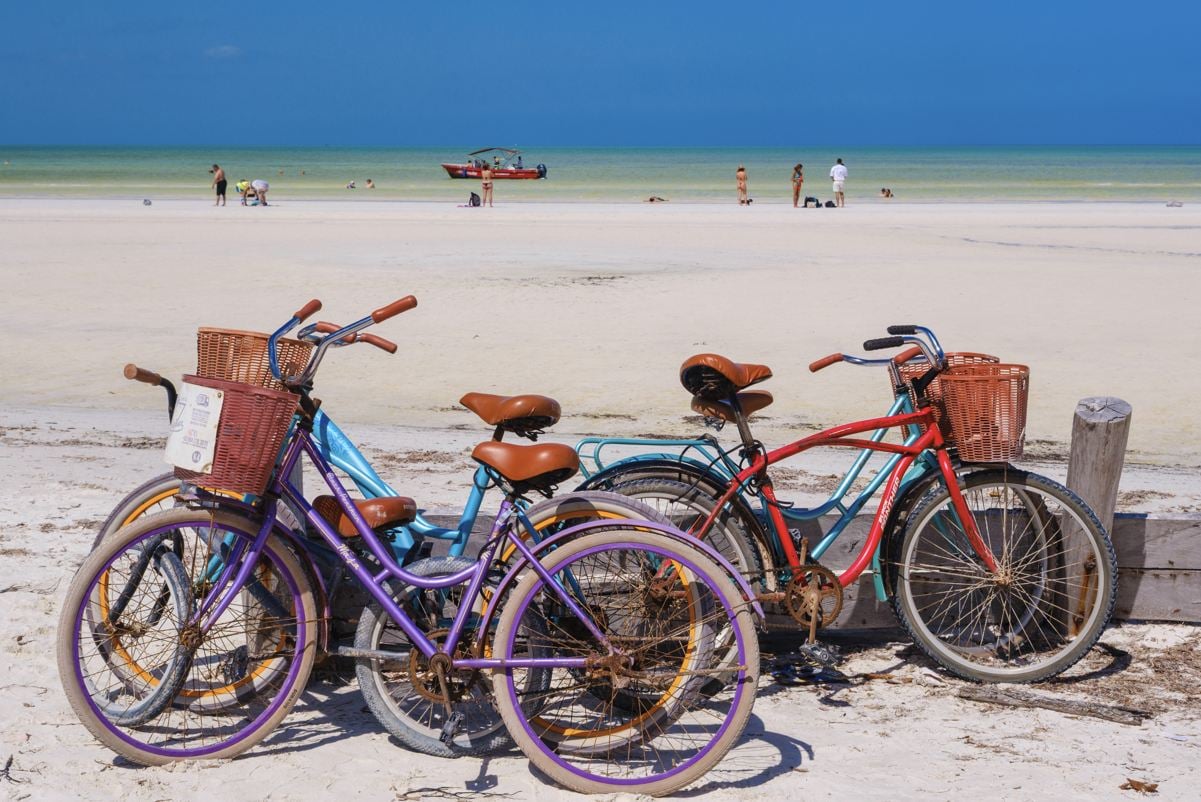
The island’s infrastructure relies on a fleet of beach cruiser bicycles and modified golf carts that function as local taxis. Positioned adjacent to the second-largest barrier reef in the world, the destination offers significant cost advantages compared to the Bahamas or the Virgin Islands. Travelers here utilize the United States Dollar, which is accepted at a consistent two-to-one exchange rate.
For visitors navigating the island, the northern tip—known as The Split—serves as a primary hub. It features the Lazy Lizard bar, where the water is shallow enough for patrons to stand waist-deep while consuming local beverages. The absence of traditional traffic allows for a pedestrian-centric environment where the primary logistical consideration is negotiating boat tours in English.

Isla Holbox and the Preservation of the Yum Balam Nature Reserve
Situated two hours north of the Yucatan Peninsula’s major tourist corridors, Isla Holbox offers a stark contrast to the development found in Cancun and Playa Del Carmen. As part of the Yum Balam nature reserve, the island is legally restricted from allowing traditional vehicles.
Transport on the island is limited to walking, renting fat-tire bicycles, or utilizing golf cart taxis. The environment is defined by soft white sand roads and shallow, calm turquoise waters. The island’s aesthetic is notably bohemian, with local infrastructure decorated by street art.
Financial logistics on Isla Holbox require advanced planning. While ATMs are present, they frequently experience cash shortages during peak winter weekends, and many local vendors do not accept credit card payments. The island’s central square serves as the primary dining district, where local vendors operate open-air grills serving al pastor tacos and Marquesitas, a local sweet crepe.

Total Vehicle Isolation on Little Corn Island
Little Corn Island in Nicaragua represents the most extreme iteration of the car-free model among the three locations. Unlike Belize or Mexico, where golf carts are permitted for transit, Little Corn Island prohibits all motorized vehicles for tourists.
The transit network consists exclusively of concrete footpaths and dirt trails. Reaching the island requires a multi-stage journey: a flight to mainland Nicaragua, a secondary flight to Big Corn Island, and an open boat transit across the sea. This isolation keeps the island largely untouched by commercial development.
The lack of motorized transport limits the ability of commercial fishing boats to dock and move goods, which has resulted in an abundance of low-cost local seafood. Lobster tail, caught daily, is a staple at local cafes. Because there are no vehicles to assist with luggage, the logistics of visiting require travelers to carry their own belongings in backpacks from the ferry dock to their accommodations.
Impact on the American Travel Market
For the American traveler, the transition to these car-free environments fundamentally alters the vacation cost structure and physical requirements of the trip. While the removal of car rentals and fuel costs can reduce overhead, the logistical burden of moving luggage by hand and the necessity of carrying physical cash—particularly in Mexico and Nicaragua—requires a higher level of planning than a typical all-inclusive resort stay.
The primary friction point remains the balance between accessibility and isolation. As these destinations gain popularity, the infrastructure for bicycles and golf carts faces increased demand, yet the local regulations remain a fixed barrier to the introduction of traditional vehicle tourism. For those prioritizing silence and environmental preservation over traditional convenience, these islands represent a specific segment of the travel market that bypasses the noise and congestion of the mainland.

Worth a look

Five Dead and Dozens Injured in Mass Shooting in Krakow Market Square
Fatal Shooting Strikes Krakow Main Market Square A lone gunman in military-style fatigues opened fire in the heart...

British Soldier Court-Martialed After Sextortion Blackmail Attack
The Cost of a Compromised SIM: A British Soldier’s Legal Downfall A British soldier’s failure to adhere to...

Paraguay Senate impeaches President Santiago Pena after Ueno Bank collapse
Paraguay’s Presidency Collapses as Ueno Bank Insolvency Triggers Political Purge The political career of Paraguayan President Santiago Pena...

Muhyiddin Calls for Anwar to sack ministers not aligned with administration
Muhyiddin Yassin Calls for Cabinet Purge Amid Growing Unity Government Friction Bersatu president Muhyiddin Yassin has publicly urged...