Governor Cox Declares Emergency as Utah Flood Recovery Stalls
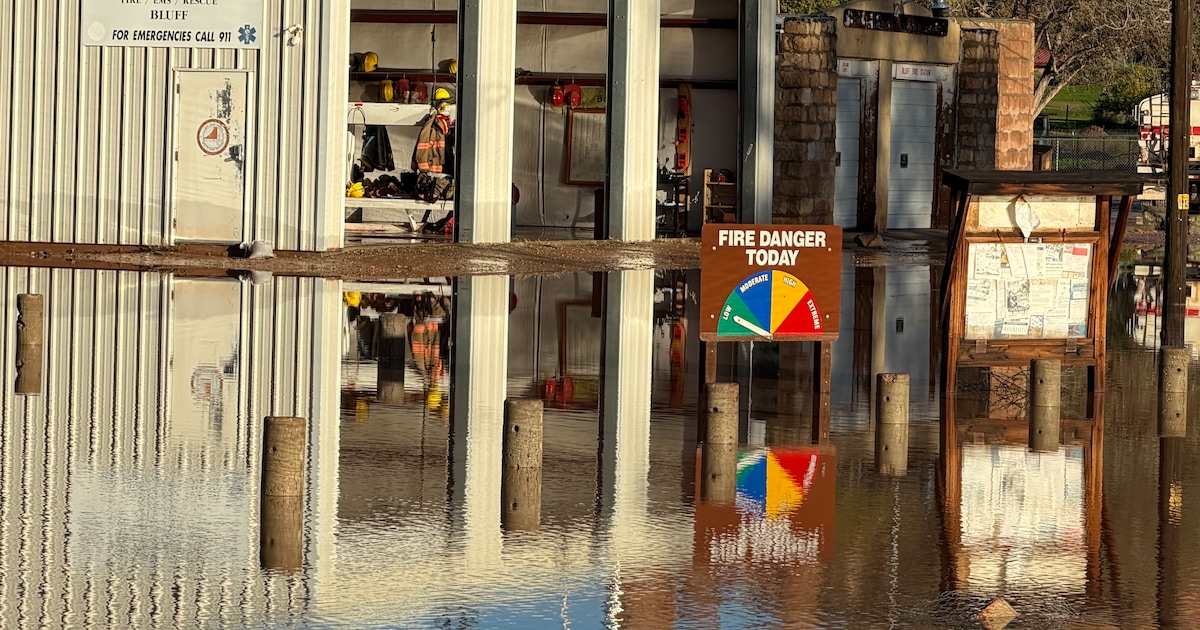
For residents in southern Utah, the past two weeks have been defined by the sound of rushing water and the slow, grueling labor of clearing mud from their living rooms. On Friday, November 6, Governor Spencer Cox finally formalized the state’s response to the devastation, signing an executive order declaring a 30-day state of emergency for San Juan and Washington counties. This move comes as the region grapples with the long-term fallout of flash floods that have compromised drinking water, severed critical travel arteries, and left homes across the Four Corners region uninhabitable.
The declaration serves as a necessary unlock for local governments struggling to manage the sheer scale of the damage. While the state’s involvement is intended to expedite resources and potentially clear a path for federal aid, for many, the relief arrives after weeks of mounting anxiety. As reported by The Salt Lake Tribune, San Juan County moved to declare its own emergency on November 1, following an earlier declaration by the town of Bluff on October 25. The delay in state-level mobilization has left small, rural municipalities to navigate complex bureaucratic requirements with limited staff—a challenge that often feels designed for larger, better-resourced cities rather than the tight-knit communities along the San Juan River.
The Hidden Friction of Infrastructure and Jurisdictional Lines
The physical scars left by the water are stark. A massive chasm in the Comb Wash Bridge has effectively cut off the route between Bluff and Monument Valley, creating an economic bottleneck for a region that relies heavily on tourism. Beyond the structural damage, environmental health risks are lingering. Soil saturation remains high, and E. coli levels in the San Juan River have surged to ten times the threshold that typically triggers a public health advisory.

The recovery effort is further complicated by a complex web of jurisdictions. A significant portion of the affected land sits within the Navajo Nation, which issued its own emergency declaration back in September. San Juan County Commissioner Jamie Harvey, who resides in the impacted community of Montezuma Creek, noted that the state’s involvement is vital to streamlining the mutual aid agreements necessary to get equipment onto tribal lands. The objective is to create a seamless pathway where county and state crews can legally repair roads and culverts that span these complicated borders.
The flood waters might have receded, but the flood of paperwork has just begun.
said Bluff Mayor Josh Ewing. His struggle to secure resources highlights the “so what” of this disaster: rural areas often lack the administrative bench strength to satisfy the stringent documentation required for state and federal assistance. When a town’s infrastructure is washed out, the immediate need is for berms and bridge repairs, not a mountain of administrative filings.
A Recurring Pattern of Environmental Stress
The devastation in Washington County, particularly in Hurricane, suggests that this is not an isolated event. Some residents have faced severe flooding twice since August, pointing to a recurring vulnerability in the local landscape. While Commissioner Gil Almquist emphasized that the “boots on the ground” effort has been commendable, the exhaustion among homeowners is palpable. The reality for these families is that their homes remain covered in mud, and the question of long-term resilience—whether through better drainage or fortified infrastructure—remains an open, urgent debate.
The state’s emergency declaration is intended to bridge this gap, but the path ahead remains steep. As the winter months approach, the focus will shift from immediate crisis management to the long-term restoration of the Four Corners’ broken supply lines. For the people of Bluff, Montezuma Creek, and Hurricane, the state’s promise of support is a welcome pivot, but it is one that must overcome both the physical erosion of the land and the administrative inertia that often slows the flow of recovery dollars to the places that need them most.
Related reading
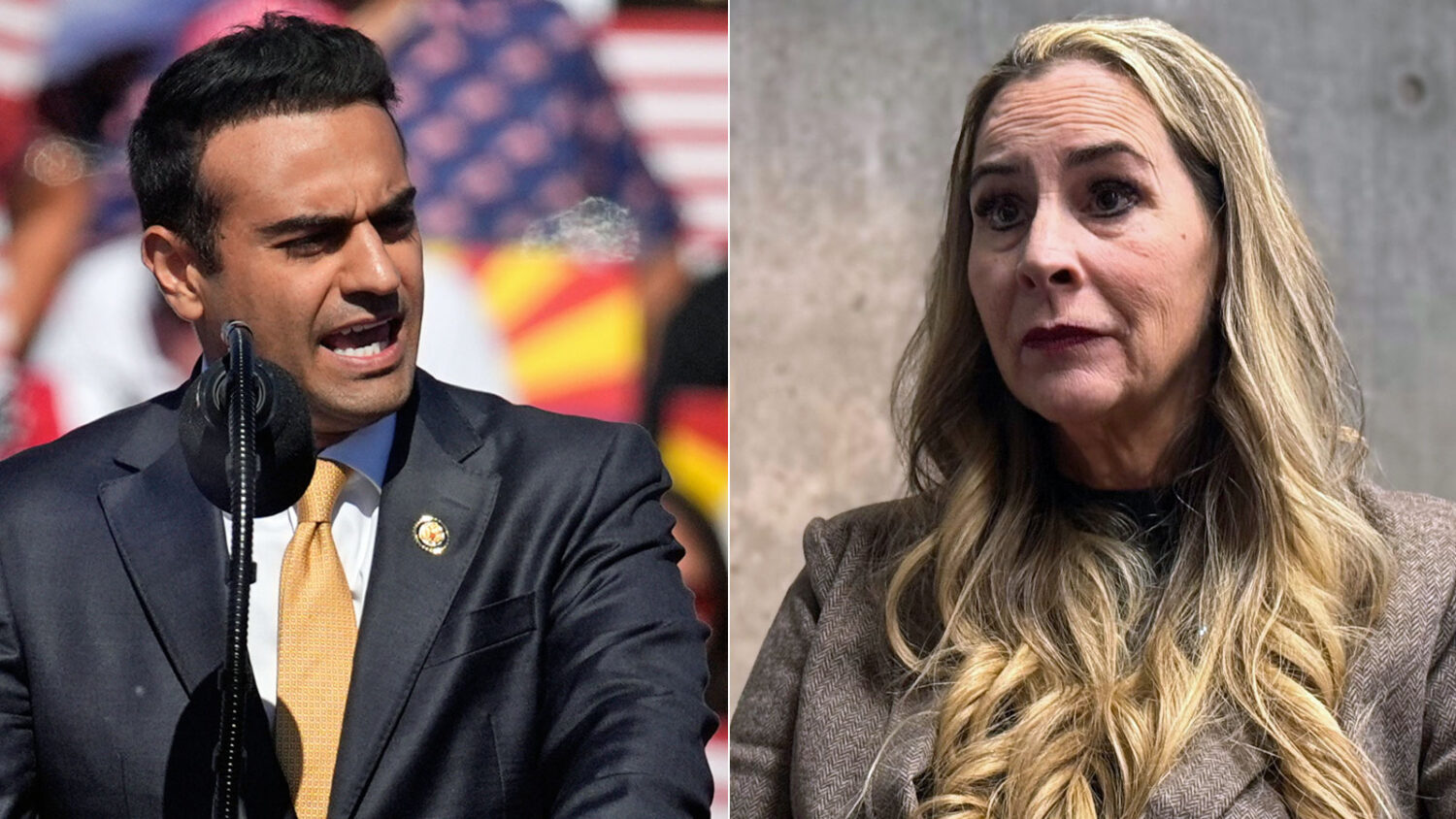
Abe Hamadeh Wins Reelection in Arizona’s 8th Congressional District
A Narrow Hold in the West Valley Republican U.S. Rep. Abe Hamadeh has secured a second term in...
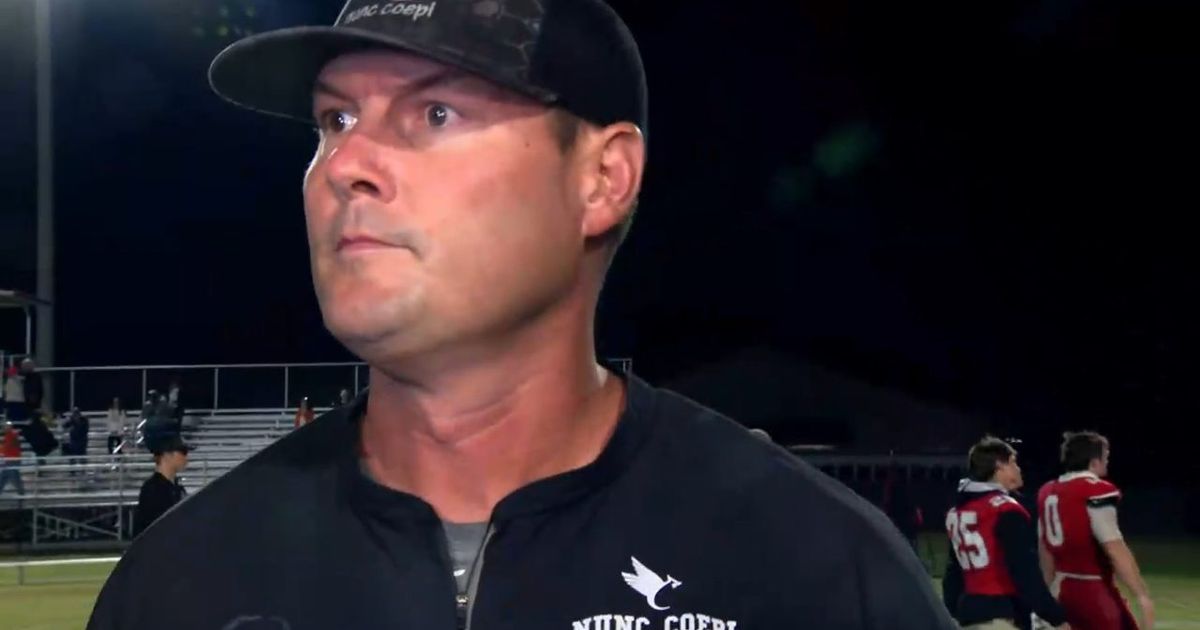
Philip Rivers Reflects on Future With NC State After High School Playoff Loss
The Sideline Transition at St. Michael The field at St. Michael Catholic High School in Fairhope, Alabama, looked...

Experimental Heart Disease Drug Pelacarsen Fails to Prevent Heart Attacks and Strokes
Pelacarsen Clinical Trial Failure Rattles Pharmaceutical Outlook The pharmaceutical industry faced a sharp market reality check this Saturday...

Cheyenne Bong Argues for Systemic Change Following Cornell Incident
The Cost of Silence: Reflecting on Nine Years of #MeToo In a recent column for The Mount Observer,...