
Dublin’s Transit Freeze Begins
Central Dublin has entered a period of unprecedented logistical lockdown as the city prepares to host fifty European leaders for two back-to-back summits.
Starting at 7 a.m. this morning, heavy traffic restrictions and security cordons took effect, signaling the beginning of an operation that will disrupt the capital’s movement through Friday evening, RTÉ reported.
Happy Tuesday! 😊🚌🚆 Significant travel disruption begins in central Dublin today due to security arrangements for the EU Presidency meetings. From 7am, North Wall Quay will be closed between Samuel Beckett Bridge and Spencer Place, while buses will be diverted from the quays…
— Post by @TFIupdates on X National Transport Authority
The core of the disruption centers on the North Wall Quay, which has been closed to both vehicular and pedestrian traffic between Guild Street and New Wapping Street.
This serves as the initial phase of a security perimeter designed to protect the Convention Centre Dublin, the venue for the ninth meeting of the European Political Community and the subsequent informal meeting of EU Heads of State or Government, according to Transport for Ireland.
The Ripple Effect on Commuters
For those navigating the city, the situation is set to intensify mid-week. Dublin City Council Transport Department Executive Manager Brendan O’Brien noted that while Tuesday poses challenges, Thursday remains the most critical day for commuters. The closure of the Samuel Beckett Bridge, beginning Wednesday at 8 p.m., is expected to create a significant bottleneck, pushing traffic congestion into the wider city grid.
Public transport users face a complex series of diversions. The National Transport Authority has confirmed that every bus route in the city will likely see knock-on effects. Real-time information displays at bus stops will be disabled for the duration of the summits, requiring passengers to rely exclusively on mobile apps and the official Transport for Ireland website for updates.
Meanwhile, the Luas Red Line will suspend service to the Mayor Square and Spencer Dock stops starting Wednesday evening, with no service operating east of Busaras or Connolly on Thursday and Friday.
Local Business and the Cost of Security
While the summits represent a high-profile moment for Ireland’s EU Presidency, the economic reality for local businesses near the security zones is stark. Some owners have reported that the scale of the closures makes normal operation impossible.

It’s a shame something that should be positive for Ireland has a negative impact on the local businesses.
This sentiment, reported by The Irish Times, underscores the tension between national diplomatic priorities and the day-to-day survival of city-centre firms. One local café owner estimated that closing for two days could wipe out roughly six weeks of profit, citing the fixed costs of rent, rates, and staff wages that continue to accrue regardless of the security lockdown.
Other establishments, such as the Nutbutter at Grand Canal Dock, have already recorded a dip in trade, with managers bracing for a 6 percent decline in sales throughout the week.
A Unprecedented Security Undertaking
The security operation, dubbed “Operation Brehon,” is being described as the largest in the history of the State, according to The Journal. The deployment involves a massive inter-agency effort, integrating frontline Gardaí, the Special Detective Unit, and the Air Support Unit. Furthermore, the Irish Defence Forces have confirmed the involvement of over 700 personnel, including aircrews and naval units.
In a move reflecting the modern threat landscape, the security plan—which was heavily informed by similar summits held in Denmark in 2025—includes cooperation with foreign naval vessels to bolster maritime surveillance.
While security sources have indicated there is no intelligence suggesting a specific, imminent attack, the focus remains on preventing potential hybrid warfare incidents. The presence of international security assets, including foreign naval ships off the coast, highlights the high-stakes nature of hosting such a dense concentration of European leadership.
As the city settles into this week-long state of restricted movement, the message from authorities remains consistent: if a trip to the city centre is not essential on Thursday or Friday, it is best avoided. For those who must travel, the advice is to treat the commute as a multi-modal puzzle, allowing for significant delays and potential last-minute changes to routes that have served the city for years.
Keep reading

NIH Study Links Two Forever Chemicals to Higher Risk of Aggressive ER-Negative Breast Cancer
“Women deserve clear answers about how chemicals in their environment may affect their health,” HHS Secretary Robert F....

Pilot Lung Screening Success Prompts Irish Cancer Society Call
A Life-Saving Catch in a Pilot Program Con Shanahan considered himself a healthy, fit man who enjoyed hiking...

Coffee and Tea Consumption Linked to Lower Atrial Fibrillation Risk
Coffee and tea consumption patterns affect AF risk Drinking two to three cups of coffee daily may be...
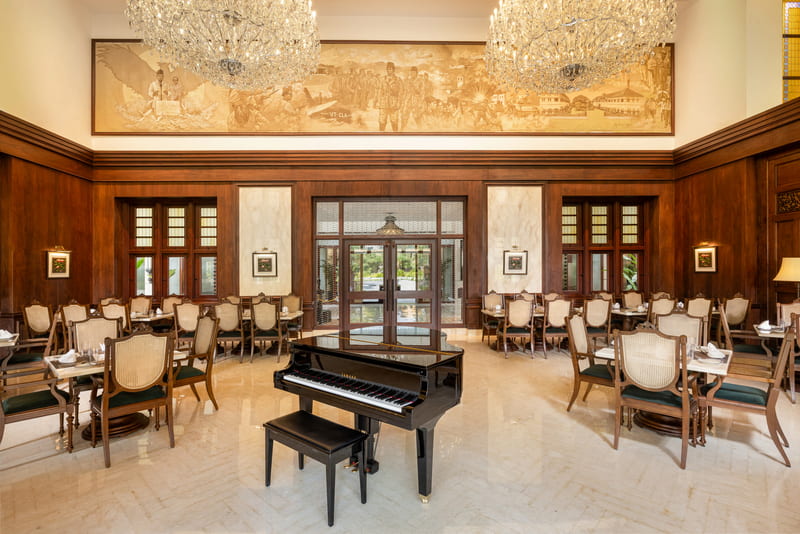
Grand Hotel De Djokja Announces 2026 Festive Heritage Celebrations
Grand Hotel De Djokja unveils 2026 holiday schedule The festive season in Yogyakarta is set to center around...