
A man is dead, and Austin is grappling with its 48th homicide of the year after a fatal shooting Thursday morning behind a central Austin gas station. The incident, reported by CBS Austin, unfolded with a jarring sequence of events that left police and the community trying to piece together what led to the violence. Around 11:30 a.m., officers were called to the gas station in the 3900 block of Guadalupe Street, just across from the Austin State Hospital, where they found a man with obvious injuries. Despite immediate first aid, the man was transported to a hospital and was pronounced dead less than 20 minutes later, at 11:48 a.m.
What makes this case particularly stark is the role of the suspect. According to Cpl. Jose Mendez, police received two 911 calls related to the shooting. The first came from a woman pumping gas who reported hearing a heated argument followed by several gunshots. The second call, however, came from the man suspected of pulling the trigger. Police have since detained the suspect, who is reportedly cooperating with investigators. A critical detail from investigators is that the two men involved did not appear to know each other, raising immediate questions about the nature of the confrontation.
Police Search for Evidence and Video
The shooting did not happen in plain sight but in a secluded area behind the business, which may explain why a witness was only alerted after the gunfire had ceased. This location detail is crucial for detectives as they canvass the area for evidence and surveillance video. “Detectives and crime scene specialists were canvassing the area Thursday afternoon for witnesses and surveillance video,” Mendez stated, highlighting the active and methodical nature of the police response. This is a standard procedure in homicide investigations, but the stakes feel especially high given the city’s escalating homicide count for 2026.
Adding another layer to the puzzle is the information that police had “several previous interactions with the man who died but did not elaborate.” This detail, while vague, suggests a potential history or pattern that could be relevant to understanding the circumstances, though it does not, on its own, explain why the fatal argument occurred. For now, investigators have not determined what specifically led to the argument, leaving a key part of the story unanswered. The fact that the shooter called 911 himself—a move that can sometimes indicate a belief that the shooting was justified—adds a complex human element to a very raw and tragic situation.

An Isolated Incident in a Year of Violence
Despite the lack of an apparent connection between the victim and the suspect, Austin police are urging the public not to panic. “Police believe the shooting was an isolated incident and said there is no threat to the public,” Mendez confirmed. This is a crucial message for a city that has seen a significant rise in violent crime. To put the number in perspective, the 48th homicide of 2026 marks a grim milestone. While official year-over-year comparisons for 2026 are not yet fully available, this figure places Austin on a trajectory that, if it continues, could rival or exceed the homicide totals seen in recent years, which have been a source of significant civic concern.
The Austin Police Department’s response is twofold: contain the immediate threat and actively seek information from the community. In addition to their on-the-ground investigation, police have released a tip line number for anyone with information or video of the incident. The number, 512-974-8477, serves as a direct line for residents who may have seen something but have not yet come forward. This outreach is essential, as community tips often provide the critical break needed in cases where the relationship between parties is unknown.
When a suspect and victim are strangers, it points to a breakdown in public safety that isn’t about personal disputes. It’s about the environment where such random violence can occur.
City Confronts Public Safety Challenges
This single shooting, while tragic, is part of a larger, more complex story unfolding in Austin. The city’s homicide count is more than just a statistic; it represents lives lost, families shattered, and a community forced to confront a persistent and challenging public safety issue. The “so what?” for Austinites is clear: each of these 48 incidents affects someone, somewhere. It could be a business owner on Guadalupe Street who now feels less secure, a parent living nearby who worries about their children’s safety, or a resident who feels the strain on police resources meant to serve the entire city.
Some might argue that a single, seemingly random incident behind a gas station is an anomaly, a tragic but unavoidable event. Others would counter that even one such incident in a secluded, public space is a symptom of deeper issues, suggesting that the fabric of public order is fraying. This perspective frames the issue not just as a law enforcement problem but as a civic one, requiring a comprehensive look at everything from economic disparity to mental health services to the availability of illegal firearms. The police call for calm is necessary, but the unanswered question for many is what systemic steps are being taken to prevent the 49th and 50th homicides.

The investigation into this specific case continues, with detectives working to understand the argument that led to the gunfire and to build a complete picture of the events. As they do, the city moves forward, carrying the weight of another life lost and the ever-present challenge of ensuring its streets remain safe for everyone. The gap between a police department’s assurance of an “isolated incident” and a community’s lived experience of rising violence remains one of the most difficult divides to bridge in public life.

James Gates sues OpenAI alleging ChatGPT assisted wife’s plot
A North Carolina man has filed a lawsuit against OpenAI, alleging that its ChatGPT chatbot was used to...

Wyoming girls state swimming championships begin this Thursday
The Wyoming High School girls’ state swimming and diving championships kick off Thursday, Friday, and Saturday in Gillette....

Mitchell Robinson takes on new role as Celtics face early slump
Robinson's Rebound: A New Role for Boston's Center Seven games into the season, the Boston Celtics have their...
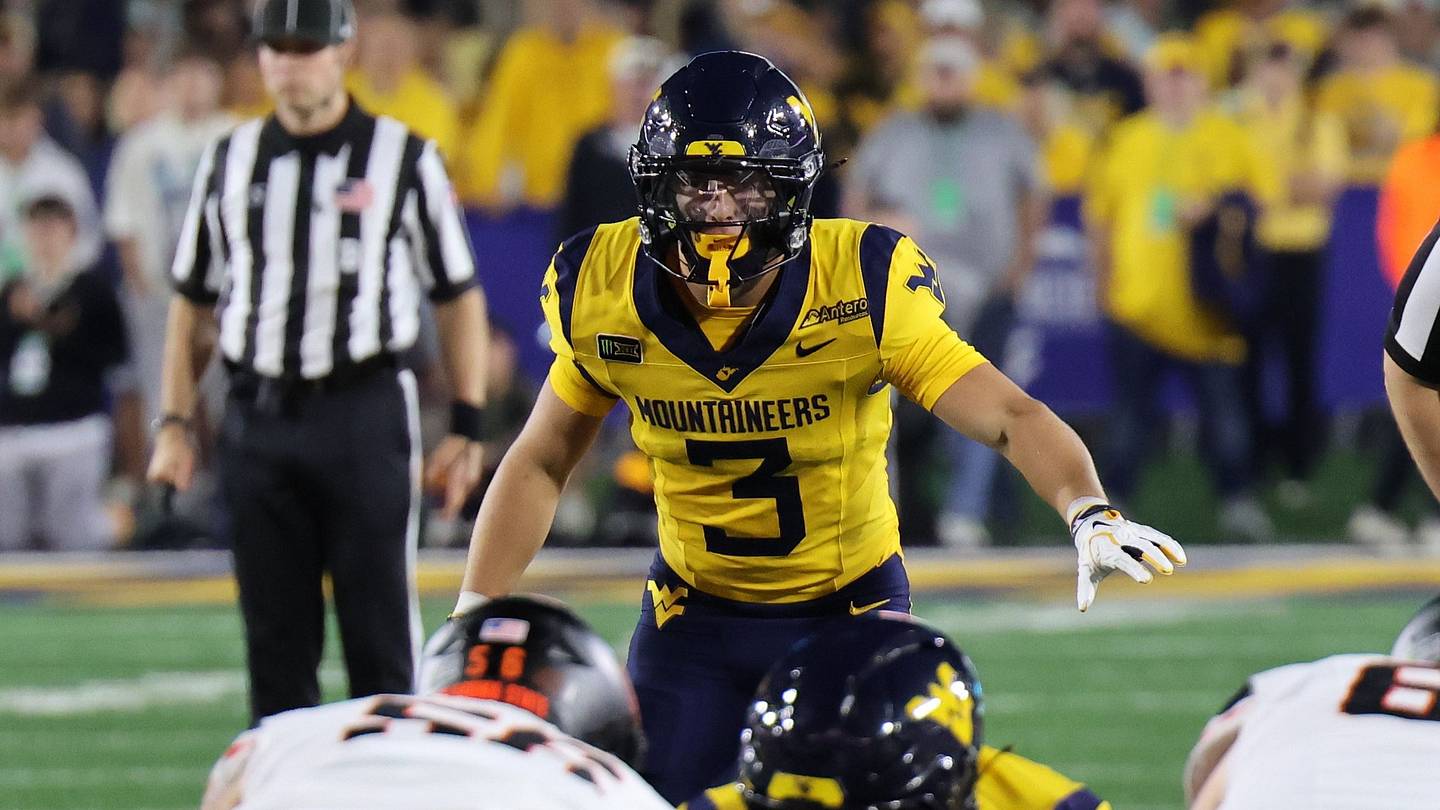
WVU Injury Update: Sieg, Weaver-Bomar Trending to Play at Texas Tech
West Virginia Mountaineers Get Key Injuy Boost: S Matt Sieg, WR Armoni Weaver-Bomar Trending to Play at Texas...