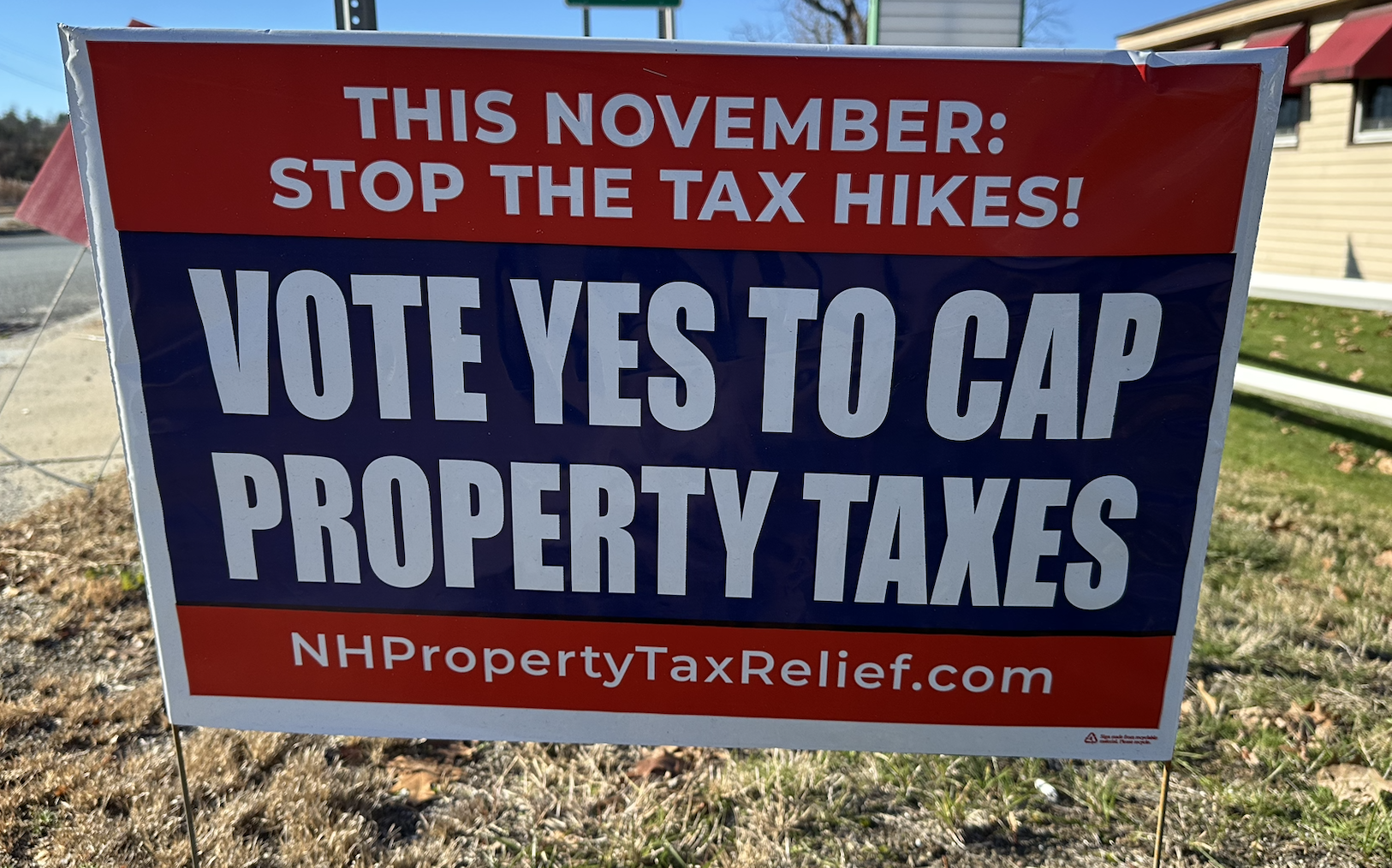
Manchester school tax cap supporters are heading into a recount this Friday, hoping to flip a razor-thin defeat into a victory that would impose new limits on local education spending.
The November 3 election results left the proposal just 0.06 percentage points shy of the 60% threshold required for adoption, a margin that has ignited a push for a second look at the ballots.
The stakes here are significant for homeowners and city administrators alike, as the measure—codified statewide by HB 1300—would restrict local school property tax growth to inflation and new construction, while capping administrative office spending at 6% of total district appropriations. For supporters, this is about fiscal discipline; for opponents, it is a redundant layer of bureaucracy that could complicate existing city budget protections.
Rich Girard, a former alderman and school board member who led the petition for the recount, views the initial tally not as a loss, but as a mandate. “More people voted for adopting this cap on school taxes and spending than have voted in the last several city elections,” Girard told NH Journal.
He and ten other voters filed for the recount on November 10, setting the stage for officials to begin tallying at the Manchester School District Welcome Center this Friday, November 20.
The current landscape of local taxation in Manchester is already defined by a municipal tax cap, which voters approved back in 2011. This existing policy limits spending growth based on the average annual change in the Consumer Price Index. The tension lies in whether the new, state-level proposal offers more rigorous protection or unnecessary complexity.
While the city’s current cap has been subject to overrides—most notably in June when the Board of Mayor and Aldermen voted 11-3 to approve a $448 million budget—proponents argue that the state-mandated cap could take legal precedence.

Rich Girard, who petitioned for the recount, said adoption of Question 2 would be a much-needed win-win-win for Manchester’s taxpayers, who sent a clear message about reining in taxes.
Alderman Joe Kelly Levasseur, an attorney representing the petitioners, suggests that the narrow margin of defeat justifies the scrutiny. “Twenty-one votes is definitely worth a recount. Eleven out of 12 wards supported it, and it barely lost,” Levasseur told NH Journal.
“The restrictions placed on this tax cap may be better, in some instances, than the city tax cap, especially if Mayor Ruais tries to allow another override. This tax cap may take precedence.” Alderman Joe Kelly Levasseur, an attorney representing the petitioners, told NH Journal.
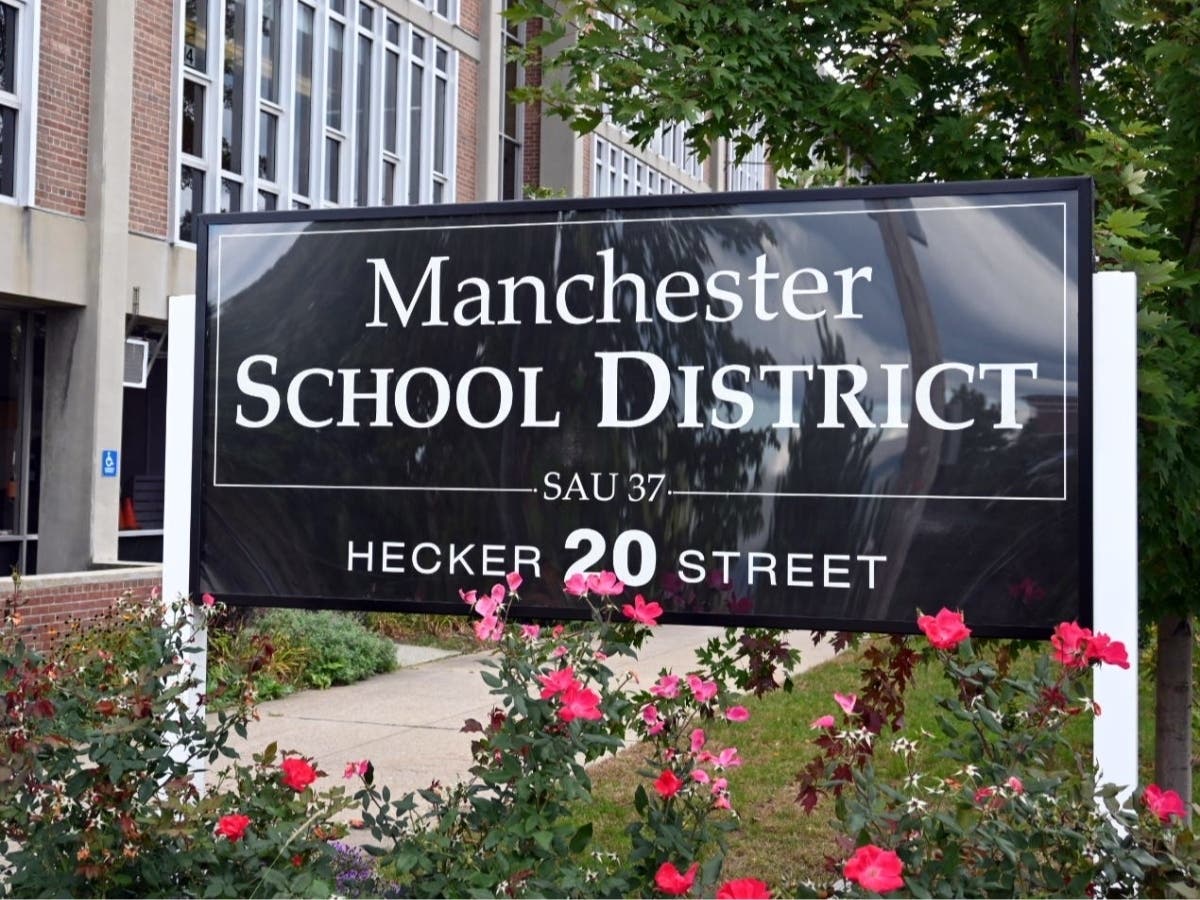
However, the skepticism remains high among those who manage the district’s finances. Matthew Upton, an attorney for the Manchester School District, said that the district currently keeps central office administrative spending at approximately 4.5% of its budget.
He believes the existing municipal cap is generally more restrictive than the proposed HB 1300 standards because it applies to both revenue and expenditures. Despite this, he confirmed the district would run the necessary calculations if the recount flips the result and the measure survives potential legal challenges.
The broader political context adds another layer to the debate, with figures like U.S. Senator-elect Chris Pappas and Alderman Bryce Kaw-uh publicly opposing the measure. “I felt that Question 2 would unnecessarily complicate the budget process for Manchester, where we already have a tax cap that is stricter than what Question 2 would mandate,” Kaw-uh told NH Journal.
He maintains confidence in the city’s election officials, even as supporters like Girard push for the recount to ensure that no technical errors occurred during the initial processing of ballots.
The outcome of Friday’s recount will determine whether Manchester joins a growing list of communities grappling with the balance between school funding needs and property tax limits. With majorities backing the measure in 21 of the state’s 24 Senate districts, the debate over local versus state-level fiscal control is unlikely to end regardless of the final count at 148 Concord Street.
Worth a look

Sioux Falls Murder Mystery Dinner Names Oil Heir Jan 2
Oil tycoon August Drake will name his successor at a thirty-seat murder mystery dinner hosted by The Murder...

Marcus Mumford Marks 20 Years Since First Guitar at 2026 CMA Awards
Marcus Mumford marked 20 years since his first guitar by playing with Chris Stapleton at the 60th annual...

Guide to 6 Charleston-Area Taco Trucks With Authentic Street Tacos Under $3
Exploring the Charleston area's roving taquerias reveals an undercover food scene where diners can find authentic street-style tacos...

LA Commission Approves Rules Ending Lake Providence Snake Rodeos in 2024
For years, participants aboard watercraft navigated around a single Louisiana body of water to eliminate basking serpents by...