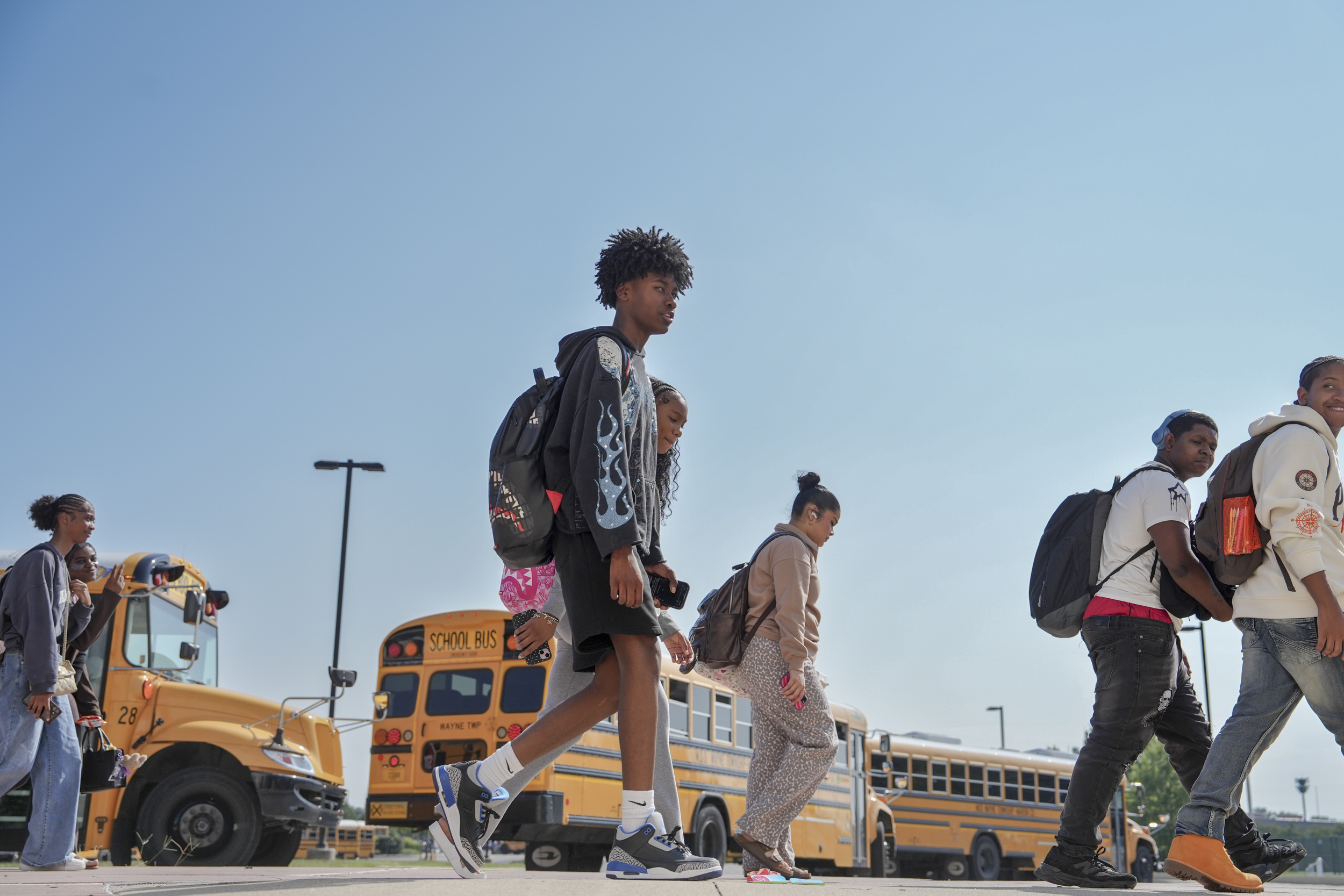
Indianapolis voters weigh heavy tax shifts for school funding
The landscape of public education funding in Marion County is shifting as voters respond to a wave of referendums on the November 3, 2026, ballot. Across five school districts, residents are deciding whether to approve specific tax rates intended to stabilize budgets facing the pressures of inflation and changing state property tax calculations, Mirror Indy reported.
These referendums represent a critical junction for local school administrators who argue that consistent funding is necessary to maintain basic operations. The money at stake is earmarked for essential services, including teacher pay, school bus transportation, facility upkeep, and utility costs. For many districts, the decision isn’t just about new spending, but about replacing expiring tax rates to prevent massive budget shortfalls.
A patchwork of tax rates and district outcomes
The results across the county show a significant divide in how voters are approaching these requests. While some districts are seeing strong support for maintaining or slightly adjusting their rates, others are facing rejection even when the proposed changes aim to lower the tax burden.

In Indianapolis, the Indianapolis Public Education Corp. sought a significant increase to support both Indianapolis Public Schools (IPS) and approximately 60 participating charter schools. This new proposal would nearly double the 2018 tax rate of 19.6 cents per $100 of assessed value, moving it to 37.2 cents. If successful, IPS would receive roughly $46.4 million annually, while the charter schools would split about $48.5 million. However, IPS administrators have cautioned that even with this influx of cash, the district still faces the necessity of cutting at least $20 million due to shifts in how the state directs property tax dollars.
The following table compares the primary funding requests and current trends reported across the five Marion County districts:
| School District | Proposed Tax Rate (per $100) | Primary Goal | Current Trend |
|---|---|---|---|
| Beech Grove | 57 cents | Replace 2020 referendum | Passing |
| Decatur Township | 26.9 cents | Reduce and replace 2019 referendum | Failing |
| Indianapolis | 37.2 cents | Replace 2018 rate | Passing |
| Washington Township | 25 cents | Renew 2020 referendum | Passing |
| Wayne Township | 70 cents | Replace 2019 referendum | Close |
Decatur Township presents a unique case where the referendum is trending toward failure despite the district seeking to “reduce and replace” its existing 28.9-cent rate with a lower 26.9-cent rate. Administrators estimated this move would secure up to $9 million annually for school security and maintenance, yet the proposal has struggled to gain traction with voters.
The economic friction of rising costs
The push for these referendums is driven by a tightening economic reality for school boards. Much like a household managing a grocery budget during a period of high inflation, school administrators say rising utility costs and the need for staff retention have made current funding levels unsustainable.
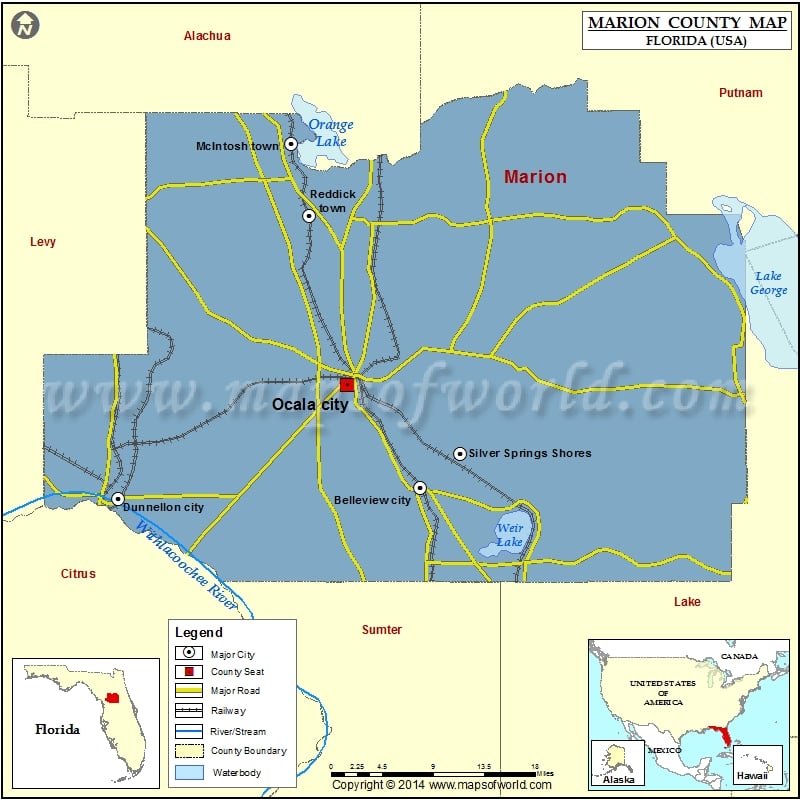
In Wayne Township, the debate is particularly sharp. The district is seeking to return to a 70-cent tax rate—the same rate property owners paid several years ago—to offset changes in state property tax calculations. While this is double the district’s current rate, administrators have stated they are only requesting the 70-cent figure as a maximum and would consider collecting less in future years. If passed, this could bring up to $41 million a year to the district to cover operational costs and teacher retention.
Conversely, in Washington Township and Beech Grove, the proposals are seen as more stable adjustments. Washington Township is seeking to renew its 2020 rate at 25 cents, a move that would bring in an estimated $24 million annually without significantly changing the tax burden for residents. Beech Grove is trending toward passing a 57-cent rate, which is only a 2-cent increase from its existing 55-cent rate, expected to provide $4.4 million a year for school safety and transportation.
The debate often pits the immediate need for school stability against the long-term concerns of property owners. Critics of higher rates often point to the cumulative effect of tax increases on residents, while school officials argue that the alternative—deep cuts to academic programs, such as those for English language learners and students with disabilities—is a far greater risk to the community’s future.
As the final votes are tallied, the outcome will determine whether Indianapolis schools can navigate the intersection of state-level tax reforms and local inflationary pressures.
Related reading

St. Louis Man Facing Federal Charges for Felon Firearm Possession
A St. Louis man faces federal charges after a Columbia shooting Iseah Christopher Jackson, a 23-year-old resident of...
Minnesota Immigrant Voters Turn Out in High Numbers to Protect Communities
Minneapolis immigrant communities turn out to vote following immigration enforcement surge Immigrant voters in Minneapolis are heading to...

Central Catholic Secures Top Seed in Tournament Bracket
Central Catholic and Brookline lead the MIAA Division 1 Volleyball seeds Central Catholic enters the 2026 MIAA Fall...

How to Dissolve an LLC or Corporation in Louisiana
To dissolve an LLC or corporation in Louisiana, owners must follow specific statutory procedures that include formal approval,...