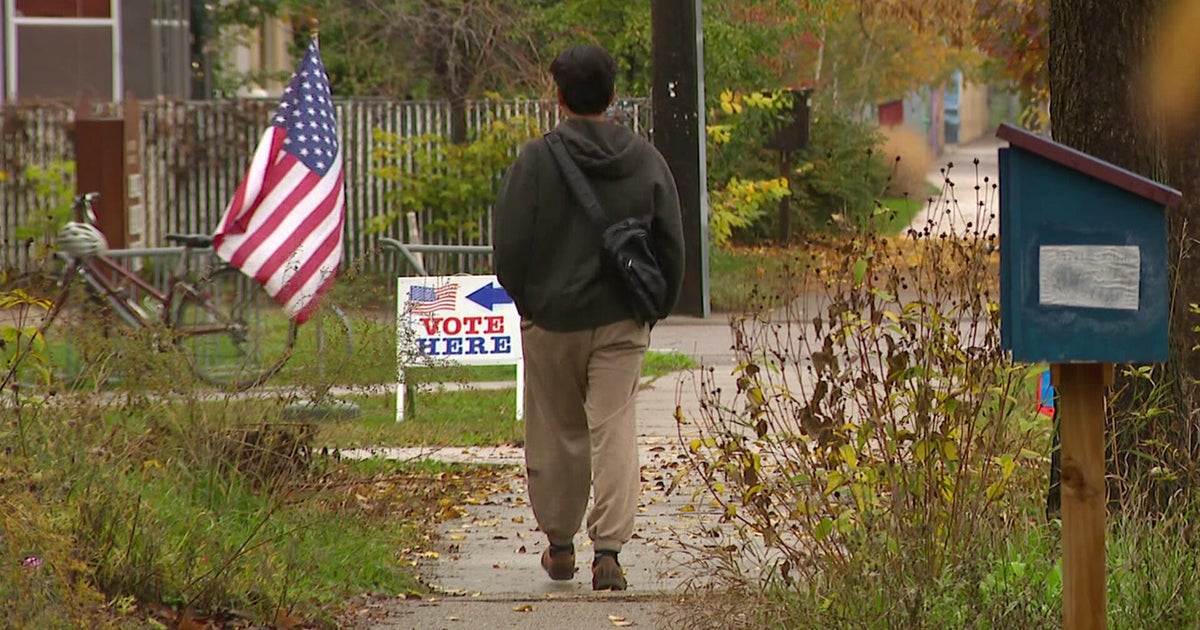
Minneapolis immigrant communities turn out to vote following immigration enforcement surge
Immigrant voters in Minneapolis are heading to the polls in significant numbers this Tuesday, even as the community continues to grapple with the aftermath of recent immigration law enforcement actions. In neighborhoods like Cedar-Riverside and Phillips, the atmosphere at polling stations reflects a heightened sense of civic duty driven by recent local instability.
According to a report from CBS News, the turnout in these areas has been notably strong. For many residents, the decision to vote is not merely a routine civic exercise but a direct response to the “ripple effects” of Operation Metro Surge, an immigration enforcement operation that took place earlier this year and left many local livelihoods disrupted.
The demographic reality of Minnesota underscores the weight of this turnout. One in eleven Minnesotans was born outside of the United States, and these residents have historically maintained a strong track record of participation in the electoral process.
Cedar-Riverside and Phillips neighborhoods face lingering tension
In the Cedar-Riverside neighborhood, which serves as a hub for thousands of residents of Somali heritage, the crowds at polling locations on Tuesday evening were substantial. The tension in the air is tied to the economic and social shifts caused by recent enforcement surges.
One Somali Minnesotan, speaking to WCCO, noted that the impact of recent immigration enforcement has been felt deeply in the daily lives of neighbors. “It has affected a lot of livelihoods and the way that people live their lives around here, and it’s still, we’re still feeling the ripple effects,” the voter said.
A few miles away in the Phillips community, 20-year-old Manny Vazquez expressed a similar sense of urgency. Vazquez, who was born and raised in the area, noted that his family ties stretch from Guadalajara and San Luis Potosí, Mexico, to the Turtle Mountain Reservation in North Dakota. Despite the community feeling “on edge” following the enforcement surge, Vazquez maintained that voting remains a necessity.
“I mean, voting in general should be of really big importance to the common person. I feel like despite whether my community was attacked, I still would have voted regardless.”
This sentiment—that voting is a tool for stability in the face of disruption—was echoed by Amino Abdi, another voter located three miles north of the initial reporting site. Abdi framed the act of voting as a requirement for those living in the country, stating, “You’re supposed to vote if you stay in the country because for your life, for progressing in the country, for our community.”
A generational push for political agency
For many in the Minneapolis immigrant community, the motivation to vote is rooted in a desire to ensure their voices are heard in a system where they have historically felt marginalized. The high turnout appears to be a conscious effort to prevent the political invisibility that often accompanies periods of intense law enforcement activity.
Mustafa Diriye, a voter at the Cedar-Riverside polling location, highlighted the distinction between those who view voting as a given and those who view it as a hard-won right. According to Diriye, the high turnout is a lesson being passed down to younger residents to ensure the community maintains its influence.
“We come from places you don’t have a voice, so we don’t take for granted. Always people who native born, they take for granted. We don’t, and this is the basis we teach our kids, generations to come: get up and vote.”
As the election results continue to process, the engagement seen in these specific Minneapolis precincts serves as a barometer for how immigrant communities respond to shifts in federal and local enforcement priorities. The push to the polls suggests that rather than retreating from public life during times of heightened scrutiny, these communities are leaning into the political process to protect their interests and their futures.
Worth a look
Tom Brady to Return to Gillette Stadium as Fox Broadcaster for Patriots-Packers Game
Tom Brady returns to Gillette Stadium as Fox broadcaster Tom Brady will return to Foxborough this Sunday to...

Jon Ossoff Wins Georgia Senate Reelection Over Republican Mike Collins
Jon Ossoff secures reelection to Georgia U.S. Senate seat Democratic incumbent Jon Ossoff won reelection to the U.S....

Tanner Hesterberg Wins Election to Kentucky’s 95th House District
Tanner Hesterberg wins Kentucky House District 95 seat Tanner Hesterberg, a former journalist and local attorney, won the...
Democrat Adam Hamilton Upsets Republican Roger Marshall to Flip Kansas Senate Seat
Adam Hamilton breaks 94-year Kansas Senate losing streak Adam Hamilton, a Methodist megachurch pastor, secured a startling upset...