
Kansas voters weigh gubernatorial race and local bond issues on Election Day
“In ’24, for the first time ever, more people voted early than on Election Day,” Sedgwick County Election Commissioner Laura Rainwater said, noting that the high volume of early participation could set a precedent for the 2026 midterms, KWCH reported.
As polls across the Sunflower State remain open until 7 p.m. Tuesday, Kansas voters are deciding more than just high-profile seats in Washington and Topeka. The 2026 midterm election features a crowded ballot that spans from the governor’s mansion to local school infrastructure and the expansion of data centers in small towns. While the race for governor is a primary focal point, the results of several local bond proposals and constitutional amendments could significantly alter the economic and civic landscape of specific Kansas communities.
The political stakes reach into the highest levels of state government. In the race to succeed Democratic Governor Laura Kelly, Sen. Cindy Holscher, D-Lenexa, has maintained an early lead over Senate President Ty Masterson, R-Andover), according to reporting from cjonline.com. With approximately 30% of precincts reporting as of 8:40 p.m., Holscher held 57% of the vote. If Holscher secures the win, it would mark the first time a single political party has won three consecutive gubernatorial elections since Kansas transitioned to four-year terms in 1974.
In the U.S. House of Representatives, Democrat Sharice Davids has been called the winner of her reelection bid in the 3rd Congressional District, according to both the Associated Press and CNN via cjonline.com. Davids, who defeated Republican Eric Jenkins and Libertarian Steven Hohe, stated that the results reflect a desire for “pragmatic leadership focused on fighting corruption, finding common ground, and lowering costs for hardworking families.”
Constitutional amendments and local economic shifts
Beyond the major political contests, Kansans are facing a specific question regarding the state’s voter qualification language. An amendment on the ballot proposes changing the Kansas Constitution to explicitly state that only U.S. citizens are eligible to vote. Although current law already restricts voting to citizens, some state legislators argue that the formal amendment is necessary to close potential legal loopholes and provide absolute clarity within the constitutional text.
The economic impact of the election is also being decided at the municipal level through various bond and tax measures. In Wichita, voters are considering a $615 million public school bond proposal split into two distinct parts. The first portion, totaling $407 million, is intended for the renovation and rebuilding of aging school facilities. A second $208 million question is contingent upon the passage of the first; if voters reject the initial $407 million, the second question cannot pass. While district leaders emphasize the necessity of these upgrades, the group “Improve Learning First” has voiced opposition, arguing that funds should be directed toward student performance rather than infrastructure.
Other communities are weighing the costs of safety and technology:
- Hutchinson: Voters are considering a $36 million bond proposal for a 12-year plan focused on HVAC, roof, and safety upgrades. This follows a failed $109 million bond attempt last year, though district leaders noted this new proposal would not raise the tax rate.
- Valley Center: A 1% sales tax is on the ballot to fund the Valley Center Fire Department through a mix of property and sales taxes. If the measure fails, the city would join the Sedgwick County Fire District One.
- El Dorado, Emporia, and Ottawa: Residents in these three towns are deciding whether to permit the development of data centers within their limits, a move that has sparked debate over land use and local power consumption.
Turnout trends and voter access
The shift toward early voting appears to be a continuing trend in Kansas. Data from the Kansas Secretary of State’s Office, as reported by KWCH, showed that as of Monday, approximately 470,000 early ballots had been cast. This includes over 392,000 in-person early votes and nearly 78,000 mail-in ballots returned out of roughly 108,000 sent out.
The convenience of early voting—which allows citizens to vote at any location rather than being restricted to an assigned precinct on Tuesday—has fundamentally changed the election day workflow. To assist those voting on Tuesday, Wichita Transit is providing free rides on all fixed-route buses and paratransit services to help residents reach their polling locations.
For those looking to verify their participation, the Secretary of State’s office provides a way to confirm that a ballot was counted. According to cjonline.com, voters can use the VoterView tool on the official state website by entering their name and date of birth to check their voting history.
As the night progresses, the Secretary of State race is also seeing significant movement, with Democrat Jennifer Day holding an 8-point lead over Republican Rep. Pat Proctor as more precincts report, per cjonline.com.
Related reading

Jon Ossoff Wins Georgia Senate Reelection Over Republican Mike Collins
Jon Ossoff secures reelection to Georgia U.S. Senate seat Democratic incumbent Jon Ossoff won reelection to the U.S....

Tanner Hesterberg Wins Election to Kentucky’s 95th House District
Tanner Hesterberg wins Kentucky House District 95 seat Tanner Hesterberg, a former journalist and local attorney, won the...
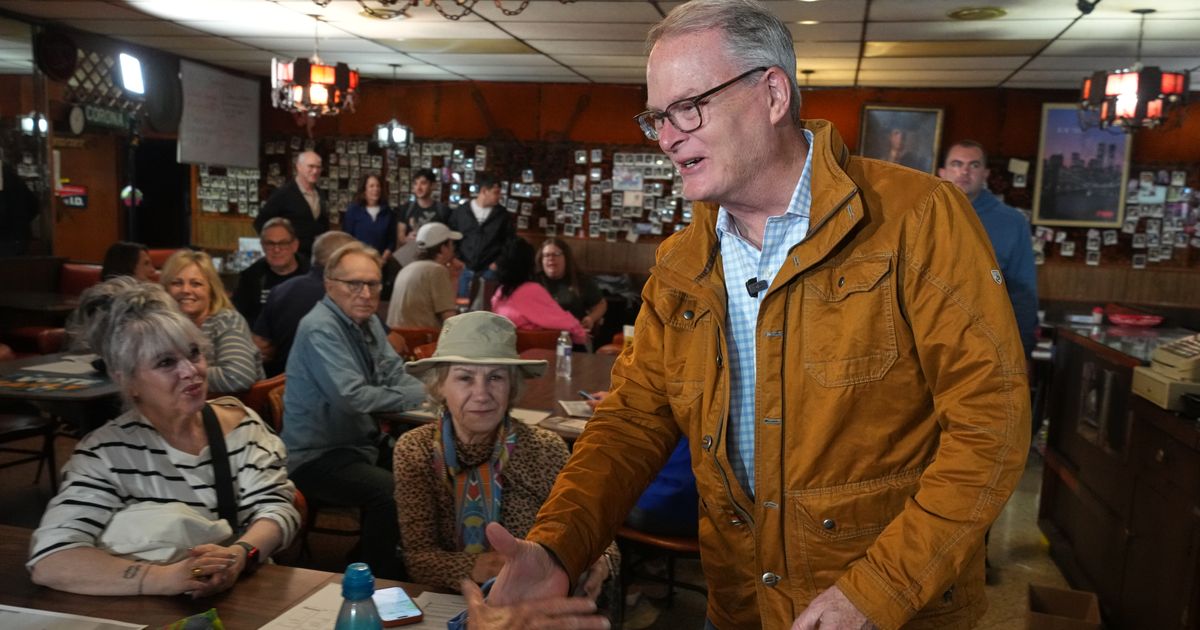
Democrat Adam Hamilton Upsets Republican Roger Marshall to Flip Kansas Senate Seat
Adam Hamilton breaks 94-year Kansas Senate losing streak Adam Hamilton, a Methodist megachurch pastor, secured a startling upset...
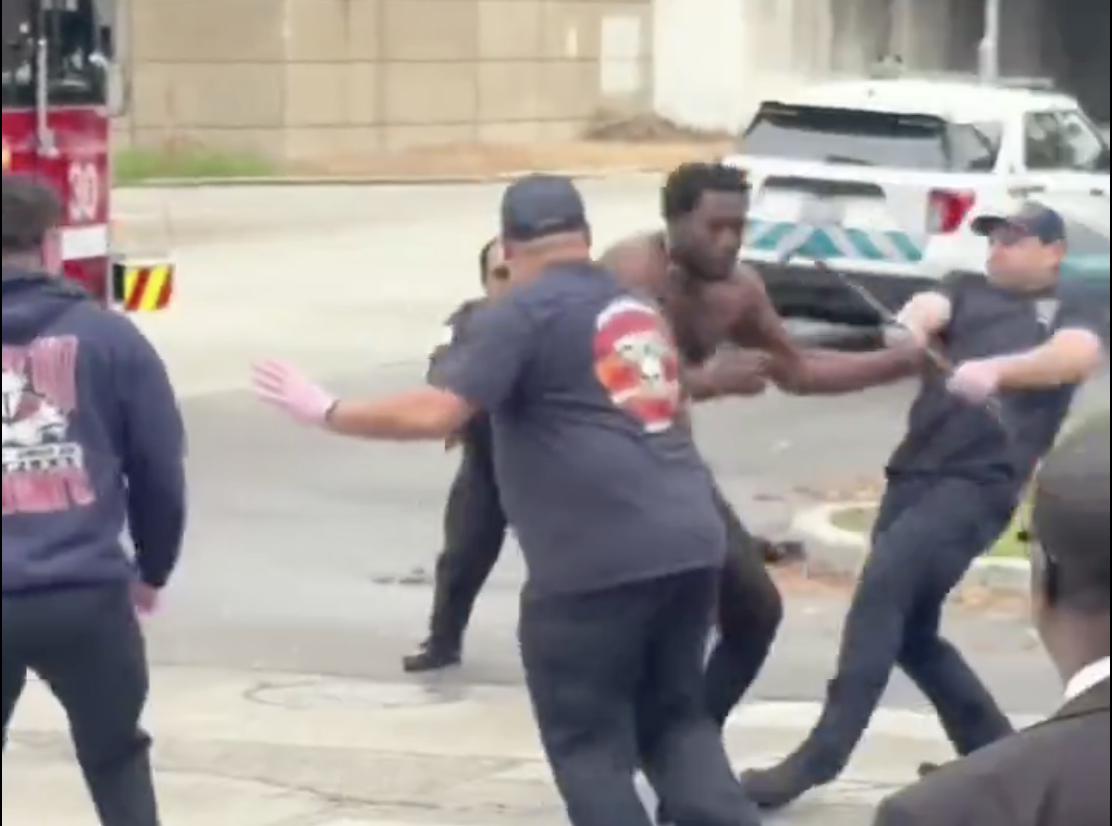
Chicago Firefighter Strikes Man With Halligan Bar During Confrontation
A Chicago firefighter is under investigation after a confrontation with a man in the Greater Grand Crossing neighborhood...