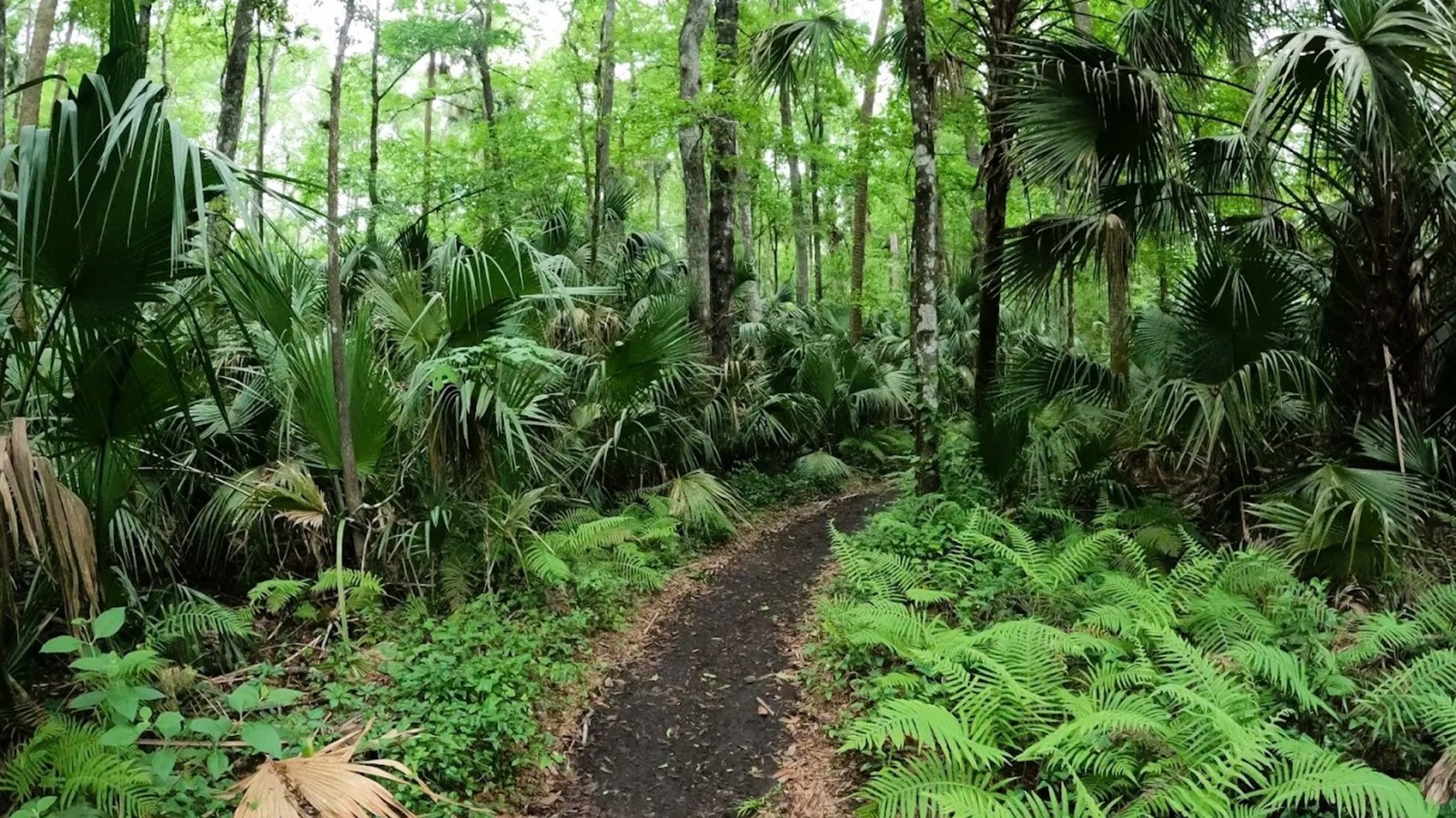
Travelers seeking a quiet nature escape between Gainesville and Orlando can make an easy detour off Interstate 75 to explore Marshall Swamp Wildlife Management Area.
The 6,000-acre sanctuary sits along the Ocklawaha River, offering hardwood swamps, wetland marshes, and wooden overlooks for hiking and spotting wildlife like gators and birds. Islands reported that nearby boat ramps provide water access for fishing and boating.
The area sits along what was intended to be the Cross Florida Barge Canal route. That impoundment project would have connected the Gulf of Mexico to the Atlantic Ocean to cut travel time for large vessels, but authorities halted it in the mid-to-late 1960s due to ecological concerns. The region is now protected under the Marjorie Harris Carr Cross Florida Greenway.

Visitors can explore the 5-mile Cross Florida Greenway: Marshall Swamp Trail on AllTrails, an out-and-back path featuring flat terrain and boardwalks built above the water. Travel.Yahoo.com said that sturdy shoes are recommended because the trail can grow wet and muddy.
"This is probably one of my favorite trails in the Marion County area," a recent hiker remarked, according to travel.yahoo.com. "Between the trees, the changing landscape, and the quiet of the trail, it’s just a great place to get some miles in."
As reported by travel.yahoo.com, the 74-mile-long Ocklawaha River is a northern-flowing central Florida waterway that serves as the principal tributary of the St. Johns River. The Ocklawaha River suffered severe 20th-century ecological damage from impoundment, fertilizer runoff, dredging, pollution, and rerouting.
Although authorities halted the Cross Florida Barge Canal project in the mid-to-late 1960s, the river remains blocked by the Rodman Dam, and conservationists continue working toward its full restoration.
Boaters and anglers can access the Ocklawaha River using a boat ramp located 2.5 miles north of the wildlife management area, or a second ramp situated 8 miles south. Fishers targeting largemouth bass or bluefish need a license, while Fish Brain users have noted catching FWC-protected alligator gar that are illegal to keep, travel.yahoo.com reported.

P2P Cheyenne Shootout Youth Wrestling Tournament Set for Dec. 5 in Wyoming
Youth wrestlers will hit the mats in Wyoming on Saturday, December 5, 2026, for the P2P – Cheyenne...
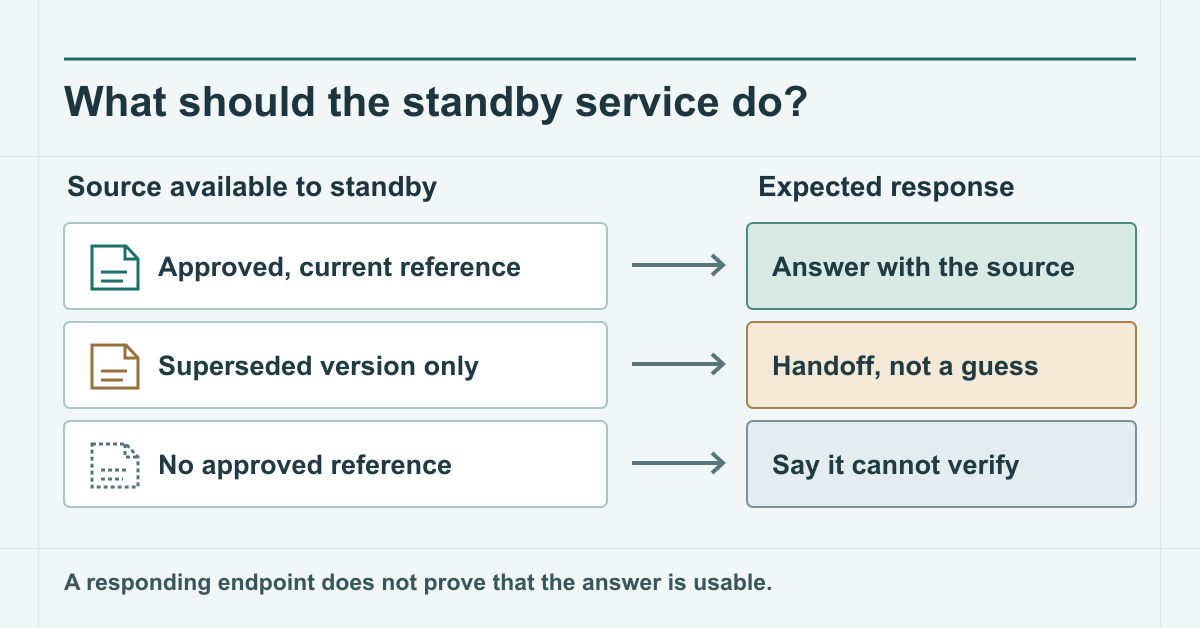
Percepture: Testing Standby AI Inference Requires Validating Answers, Not Just Endpoints
Organizations testing standby AI inference services can discover that functional endpoint responses often mask underlying failures, such as...

Puro.earth Issues 280,449 CO₂ Removal Certificates to ADM for Nebraska CCS Project
Helsinki-based carbon crediting platform Puro.earth issued 280,449 CO₂ Removal Certificates to agricultural processor ADM for its Columbus CCS...

Aubameyang Relishes Barcelona Reunion, Says He Likes High Defensive Lines
Pierre-Erik Aubameyang is relishing a sentimental yet high-stakes reunion with his former club Barcelona this weekend at the...