
Heading into the 2026 championships, Ukrainian tennis player Marta Kostyuk struggled to find her rhythm on grass, having not secured a win on the surface for two years. However, a pivot in her mental approach and guidance from her coach, Sandra Zaniewska, helped the 24-year-old regain confidence for this year’s tournament.
Kostyuk’s Struggles With Grass Court Transitions
For Marta Kostyuk, the transition from clay to grass has historically been a source of frustration. Despite entering the 2026 season on a high note—following a successful clay-court swing that included two titles and a semi-final appearance at the French Open—the 24-year-old faced significant doubt regarding her performance on grass. According to reporting by the BBC, Kostyuk had not won a single match on grass in the two years leading up to this year’s event.
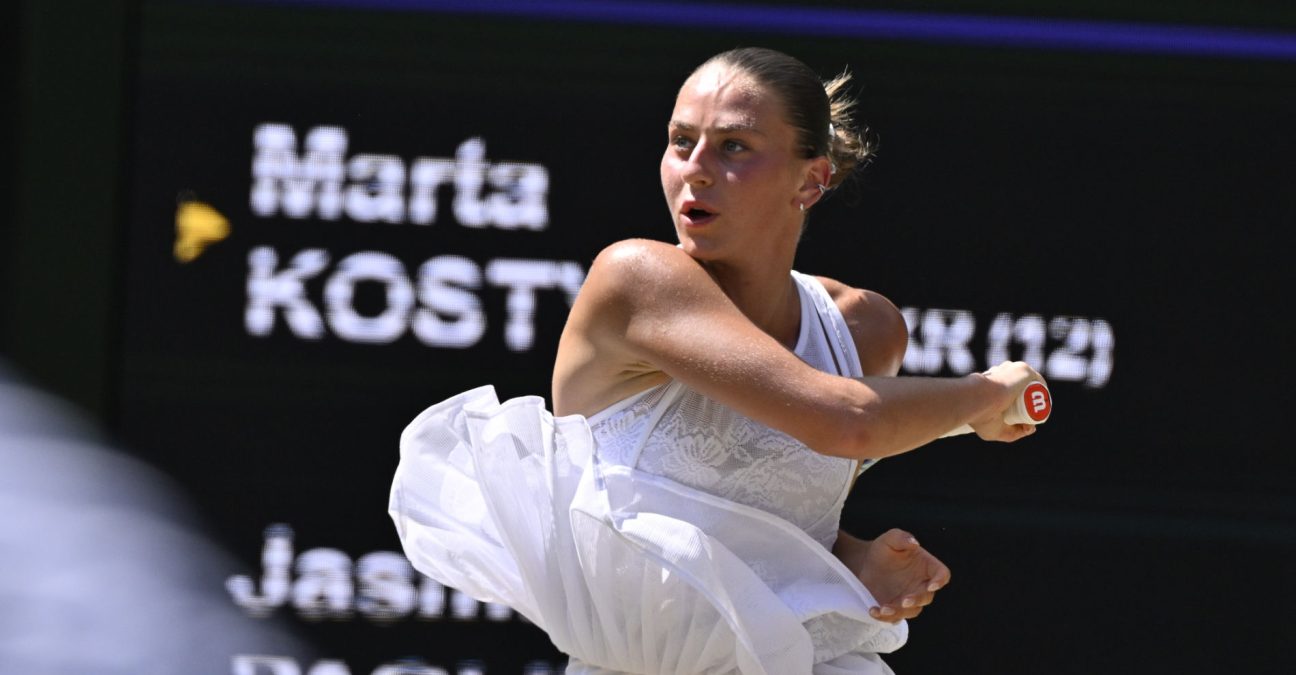
The challenge was as much psychological as it was technical. Kostyuk characterized her relationship with the surface as “complicated,” noting that she often felt her performance on grass was poor regardless of the tournament. The nature of grass court tennis often requires specific adjustments compared to the clay courts where Kostyuk found her spring success. Grass surfaces are known for lower, faster bounces, which force players to adapt their footwork, shorten their backswings, and often approach the net more aggressively than they might on the slower, higher-bouncing red clay.
“I feel like a lot of years that I played here, I played horrendous. I could not find my tennis on this surface, on any tournament. It was a really complicated relationship for me.”
Marta Kostyuk, via the BBC
The Role of Coaching in Mental Preparation
The path to finding her footing in London began after a period of rest. Rather than participating in warm-up tournaments, Kostyuk returned to Ukraine and spent time on holiday in Greece before arriving in the city three weeks ago. Even upon her arrival, her confidence remained low. She reportedly struggled during practice sets against high-profile competitors, including 44-year-old Serena Williams and Jessica Pegula.
In professional tennis, the transition period between the French Open and the grass-court season is notoriously brief, often leaving players with only a few weeks to adjust their movement patterns. For athletes who have spent months building rhythm on clay, the sudden shift to the speed of grass can disrupt the timing of their groundstrokes. Coaches like Sandra Zaniewska play a critical role during these windows, serving not only as technical advisors but as mental anchors when players face the inevitable frustrations of a surface that does not immediately reward their usual playing style.
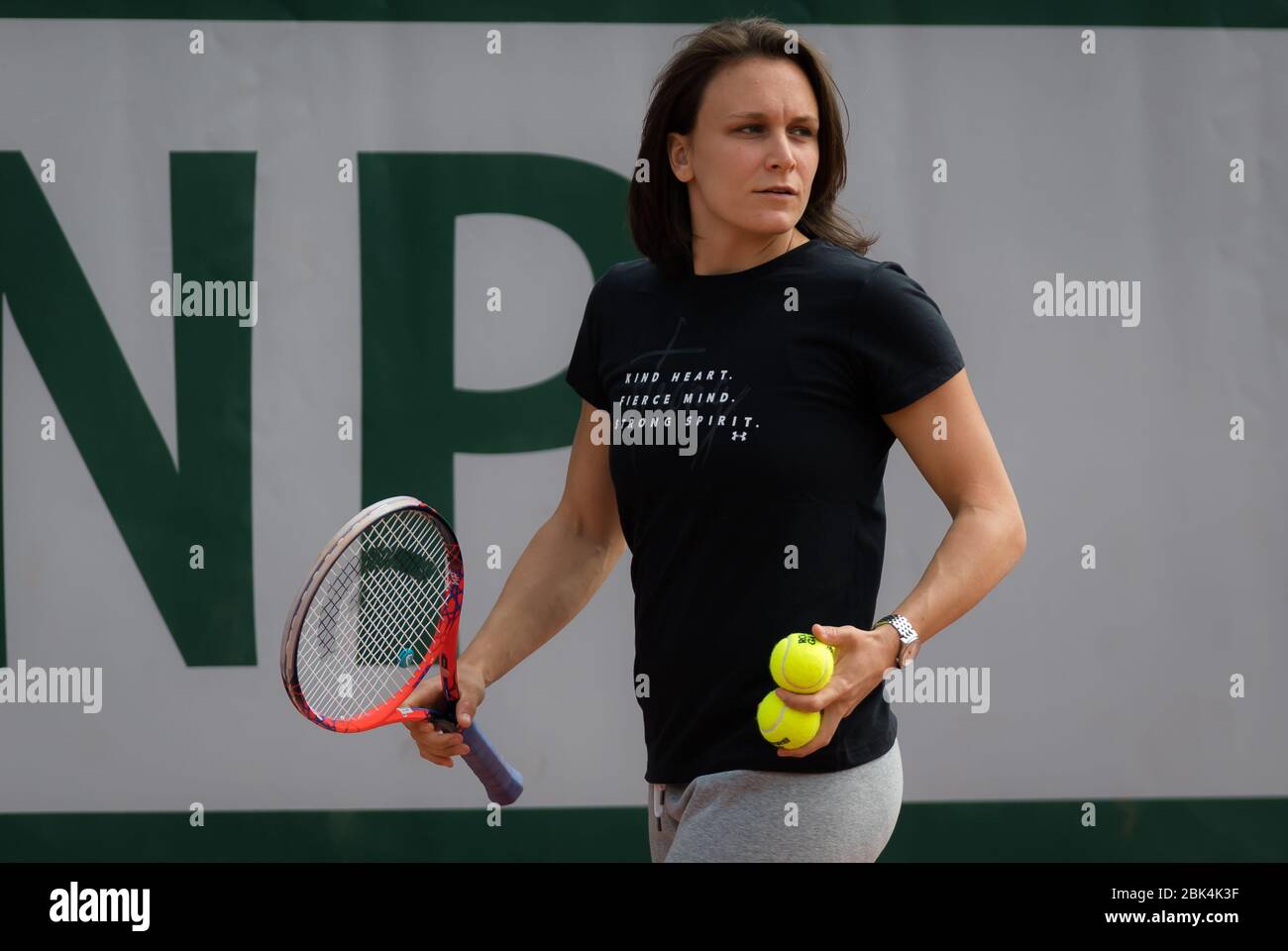
The turning point for the player came through a candid conversation with her coach, Sandra Zaniewska. Seeking professional validation for her ability to compete on the surface, Kostyuk asked for an honest assessment.
“I turned to Sandra and said: ‘Can you please tell me, honestly, right now, if you think that grass suits my game?’ She said: ‘100%’. That gave me something to hold onto.”
Marta Kostyuk, via the BBC
This reassurance from her coaching team provided the necessary mental stability for Kostyuk to approach the championships. While she had remained optimistic about transferring her clay-court form to the grass, it was the external confirmation of her potential that allowed her to move past her previous winless streak on the surface, as noted by the BBC. For players at the elite level of the sport, the ability to reset after a string of losses is often the deciding factor in tournament longevity, as confidence dictates the aggression and precision required to succeed on the professional circuit.
Find more reporting in our News section.
Worth a look

Abiy Ahmed Sworn In as Prime Minister With Focus on Red Sea Access
Prime Minister Abiy Ahmed was sworn into a new five-year term on Monday, October 5, 2026, following his...
Pope Leo XIV Rejects Death Penalty as Attack on Human Dignity
Pope Leo XIV has rejected the death penalty as an attack on human dignity, posting on X that...

SpaceX Launches 21 U.S. Space Force Satellites After Delay
Following a five-day delay from an earlier countdown abort, a SpaceX Falcon 9 rocket successfully launched 21 data...
Queen Camilla Recalls Secret Teenage Reading of Lady Chatterley’s Lover
Queen Camilla has revealed she secretly read Lady Chatterley's Lover under her pillow by torchlight as a teenager...